Skip to content
Choosing neoprene thickness looks simple on paper. A buyer asks for 2mm, 3mm, 4mm, or 5mm, the factory quotes the price, and the sample begins. But in real product development, thickness is never just a number. It changes how the bag feels in the hand, how much protection it offers, how well it keeps shape, how smoothly it can be stitched, how much it costs to ship, how the logo looks after use, and whether customers feel the product is worth buying again. A neoprene bag that is too thin may feel cheap and weak. A neoprene bag that is too thick may feel bulky, stiff, expensive, and harder to carry. The best thickness is the one that fits the product’s real use, not the one that sounds the most impressive.
The best neoprene bag thickness depends on the bag type and performance goal. For lightweight bottle sleeves, can coolers, promotional pouches, and simple travel bags, 2mm to 3mm neoprene usually offers enough flexibility and moisture resistance. For cosmetic bags, tablet sleeves, daily pouches, and soft tote bags, 3mm neoprene is often a balanced option because it provides softness, structure, and easier sewing control. For laptop sleeves, cooler bags, camera pouches, wine carriers, and products that need stronger cushioning or insulation, 4mm to 5mm neoprene is usually more suitable. Thicker neoprene can improve protection and premium hand feel, but it does not automatically mean better quality, better waterproofing, or better user experience.
This is where many custom projects go wrong. A brand may choose 5mm neoprene because it sounds stronger, only to discover that the zipper area becomes bulky, the bag is harder to fold, and the shipping carton volume increases. Another buyer may choose 2mm to reduce cost, only to find the finished laptop sleeve feels too soft to protect electronics. Thickness affects every part of a neoprene bag: material cost, sewing method, edge binding, logo placement, packaging, and final customer reviews.
For Szoneier, neoprene thickness selection is part of a larger custom manufacturing conversation. With more than 18 years of experience in fabric R&D, finished product manufacturing, and export customization, Szoneier helps customers develop bags and textile products using cotton fabric, canvas fabric, polyester fabric, nylon fabric, neoprene fabric, jute fabric, linen fabric, Oxford fabric, and mixed-material structures. When customers develop custom neoprene bags, Szoneier can support material selection, thickness recommendation, free design, fast sampling, low MOQ customization, logo application, private label packaging, quality inspection, and finished product production.
Think about two neoprene products sitting side by side: a soft bottle sleeve for a sports drink brand and a premium laptop sleeve for a travel accessories brand. Both may be made from neoprene. Both may use custom logos. Both may be water-resistant. But they should not use the same thickness, structure, stitching, zipper, or packaging. One needs flexibility and grip. The other needs cushioning and device protection. That is why understanding neoprene thickness is not a technical detail hidden in the factory. It is one of the first decisions that shapes the product’s success.
What Is Neoprene Thickness?

Neoprene thickness refers to the measured depth of the neoprene foam layer and laminated fabric structure used to make a bag, usually expressed in millimeters such as 2mm, 3mm, 4mm, or 5mm. In bag design, thickness affects cushioning, flexibility, insulation, shape, sewing difficulty, weight, cost, and perceived quality. However, thickness alone does not define performance. Foam density, lamination quality, surface fabric, stretch direction, seam construction, lining, and product structure are just as important.
When buyers talk about neoprene thickness, they are usually talking about the full sheet material used in production. This material is often made with a neoprene foam core laminated with textile surfaces. The outer surface may be polyester, nylon, spandex blend, printed fabric, textured fabric, or another customized textile layer. The inner side may be the same fabric, a softer backing, or a lining depending on the product.
In simple terms, neoprene thickness tells you how much “body” the material has. A 2mm neoprene sheet feels lighter, thinner, and easier to fold. A 3mm sheet feels more balanced and slightly more structured. A 4mm or 5mm sheet feels more cushioned, protective, and premium, but it also becomes heavier and harder to sew cleanly. For finished bags, that difference can be very noticeable.
What 2mm, 3mm, 4mm, and 5mm Mean in Real Products
A millimeter sounds small, but in bag manufacturing it can completely change the product. The difference between 2mm and 5mm is not only three millimeters. It changes how the material bends, how seams stack up, how zippers sit, how handles are reinforced, how the bag packs into cartons, and how customers judge quality when they touch it.
| Neoprene Thickness | General Feel | Main Strength | Main Limitation | Common Bag Applications |
|---|---|---|---|---|
| 2mm | Thin, light, soft, foldable | Flexible and cost-friendly | Limited cushioning and structure | Bottle sleeves, can coolers, promotional pouches |
| 3mm | Balanced, soft, stable | Good mix of flexibility and body | Not enough for high-impact protection | Cosmetic bags, pouches, small totes, travel organizers |
| 4mm | Cushioned, firmer, more protective | Better protection and insulation | More seam bulk and higher cost | Laptop sleeves, cooler bags, tablet sleeves |
| 5mm | Thick, padded, premium-feeling | Strong cushioning and insulation | Heavier, less foldable, harder to sew | Premium sleeves, wine carriers, camera pouches |
| 6mm+ | Very thick, protective, specialty-use | Heavy cushioning | Bulky and less suitable for ordinary bags | Specialty cases, protective inserts, industrial soft cases |
The right thickness depends on product purpose. A 5mm can cooler may feel excessive. A 2mm laptop sleeve may feel underbuilt. A 3mm cosmetic pouch may feel just right because it offers softness without becoming bulky.
Is Thickness the Same as Quality?
Thickness is not the same as quality. This is one of the most important points for buyers to understand. A thick neoprene sheet can still be poor quality if it has weak lamination, uneven density, bad surface fabric, poor recovery, or unstable color. A thinner neoprene sheet can feel excellent if it uses stable foam, clean lamination, suitable surface fabric, and precise sewing.
Quality comes from the whole material and manufacturing system. Thickness is only one specification.
| Quality Factor | Why It Matters | What Can Go Wrong |
|---|---|---|
| Foam Density | Affects cushioning, recovery, and structure | Bag feels weak, collapses, or loses shape |
| Lamination Strength | Keeps fabric surface bonded to foam | Peeling, bubbling, or wrinkling |
| Surface Fabric | Controls appearance, touch, printing, and durability | Pilling, color fading, poor logo result |
| Thickness Consistency | Keeps product uniform | Uneven edges and inconsistent shape |
| Stretch Direction | Affects fit and deformation | Bag stretches in the wrong direction |
| Sewing Quality | Controls seam strength and appearance | Wavy seams, weak edges, zipper distortion |
| Edge Binding | Protects cut edges and improves finish | Rough edges or bulky corners |
| Logo Method | Impacts brand appearance and durability | Cracking, distortion, poor adhesion |
For example, a 3mm neoprene laptop sleeve with high-density foam, soft inner lining, clean zipper protection, and strong stitching may feel more professional than a 5mm sleeve made with poor lamination and uneven seams. Buyers should not use thickness as the only quality shortcut.
How Foam Density Changes the Feel
Foam density is often less visible than thickness, but it has a huge effect on performance. Two 3mm neoprene samples can feel very different. One may feel soft and flexible. Another may feel firm and supportive. One may recover quickly after compression. Another may stay flattened or stretched.
Density affects how the material reacts when pressed, folded, stretched, or packed. For bags, density should match the product’s use.
| Density Type | Material Feel | Best Use | Possible Issue |
|---|---|---|---|
| Soft Density | Comfortable, flexible, easy to bend | Wearable pouches, cosmetic bags, soft sleeves | May lack structure |
| Medium Density | Balanced support and comfort | Most daily bags, pouches, totes | Usually the safest general option |
| Firm Density | More structured and protective | Laptop sleeves, camera pouches, premium cases | May feel less soft |
| Low Recovery Foam | Compresses easily | Low-cost or short-use products | May lose shape over time |
| High Recovery Foam | Returns shape better | Fitted sleeves, bottle holders, premium bags | May cost more |
This is why sample review matters. A buyer may specify “3mm neoprene,” but the factory still needs to confirm the feel, density, stretch, and intended application. Szoneier can help customers compare material swatches and choose the right balance before bulk production.
How Lamination Affects Thickness Performance
Most neoprene bag materials are laminated with fabric surfaces. The lamination process bonds the textile layer to the neoprene foam. This affects appearance, durability, water resistance, printing, and sewing behavior.
Weak lamination can make even a thick material perform poorly. The outer fabric may peel away from the foam, especially after bending, stitching, wet exposure, heat transfer printing, or repeated use. In custom bag production, lamination quality is especially important because the material will be cut, folded, sewn, branded, packed, and shipped.
| Lamination Issue | Result in Finished Bag | Customer Impact |
|---|---|---|
| Weak Bonding | Surface separates from foam | Product looks cheap or defective |
| Uneven Adhesive | Surface wrinkles or bubbles | Poor retail appearance |
| Poor Heat Resistance | Logo process affects surface | Branding defects |
| Weak Edge Bond | Cut edges separate | Durability complaints |
| Surface Shift | Panels distort during sewing | Uneven bag shape |
| Low Wet Stability | Moisture weakens bond | Shorter product life |
A professional neoprene bag should not only feel thick. It should feel stable. The surface should stay smooth, the edges should remain clean, and the product should maintain its shape after normal use.
How Surface Fabric Changes Thickness Perception
Surface fabric changes how thickness feels. A 3mm neoprene with a smooth, soft surface may feel more premium than a 4mm neoprene with a rough or cheap surface. A textured surface may make the bag feel stronger. A printed surface may make the product more retail-friendly. A softer inner surface may make a laptop sleeve feel safer.
| Surface Fabric | Feel and Appearance | Best Use |
|---|---|---|
| Polyester Jersey | Smooth, versatile, cost-effective | General pouches, sleeves, promotional bags |
| Nylon Jersey | Slightly stronger and more technical | Sports pouches, protective cases |
| Spandex Blend | Softer and more stretchable | Wearable pouches, flexible sleeves |
| Printed Fabric | Strong visual identity | Retail bags, gift bags, cosmetic bags |
| Textured Fabric | More premium or lifestyle look | Totes, fashion pouches |
| Soft Brushed Inner Fabric | Gentle protection | Laptop sleeves, camera pouches |
| Easy-Clean Lining | Practical interior | Lunch bags, cosmetic bags, toiletry bags |
Thickness does not work alone. The surface fabric decides how customers experience the product when they touch it, open it, carry it, and clean it.
Why Thickness Tolerance Matters
In production, thickness may have tolerance. A material specified as 3mm may not be exactly 3.000mm at every point. Slight variation is normal in foam materials, but excessive variation can affect cutting, sewing, fit, and final appearance.
For fitted products such as laptop sleeves, tablet sleeves, bottle holders, and camera pouches, thickness consistency matters because the internal space is limited. If the material is thicker than expected, the product may become too tight. If it is thinner than expected, the product may feel loose or weak.
| Product Type | Why Thickness Tolerance Matters |
|---|---|
| Laptop Sleeve | Internal fit must be accurate |
| Tablet Sleeve | Small size variation affects usability |
| Bottle Sleeve | Stretch fit depends on material thickness |
| Camera Pouch | Protection and fit must be balanced |
| Cosmetic Bag | Shape and zipper line can change |
| Cooler Bag | Structure and insulation expectations depend on thickness |
| Tote Bag | Body firmness and handle area may change |
| Travel Organizer | Foldability and packing volume depend on thickness |
For custom production, sample approval should include thickness feel, not only dimensions. A finished sample gives the buyer a more realistic sense of the final product than a material swatch alone.
Thickness as a Design Decision, Not a Factory Detail
Many buyers treat thickness as a factory-side technical item. In reality, it is a design decision. The thickness affects user experience, brand positioning, cost, packaging, and product claims.
| Design Question | How Thickness Influences the Answer |
|---|---|
| Should the bag feel premium? | 3mm–5mm may create better hand feel |
| Should the product fold easily? | 2mm–3mm is usually better |
| Should the bag protect electronics? | 4mm–5mm may be more suitable |
| Should the product be low-cost? | 2mm–3mm can help control budget |
| Should the bag stand better? | 3mm–5mm with structure may help |
| Should shipping volume stay low? | Thinner material packs more efficiently |
| Should the bag be used daily? | Thickness must balance durability and comfort |
| Should the logo stay flat? | Moderate thickness and stable panels help |
This is why Szoneier reviews thickness together with product category, design style, logo method, and final use.
Thickness Compared With Other Material Choices
Neoprene thickness should also be compared with alternative fabrics. Sometimes neoprene is the right material. Sometimes Oxford fabric, nylon, polyester, canvas, EVA, or coated materials may perform better.
| Product Need | Neoprene Thickness Solution | Alternative Material Option | When Alternative May Be Better |
|---|---|---|---|
| Soft laptop protection | 4mm–5mm neoprene | EVA or padded nylon | When stronger rigid protection is needed |
| Lightweight pouch | 2mm–3mm neoprene | Polyester or nylon | When cost and ultra-light weight matter more |
| Natural look tote | 3mm neoprene | Cotton canvas or linen | When organic texture is more important |
| Outdoor backpack | Neoprene panels only | Oxford or nylon | When abrasion and load strength matter more |
| Waterproof dry bag | Thick neoprene not enough | TPU or PVC coated fabric | When full waterproofing is required |
| Promotional sleeve | 2mm neoprene | Non-woven or polyester | When lowest cost is the priority |
| Premium cosmetic pouch | 3mm neoprene | PU, velvet, canvas | Depends on brand style |
| Cooler bag | 3mm–5mm neoprene | Oxford with insulated lining | When structure and capacity are more important |
This gives buyers a more realistic decision framework. Neoprene is excellent for flexible, cushioned, water-resistant soft products, but it should be chosen for the right reason.
Thickness and Product Positioning
A product sold as a premium private label accessory needs a different material feel than a simple promotional giveaway. Thickness helps communicate price level before the user reads any product description.
| Market Position | Suggested Thickness Strategy | Reason |
|---|---|---|
| Low-Cost Promotional | 2mm | Keeps cost low and still offers useful function |
| Practical Daily Use | 3mm | Balanced softness, structure, and affordability |
| Mid-Range Retail | 3mm–4mm | Better hand feel and product confidence |
| Premium Tech Accessory | 4mm–5mm | Stronger protective impression |
| Gift Product | 3mm–5mm | Feels more valuable in hand |
| Sports Event Item | 2mm–3mm | Lightweight and easy to carry |
| Food and Beverage Brand Item | 2mm–4mm | Depends on sleeve, cooler, or lunch bag function |
| Outdoor Accessory | 4mm–5mm or hybrid | Better structure and durability impression |
When the target price is low, a thinner material may be smart. When the product must feel premium, thickness and density should be upgraded carefully.
Common Mistakes When Specifying Thickness
Many sampling delays come from unclear or unrealistic thickness decisions. The most common mistake is choosing thickness before defining product use.
| Mistake | Result | Better Approach |
|---|---|---|
| Choosing 5mm because it sounds strong | Product becomes bulky or expensive | Match thickness to function |
| Choosing 2mm only to reduce cost | Product may feel weak | Test user expectation first |
| Ignoring density | Same thickness may feel different | Compare swatches |
| Ignoring seam bulk | Edges look thick and uneven | Review finished sample |
| Ignoring zipper compatibility | Zipper line becomes wavy | Test zipper with selected thickness |
| Ignoring logo behavior | Logo distorts after stretching | Test branding method |
| Ignoring packaging volume | Shipping cost increases | Review packing plan |
| Treating thickness as waterproofing | Bag may still leak | Improve seams and closures if needed |
Avoiding these mistakes can save sample rounds and reduce bulk production risk.
How Szoneier Helps Clarify Neoprene Thickness
Szoneier can help customers choose neoprene thickness by reviewing the product’s intended use, size, structure, protection needs, target market, logo requirements, packaging method, and expected quantity. Customers can provide reference products, drawings, photos, rough dimensions, or brand ideas. Szoneier can then recommend suitable thickness ranges and create samples for review.
This is especially helpful for customers developing custom bags with their own logo, private label packaging, or product line variations. A brand may use 2mm neoprene for bottle sleeves, 3mm for cosmetic bags, and 5mm for laptop sleeves within the same collection. Instead of forcing one thickness across all products, Szoneier can help build a smarter material plan.
Which Thickness Is Best for Bags?
There is no single best neoprene thickness for all bags. The best thickness depends on the bag’s purpose, size, contents, protection needs, flexibility, structure, cost target, and customer expectations. In general, 2mm neoprene is best for lightweight and flexible products, 3mm neoprene is the most balanced option for many daily pouches and soft bags, while 4mm to 5mm neoprene is better for protective sleeves, cooler bags, wine carriers, and premium products that need stronger cushioning or insulation.
A good thickness choice should answer one practical question: what should the user feel when they pick up the bag? If the product is a bottle sleeve, the user should feel grip, comfort, and light insulation. If it is a cosmetic pouch, the user should feel softness, flexibility, and enough body to protect small items. If it is a laptop sleeve, the user should feel confidence that the device is cushioned. If it is a cooler bag, the user should feel insulation, structure, and carrying reliability.
For custom manufacturing, thickness should not be selected from a chart alone. A chart can narrow the decision, but a sample confirms whether the material works in real life. This is why Szoneier supports fast sampling and material consultation. Buyers can compare thickness options before finalizing mass production, which helps avoid products that are too flimsy, too bulky, or too expensive.
2mm Neoprene: Best for Lightweight and Flexible Bags
2mm neoprene is a good choice when the product needs to stay light, soft, flexible, and cost-effective. It is commonly used for bottle sleeves, can coolers, simple promotional pouches, soft covers, gift bags, and lightweight travel accessories.
The biggest advantage of 2mm neoprene is ease of use. It bends easily, packs more compactly, and feels less bulky. It is also easier to sew than thick neoprene in many simple structures. For products that need logo printing and basic moisture resistance, 2mm can be a smart choice.
However, 2mm neoprene is not ideal when the bag needs strong protection, premium structure, or heavy insulation. It may feel too thin for laptop sleeves, camera pouches, or larger tote bags unless combined with lining or structural design.
| Best Use for 2mm | Why It Works | When to Avoid |
|---|---|---|
| Can Coolers | Lightweight insulation and easy printing | Premium cooler performance |
| Bottle Sleeves | Stretch fit and condensation control | Heavy bottle protection |
| Simple Pouches | Soft, flexible, cost-friendly | Products needing strong structure |
| Event Giveaways | Practical and budget-friendly | Premium retail positioning |
| Small Gift Bags | Soft hand feel | Heavy contents |
| Travel Covers | Compact and foldable | Impact protection |
A 2mm neoprene product can still feel valuable if the design is clear, the logo is well applied, and the product solves a real daily need.
3mm Neoprene: Best Balanced Choice
3mm neoprene is often the best starting point for many custom bag projects because it balances softness, structure, flexibility, cost, and sewing control. It feels more substantial than 2mm but does not become as bulky as 5mm. It works well for cosmetic bags, tablet sleeves, daily pouches, small totes, bottle carriers, lunch pouches, sports accessories, and travel organizers.
For buyers who are unsure where to begin, 3mm is often a practical sample thickness. It gives enough body to feel like a real product, while still allowing good flexibility and efficient production.
| Best Use for 3mm | Why It Works | Design Note |
|---|---|---|
| Cosmetic Bags | Soft, protective, flexible | Add lining for easier cleaning |
| Daily Pouches | Good hand feel and structure | Works well with zippers |
| Small Tote Bags | Better body than 2mm | Reinforce handles |
| Tablet Sleeves | Light protection | Check fit carefully |
| Lunch Pouches | Basic insulation | Add easy-clean lining |
| Sports Pouches | Comfortable and flexible | Test seam strength |
| Travel Organizers | Compact but protective | Add compartments if needed |
| Bottle Carriers | More premium than 2mm | Control size accuracy |
3mm neoprene is not always the final answer, but it is often the most useful middle ground.
4mm Neoprene: Best for Stronger Cushioning Without Extreme Bulk
4mm neoprene offers stronger cushioning and structure than 3mm while remaining more manageable than 5mm or 6mm. It is suitable for laptop sleeves, tablet sleeves, cooler bags, camera pouches, wine carriers, and premium protective accessories.
For many protective products, 4mm can be a smart compromise. It gives users a stronger sense of protection without creating excessive seam bulk. It can also improve insulation in cooler bags and bottle carriers.
| Best Use for 4mm | Why It Works | Watch Out For |
|---|---|---|
| Laptop Sleeves | Good cushioning with moderate bulk | Zipper and fit must be accurate |
| Tablet Sleeves | Protective but still slim | Avoid overly tight sizing |
| Cooler Bags | Better insulation | Lining still matters |
| Wine Carriers | Cushioning and bottle support | Reinforce handle and bottom |
| Camera Pouches | Soft impact protection | Closure must be secure |
| Premium Pouches | Stronger hand feel | Cost increases from 3mm |
4mm is often overlooked because buyers jump from 3mm to 5mm. But for many products, 4mm may provide the best balance of protection and usability.
5mm Neoprene: Best for Premium Protection and Insulation
5mm neoprene is best for products that need stronger cushioning, insulation, and premium protective feel. It is commonly suitable for laptop sleeves, cooler bags, wine bottle carriers, camera pouches, and higher-end protective cases.
The advantage of 5mm is clear: users can feel the padding immediately. This can increase perceived value. For electronics, bottles, and insulated products, that protective feel can be a strong selling point.
The limitation is also clear: 5mm neoprene is heavier, bulkier, more expensive, and harder to sew cleanly. Edges, corners, zippers, and binding need careful design. If the product is too small, 5mm may feel awkward. If the product must fold flat, 5mm may reduce portability.
| Best Use for 5mm | Why It Works | Risk to Control |
|---|---|---|
| Premium Laptop Sleeves | Strong protective feel | Bulky zipper area |
| Cooler Bags | Better insulation | More material and shipping cost |
| Wine Carriers | Cushioning and gift value | Bottom strength |
| Camera Pouches | Impact protection | Internal fit accuracy |
| Specialty Cases | Soft padding | Sewing difficulty |
| High-Value Gift Products | Premium touch | Product may feel too heavy |
5mm is a powerful option when the product truly needs it. It should not be chosen only because “thicker sounds better.”
Is 3mm Enough for Most Bags?
3mm neoprene is enough for many soft bags, but not all. It is usually enough for cosmetic bags, light pouches, travel organizers, bottle carriers, tablet sleeves, and daily accessories. It may not be enough for premium laptop sleeves, camera pouches, or cooler bags that require stronger insulation.
| Product Requirement | Is 3mm Enough? | Recommendation |
|---|---|---|
| Cosmetic Storage | Yes | Add lining if cleaning matters |
| Basic Bottle Sleeve | Yes | 2mm–3mm both possible |
| Travel Pouch | Yes | Good balance |
| Tablet Sleeve | Usually | Fit and lining matter |
| Laptop Sleeve | Sometimes | 4mm–5mm better for protection |
| Cooler Bag | Sometimes | 4mm–5mm better for insulation |
| Wine Carrier | Sometimes | 3mm–5mm depending on bottle and design |
| Outdoor Pouch | Sometimes | Consider 4mm–5mm or hybrid material |
3mm works best when the bag needs flexibility and moderate protection. If customer confidence depends on strong cushioning, a thicker option may be better.
When Should Brands Choose 5mm?
Brands should choose 5mm neoprene when the product’s selling point depends on protection, insulation, premium touch, or stronger structure. This includes laptop sleeves, cooler bags, wine bottle carriers, and some high-value gift products.
5mm is less suitable when the product needs to be ultra-light, foldable, low-cost, or slim. It may also be less suitable for small cosmetic pouches or simple promotional bags.
| Choose 5mm When | Avoid 5mm When |
|---|---|
| The bag protects electronics | The product is a low-cost giveaway |
| The bag needs stronger insulation | The bag must fold very small |
| The product should feel premium | Shipping volume must stay very low |
| The bag carries bottles or fragile items | The item is very small |
| The brand wants a padded hand feel | The design has many small curves |
| The product price can support higher material cost | The product only needs basic moisture resistance |
The decision should be based on product value, not thickness alone.
Thickness Decision Matrix
A decision matrix can help buyers choose faster.
| Product Goal | Recommended Thickness | Why |
|---|---|---|
| Lowest cost with useful function | 2mm | Controls material cost |
| Lightweight and foldable | 2mm–3mm | Easier to pack and carry |
| Balanced daily use | 3mm | Good all-purpose choice |
| Better structure | 3mm–4mm | More body and stability |
| Electronics protection | 4mm–5mm | Better cushioning |
| Cooler performance | 4mm–5mm | Better insulation |
| Premium hand feel | 4mm–5mm | Stronger perceived value |
| Specialty protection | 5mm+ | For selected protective products |
This matrix gives a starting point, but sample testing should confirm the final choice.
Thickness and User Psychology
Customers judge product value through touch. A thicker neoprene bag often feels more protective and valuable, but only if it remains comfortable and well made. If it feels too bulky, users may see it as inconvenient.
| User Reaction | Likely Thickness Cause | Product Impact |
|---|---|---|
| “This feels too flimsy.” | Too thin or low density | Lower perceived value |
| “This feels nicely padded.” | Balanced thickness and density | Higher trust |
| “This feels bulky.” | Too thick for product size | Lower usability |
| “This feels premium.” | Good thickness, clean surface, strong finishing | Better brand impression |
| “This is hard to zip.” | Thickness and structure mismatch | Poor daily experience |
| “This protects my item.” | Proper thickness and fit | Strong customer satisfaction |
Thickness should support confidence, not create inconvenience.
Thickness by Product Size
Product size changes the ideal thickness. A small pouch made from thick neoprene may feel awkward. A large tote made from thin neoprene may feel weak.
| Product Size | Recommended Thickness Approach | Reason |
|---|---|---|
| Very Small | 2mm | Avoid bulky seams |
| Small | 2mm–3mm | Flexible and practical |
| Medium | 3mm–4mm | Better body |
| Large | 3mm–5mm | Structure and strength matter |
| Flat Protective | 4mm–5mm | Cushioning matters |
| Tall Bottle Shape | 2mm–5mm depending on product | Fit and support must balance |
| Foldable Product | 2mm–3mm | Reduces packing volume |
| Premium Protective Case | 4mm–5mm+ | Supports value and protection |
This helps avoid using one thickness across every product category.
Thickness and Design Style
A minimalist laptop sleeve, a colorful beach tote, and a soft cosmetic pouch may all use neoprene, but thickness should support their style.
| Design Style | Thickness Direction | Reason |
|---|---|---|
| Minimal Tech | 4mm–5mm | Clean protective confidence |
| Beauty and Lifestyle | 2mm–3mm | Soft, elegant, flexible |
| Sporty | 2mm–4mm | Comfort and movement |
| Beach and Resort | 3mm–5mm | Body, splash-friendly feel |
| Promotional | 2mm–3mm | Cost and logo visibility |
| Outdoor Utility | 4mm–5mm or hybrid | Stronger structure |
| Gift Product | 3mm–5mm | Better hand feel |
| Travel Organizer | 2mm–3mm | Compact and lightweight |
Design style should be part of material planning. A bag should feel like it belongs in its market.
Thickness and Production Risk
Some thickness choices create higher production risk. Thick neoprene can create wavy seams, bulky corners, and difficult zippers. Thin neoprene can shift during sewing and feel less structured.
| Thickness | Production Risk | How to Control It |
|---|---|---|
| 2mm | Shifting and weak structure | Good pattern and tension control |
| 3mm | Moderate risk | Suitable for many standard designs |
| 4mm | Edge bulk and zipper control | Adjust seam allowance and binding |
| 5mm | Bulky corners, higher sewing difficulty | Simplify structure and test sample |
| 6mm+ | Special handling | Use only for justified products |
Szoneier’s sampling process helps identify these risks before mass production.
How Szoneier Helps Choose the Best Thickness
Szoneier can recommend neoprene thickness based on product type, contents, target market, logo method, expected price, packaging, and delivery schedule. For example, a customer developing a cosmetic pouch may receive a 2mm and 3mm comparison. A laptop sleeve project may compare 4mm and 5mm. A cooler bag may require thickness testing together with lining and zipper structure. A bottle sleeve may focus on 2mm to 3mm for stretch and condensation control.
This product-by-product approach creates better results than choosing one thickness for everything. With Szoneier’s material R&D and finished product manufacturing capabilities, customers can develop neoprene bags that feel right, function properly, and support their brand’s long-term product value.
How Does Thickness Affect Protection?

Neoprene thickness affects protection by changing how much cushioning, compression resistance, and impact absorption the bag can provide. Thicker neoprene generally gives stronger padding and a more protective hand feel, which is why 4mm to 5mm neoprene is often used for laptop sleeves, camera pouches, cooler bags, wine carriers, and protective cases. However, protection is not decided by thickness alone. Foam density, fit accuracy, inner lining, seam structure, zipper placement, edge finishing, and how the bag is used all play a major role in real protective performance.
A common buyer mistake is thinking, “If I choose thicker neoprene, the bag will automatically protect better.” In many cases, thicker material does improve cushioning. But if the product is poorly sized, has weak seams, uses a rough zipper near the contents, or lacks a soft inner surface, the final bag may still fail. A 5mm laptop sleeve that is too loose may allow the device to move inside. A 3mm sleeve with precise fit, soft lining, and clean zipper protection may feel safer in daily use than a thicker but poorly designed sample.
Protection should be understood as a system. Thickness provides the cushion. Density controls rebound. Pattern design controls fit. Lining protects the surface of the item. Zippers and seams determine whether the bag has weak points. For brands developing custom neoprene bags, this means the best protective product is created by matching thickness with product structure, not by choosing the thickest material blindly.
Why Thicker Neoprene Feels More Protective
Thicker neoprene gives users an immediate sense of protection because they can feel the padded foam layer. When a customer presses a 5mm neoprene laptop sleeve, the material feels more cushioned than 2mm or 3mm. This tactile feeling matters because protection is partly functional and partly psychological. Users want to feel that the bag can protect their device, bottle, camera accessory, or travel item.
This is especially important for products that protect valuable items. Electronics, glass bottles, small cameras, cosmetic bottles, and travel accessories all benefit from a material that feels soft and supportive. A thicker neoprene panel creates more distance between the external impact and the protected item inside.
| Thickness | Protection Feel | Best Protection Use | Limitation |
|---|---|---|---|
| 2mm | Light protection | Bottle sleeves, can coolers, simple pouches | Not enough for electronics or fragile items |
| 3mm | Moderate protection | Cosmetic bags, tablet sleeves, travel pouches | May be limited for laptops |
| 4mm | Stronger protection | Laptop sleeves, cooler bags, wine carriers | Requires better seam control |
| 5mm | High protective feel | Premium laptop sleeves, camera pouches | Bulk and cost increase |
| 6mm+ | Specialty cushioning | Industrial soft cases, protective inserts | Less suitable for ordinary bags |
The table shows why thickness needs to match product value. A 2mm neoprene bottle sleeve may be perfectly protective for condensation and grip. But a 2mm laptop sleeve may not create enough confidence for users carrying expensive electronics.
Cushioning and Impact Absorption
Neoprene protects mainly by cushioning. Its foam structure compresses slightly under pressure, reducing direct impact. This is useful for small bumps, scratches, light drops, packing pressure, and everyday handling. It should not be confused with hard-case protection. A neoprene bag is not a rigid shell. It is soft protection.
For laptop sleeves, thickness helps reduce contact impact when the sleeve is placed inside a backpack or on a desk. For wine carriers, it helps reduce bottle-to-surface contact. For cosmetic bags, it protects bottles and compact cases from scratches or minor bumps inside luggage. For camera accessory pouches, it provides soft separation and padding.
| Product Scenario | Protection Need | Suitable Thickness Direction |
|---|---|---|
| Laptop inside backpack | Scratch and light impact protection | 4mm–5mm |
| Wine bottle gift carrier | Bottle cushioning and grip | 3mm–5mm |
| Cosmetic bottles in suitcase | Soft separation and pressure reduction | 2mm–3mm |
| Camera accessory pouch | Better impact cushioning | 4mm–5mm |
| Bottle sleeve for daily use | Grip and condensation control | 2mm–3mm |
| Tablet sleeve | Slim protection | 3mm–4mm |
| Cooler bag | Insulation and soft protection | 3mm–5mm |
| Tool accessory pouch | Cushioning plus durability | 4mm–5mm or hybrid material |
The more fragile or valuable the contents are, the more important it is to combine thickness with fit and lining.
Fit Accuracy Is Part of Protection
A protective neoprene bag should fit the item properly. If the bag is too loose, the item moves inside, reducing protection. If it is too tight, the user may struggle to insert or remove the item, and seams may stretch too much. Thickness affects internal dimensions, so fit must be calculated carefully.
For example, a laptop sleeve made from 5mm neoprene needs a different pattern allowance than one made from 3mm neoprene. The thicker material takes up more internal space. If the factory uses the same finished dimensions without adjusting for thickness, the sleeve may become too tight. This is a common development problem.
| Fit Issue | Cause | Result | Better Approach |
|---|---|---|---|
| Too Loose | Oversized pattern or low-density material | Item shifts inside | Measure target item and adjust tolerance |
| Too Tight | Thickness not calculated correctly | Difficult insertion, seam stress | Add correct allowance |
| Poor Corner Fit | Wrong pattern shape | Device corners press into seams | Use accurate radius and seam allowance |
| Zipper Scratches Item | Closure too close to contents | Surface damage risk | Add zipper guard or lining |
| Bag Bulges | Wrong thickness or capacity | Poor appearance | Test with real contents |
| Uneven Fit | Material stretch direction ignored | Distorted shape | Cut panels correctly |
A well-fitted 4mm neoprene sleeve may outperform a poorly fitted 5mm sleeve. Fit is not decoration. It is protection.
Inner Lining Improves Protection
For protective neoprene bags, the inner surface matters. A laptop sleeve should not only cushion the laptop; it should also avoid scratching the surface. A camera pouch should protect lenses or accessories from rubbing. A cosmetic bag may need a lining that prevents bottles from staining the neoprene interior. A cooler bag may need an insulated or easy-clean lining.
Lining adds another layer of function beyond thickness. It can improve softness, cleaning, insulation, and perceived quality.
| Lining Type | Protection Benefit | Best Use |
|---|---|---|
| Soft Brushed Lining | Prevents scratches | Laptop sleeves, tablet sleeves, camera pouches |
| Polyester Lining | Cleaner interior and better structure | Travel pouches, cosmetic bags |
| PEVA Lining | Easier cleaning and moisture control | Lunch bags, cosmetic bags, toiletry bags |
| Foil Lining | Better insulation | Cooler bags, food bags |
| Mesh Lining | Organization and separation | Tech organizers, sports pouches |
| No Lining | Lower cost and simpler structure | Bottle sleeves, can coolers, basic pouches |
A premium protective product often needs both suitable thickness and suitable lining. Thickness cushions; lining finishes the user experience.
Protection Against Water and Moisture
Neoprene thickness can support water resistance, but it does not make the bag fully waterproof. Thicker neoprene may feel more protective and may provide more material body, but seams, zippers, openings, and stitching still affect water protection. For laptop sleeves, outdoor pouches, and cooler bags, water protection should be designed separately.
| Water Protection Factor | Related to Thickness? | More Important Factor |
|---|---|---|
| Surface splash resistance | Partly | Surface fabric and lamination |
| Rain protection | Slightly | Zipper and seam design |
| Internal leak control | No | Lining and seam construction |
| Condensation control | Yes, partly | Fit and material surface |
| Waterproof claim | No | Sealed construction and testing |
| Moisture handling | Partly | Full product design |
This is important for product descriptions. A 5mm neoprene sleeve should not be marketed as fully waterproof just because it is thick. It may be water-resistant, but finished construction must support stronger claims.
Protection Against Shape Deformation
Neoprene also protects the product’s own shape. Thicker neoprene can help a bag look more structured and less collapsed. This is useful for tote bags, cooler bags, lunch bags, and retail pouches that need to look attractive in photos or on shelves.
However, too much thickness can create bulky corners and stiff edges. The goal is to achieve enough body without making the bag awkward.
| Bag Type | Shape Protection Need | Thickness Direction |
|---|---|---|
| Cosmetic Bag | Should not collapse too much | 2mm–3mm |
| Lunch Bag | Should hold structure when filled | 3mm–5mm |
| Cooler Bag | Needs body and insulation | 4mm–5mm |
| Tote Bag | Needs soft structure | 3mm–5mm |
| Laptop Sleeve | Needs flat protective shape | 4mm–5mm |
| Travel Pouch | Needs flexibility | 2mm–3mm |
| Wine Carrier | Needs vertical support | 3mm–5mm |
| Camera Pouch | Needs protective shape | 4mm–5mm |
For larger bags, thickness often needs to work with bottom support, binding, handle reinforcement, and lining.
Protection Is a Balance Between Softness and Resistance
A protective bag needs both softness and resistance. If the neoprene is too soft, it may collapse or compress too easily. If it is too firm, it may feel stiff and uncomfortable. Thickness and density together control this balance.
| Material Behavior | User Feeling | Product Risk |
|---|---|---|
| Thin and soft | Flexible, lightweight | Weak protection |
| Thin and firm | Slim but stable | May feel less cushioned |
| Medium and soft | Comfortable and flexible | Good for pouches |
| Medium and firm | Balanced protection | Good for sleeves and totes |
| Thick and soft | Cushioned but bulky | May compress too much |
| Thick and firm | Strong protective feel | May feel stiff or heavy |
For protective products, customers should request sample comparison instead of relying only on a thickness number.
Protection by Product Value
The value of the contents should influence thickness. A sleeve carrying a $1,000 laptop deserves more protection than a promotional can cooler. A wine carrier may need enough cushioning to protect glass. A cosmetic pouch may need moderate padding because bottles and compacts can break or scratch.
| Contents | Value/Risk Level | Recommended Protection Strategy |
|---|---|---|
| Drink Can | Low | 2mm–3mm for insulation and grip |
| Water Bottle | Low to medium | 2mm–3mm with good fit |
| Cosmetics | Medium | 2mm–3mm with lining |
| Tablet | Medium to high | 3mm–4mm with soft inner surface |
| Laptop | High | 4mm–5mm with zipper protection |
| Camera Accessories | High | 4mm–5mm with soft lining |
| Wine Bottle | Medium to high | 3mm–5mm with reinforced base |
| Food Containers | Medium | 3mm–5mm with easy-clean lining |
This table helps buyers avoid using the same thickness for products with very different risk levels.
Protection by User Environment
Where the bag is used also matters. A bag used indoors needs less protection than one used for commuting, gym, beach, travel, or outdoor activity.
| Use Environment | Risk | Thickness Recommendation |
|---|---|---|
| Office Desk | Low moisture, low impact | 3mm–4mm depending on product |
| Daily Commute | Bumps, rain, movement | 4mm–5mm for electronics |
| Gym | Sweat, movement, compression | 2mm–3mm for pouches, stronger seams |
| Beach | Splash, sand, wet towels | 3mm–5mm for totes |
| Travel | Compression, luggage impact | 3mm–5mm depending on contents |
| Outdoor Activity | Rain, abrasion, impact | 4mm–5mm or hybrid material |
| Retail Gift Use | Appearance and hand feel | 3mm–5mm |
| Food Delivery/Storage | Moisture and temperature | 3mm–5mm plus lining |
This shows why the same product type may need different thicknesses for different markets.
Protection and Seam Weak Points
The thicker the neoprene, the more attention seams require. Thick material gives better panel protection but can create bulky seam areas. If seams are poorly finished, they may become the weakest part of the bag.
| Seam Area | Protection Risk | Solution |
|---|---|---|
| Side Seam | Stress when filled | Proper stitch tension and allowance |
| Bottom Seam | Weight and surface contact | Reinforce or add base support |
| Zipper Seam | Water and scratch risk | Add zipper guard or flap |
| Handle Attachment | Load concentration | Reinforce with webbing or bartack |
| Curved Corners | Stitching difficulty | Smooth pattern and binding |
| Edge Binding | Bulk control | Match binding width to thickness |
A protective bag should not only have padded panels. It should have protected weak points.
Protection Testing Before Bulk Orders
Protection should be tested in realistic conditions. A sample should be filled, carried, zipped, compressed, and handled like the final user would use it.
| Test | What It Checks | Best For |
|---|---|---|
| Compression Test | Foam rebound and cushioning | Laptop sleeves, camera pouches |
| Drop Simulation | Light impact behavior | Protective sleeves |
| Fit Test | Item movement inside bag | Laptop sleeves, bottle holders |
| Filled Bag Test | Shape under real contents | Cooler bags, cosmetic bags |
| Handle Load Test | Carry strength | Totes, wine carriers |
| Zipper Scratch Test | Device surface safety | Laptop sleeves |
| Moisture Test | Water-resistant behavior | Cooler bags, travel pouches |
| Recovery Test | Shape after pressure | Travel and protective bags |
Even simple practical tests can reveal whether the chosen thickness is suitable.
How Szoneier Helps Build Protective Neoprene Bags
Szoneier can help customers build protective neoprene bags by evaluating thickness, density, lamination, lining, zipper placement, seam structure, handle reinforcement, and packaging. For a laptop sleeve, Szoneier may recommend 4mm to 5mm neoprene with soft lining and zipper guard. For a cosmetic bag, 2mm to 3mm with wipeable lining may be enough. For a cooler bag, 3mm to 5mm neoprene with insulated lining and reinforced handles may be more practical.
This approach helps customers avoid both overbuilding and underbuilding. The finished product should protect what it needs to protect without becoming unnecessarily heavy, bulky, or expensive.
How Does Thickness Affect Flexibility?
Neoprene thickness affects flexibility because thinner neoprene bends, folds, stretches, and compresses more easily, while thicker neoprene feels more cushioned, structured, and less foldable. For bags, this creates a direct trade-off: 2mm to 3mm neoprene is better for soft, flexible, lightweight products, while 4mm to 5mm neoprene is better for products that need stronger protection, insulation, and shape. The right thickness depends on whether the user needs flexibility, structure, or a balance of both.
Flexibility is not just about whether the material can bend. It affects how the bag opens, closes, packs, stores, folds, stretches around contents, fits inside luggage, and feels during daily use. A travel pouch needs to compress inside a suitcase. A bottle sleeve needs to stretch around the bottle. A cosmetic bag needs to expand slightly without losing shape. A laptop sleeve needs enough flexibility for use but enough firmness to protect the device. A cooler bag needs body and insulation, but still needs to be easy to carry.
A good neoprene bag should not feel like a block of foam. It should move with the user. But it should not feel like a thin cloth either, unless that is the purpose of the product. Thickness selection is about finding the correct balance between movement and support.
Why Thinner Neoprene Is More Flexible
Thinner neoprene bends more easily because there is less foam material resisting movement. This makes 2mm and 3mm neoprene suitable for products that need softness, foldability, stretch, and easy packing. It is also easier to sew into small curves, narrow sleeves, simple pouches, and lightweight promotional items.
| Thickness | Flexibility Level | Best Use |
|---|---|---|
| 2mm | Very high | Bottle sleeves, can coolers, simple pouches |
| 3mm | High | Cosmetic bags, travel pouches, sports pouches |
| 4mm | Medium | Laptop sleeves, cooler bags, structured pouches |
| 5mm | Lower | Protective sleeves, premium cases, wine carriers |
| 6mm+ | Low | Specialty protective products |
2mm neoprene is easy to bend and fold, but it may not hold shape well. 3mm gives a better balance. 4mm and 5mm provide more structure but reduce portability.
When Flexibility Matters Most
Flexibility matters most when the bag is used with changing contents, frequent movement, body contact, or travel packing. A gym pouch should not feel stiff. A toiletry pouch should fit into luggage. A bottle sleeve should stretch around slightly different bottle sizes. A cosmetic bag should adapt to irregularly shaped items.
| Product Type | Why Flexibility Matters | Suitable Thickness |
|---|---|---|
| Bottle Sleeve | Needs stretch fit | 2mm–3mm |
| Cosmetic Bag | Holds irregular items | 2mm–3mm |
| Travel Pouch | Compresses in luggage | 2mm–3mm |
| Sports Pouch | Moves with body | 2mm–3mm |
| Can Cooler | Needs easy grip | 2mm–3mm |
| Small Gift Pouch | Soft and foldable | 2mm–3mm |
| Tablet Sleeve | Needs moderate flexibility | 3mm–4mm |
| Lunch Bag | Needs flexibility plus body | 3mm–5mm |
For these products, too much thickness can reduce usability. A pouch that is technically protective but annoying to pack will not be used often.
When Structure Matters More Than Flexibility
Some bags need structure more than flexibility. Laptop sleeves, cooler bags, wine carriers, camera pouches, and larger totes need enough body to protect contents and maintain shape. For these products, a slightly thicker neoprene may be better.
| Product Type | Why Structure Matters | Suitable Thickness |
|---|---|---|
| Laptop Sleeve | Protects device and keeps flat shape | 4mm–5mm |
| Cooler Bag | Supports insulation and contents | 3mm–5mm |
| Wine Carrier | Holds bottle upright | 3mm–5mm |
| Camera Pouch | Protects delicate accessories | 4mm–5mm |
| Large Tote | Needs body and soft structure | 3mm–5mm |
| Lunch Bag | Should hold containers | 3mm–5mm |
| Premium Gift Bag | Should feel valuable | 3mm–5mm |
| Protective Case | Needs padding | 4mm–5mm+ |
For these categories, thin neoprene may make the product feel too soft or unreliable. But structure should still be comfortable. A laptop sleeve should not feel like a stiff board. A cooler bag should not feel awkward to carry.
Thickness and Stretch
Neoprene stretch changes with thickness, density, and surface fabric. In general, thinner neoprene stretches more easily. Thicker neoprene may still stretch, but it requires more force and has a stronger rebound feel. Surface fabric also affects stretch direction. Some laminated surfaces stretch more in one direction than another.
This matters for fitted products. A bottle sleeve should stretch around the bottle circumference. A phone pouch should stretch enough to hold the device securely. A laptop sleeve should stretch slightly but not become loose. A tote bag should not stretch too much under weight.
| Product | Desired Stretch Behavior | Thickness Direction |
|---|---|---|
| Bottle Sleeve | High stretch and recovery | 2mm–3mm |
| Phone Pouch | Comfortable stretch | 2mm–3mm |
| Cosmetic Bag | Moderate expansion | 2mm–3mm |
| Laptop Sleeve | Controlled stretch | 4mm–5mm |
| Tote Bag | Limited vertical stretch | 3mm–5mm |
| Wine Carrier | Secure grip and support | 3mm–5mm |
| Sports Pouch | Body-friendly stretch | 2mm–3mm |
| Cooler Bag | Moderate flexibility | 3mm–5mm |
Stretch direction should be reviewed during pattern cutting. If panels are cut without considering stretch, the final product may deform or fit poorly.
Thickness and Foldability
Foldability is important for travel pouches, promotional bags, gift packaging, and products that need compact storage. Thinner neoprene folds more easily and takes less space in cartons. Thicker neoprene may develop temporary creases or resist folding.
| Thickness | Foldability | Packaging Impact |
|---|---|---|
| 2mm | Very good | Easy to pack flat or folded |
| 3mm | Good | Suitable for many retail packages |
| 4mm | Moderate | Needs careful folding or flat packing |
| 5mm | Lower | May require more carton space |
| 6mm+ | Poor | Usually packed with shape protection |
For international orders, foldability also affects freight cost. A thick neoprene tote may look premium but take more carton volume. A 2mm or 3mm pouch may be much more efficient to ship.
Thickness and Comfort
Comfort matters for bags that are carried, worn, or handled frequently. Thicker neoprene can feel soft and padded, but it can also feel heavy or bulky. Thinner neoprene feels lighter and more flexible but may not feel premium enough.
| User Experience | Thin Neoprene | Thick Neoprene |
|---|---|---|
| Hand Feel | Soft and light | Padded and substantial |
| Carry Comfort | Better for small items | Better for protection but heavier |
| Body Contact | More flexible | May feel bulky |
| Packing | Easier | Takes more space |
| Protection Feeling | Lower | Higher |
| Premium Feeling | Depends on surface quality | Stronger if well made |
The goal is to match comfort to use. A running pouch should be thin and flexible. A laptop sleeve should feel cushioned and secure. A cosmetic pouch should feel soft and easy to pack.
Flexibility vs Protection Trade-Off
The core thickness decision is often a trade-off between flexibility and protection.
| Thickness Range | Flexibility | Protection | Best Balance For |
|---|---|---|---|
| 2mm | Very high | Low to medium | Bottle sleeves, can coolers, light pouches |
| 3mm | High | Medium | Cosmetic bags, travel pouches, small totes |
| 4mm | Medium | High | Laptop sleeves, lunch bags, cooler bags |
| 5mm | Lower | High | Premium sleeves, wine carriers, camera pouches |
| 6mm+ | Low | Very high | Specialty protective cases |
There is no perfect thickness for every product. The best choice depends on which side of the trade-off matters more.
How Flexibility Affects Logo Design
Flexible products stretch and bend more. This can affect logo printing, heat transfer, embroidery, and patches. A large logo placed on a highly flexible panel may distort when the bag is filled or stretched.
| Logo Method | Flexibility Concern | Better Practice |
|---|---|---|
| Screen Printing | Ink may crack if stretched too much | Use flexible ink and test filled sample |
| Heat Transfer | Edges may lift on curved areas | Place on stable panel |
| Embroidery | Can pull soft neoprene | Use backing and moderate stitch density |
| Woven Label | Less affected by stretch | Good for flexible pouches |
| Rubber Patch | Adds stiffness | Use on stable area |
| All-Over Print | Pattern may distort | Test with final structure |
For flexible neoprene bags, logo testing should be done on the finished sample, not only on flat material.
Flexibility and Seam Construction
Flexible neoprene creates movement at seams. If the stitch type, tension, or seam placement is wrong, seams may wave, pucker, or weaken.
| Seam Challenge | More Common With | Solution |
|---|---|---|
| Panel Shifting | Thin neoprene | Better cutting and sewing control |
| Wavy Zipper | Flexible panels | Stabilize zipper seam |
| Bulky Corners | Thick neoprene | Adjust pattern and binding |
| Seam Stretch | Sports pouches and bottle sleeves | Use suitable stitch and thread |
| Edge Curling | Thin edges | Binding or finishing |
| Stiff Seams | Thick material | Choose suitable seam structure |
This is why thickness and sewing method must be developed together.
Flexibility and User Scenarios
Different users value flexibility differently. A commuter may prefer a protective sleeve. A traveler may prefer a compressible pouch. A gym user may prefer a soft, body-friendly product.
| User Scenario | Flexibility Need | Thickness Direction |
|---|---|---|
| Commuting With Laptop | Medium | 4mm–5mm |
| Packing Toiletries | High | 2mm–3mm |
| Carrying Lunch | Medium | 3mm–5mm |
| Running With Phone | Very high | 2mm–3mm |
| Beach Travel | Medium | 3mm–5mm |
| Gift Packaging | Medium to high | 2mm–3mm |
| Carrying Wine Bottle | Medium | 3mm–5mm |
| Organizing Cables | High | 2mm–3mm |
The user’s lifestyle should guide thickness choice as much as the product category.
How to Avoid Overly Bulky Neoprene Bags
Bulk is a common problem when thickness is chosen without considering structure. A 5mm material may look good in a swatch but create bulky seams in a small pouch.
| Bulk Cause | Result | Prevention |
|---|---|---|
| Too-Thick Material | Product feels heavy | Choose thickness by function |
| Too Many Layers | Corners become bulky | Simplify structure |
| Wide Binding | Edges look oversized | Match binding to thickness |
| Large Zipper | Closure dominates design | Use suitable zipper size |
| Extra Lining | Less internal space | Choose lining carefully |
| Over-Reinforcement | Product feels stiff | Reinforce only stress points |
For premium products, clean construction often matters more than maximum thickness.
How Szoneier Balances Flexibility and Structure
Szoneier helps customers balance flexibility and structure by reviewing product size, use scenario, protection needs, branding method, and packaging. If a buyer needs a flexible travel pouch, Szoneier may recommend 2mm to 3mm neoprene. If the project is a laptop sleeve, 4mm to 5mm may be better. If the product is a tote bag, Szoneier may recommend 3mm to 5mm depending on size, handle design, and desired body.
This balance is one of the most important parts of custom neoprene manufacturing. The material must feel right in the user’s hand, perform correctly in real use, and stay practical for production, packaging, and shipping.
Which Thickness Fits Each Bag Type?
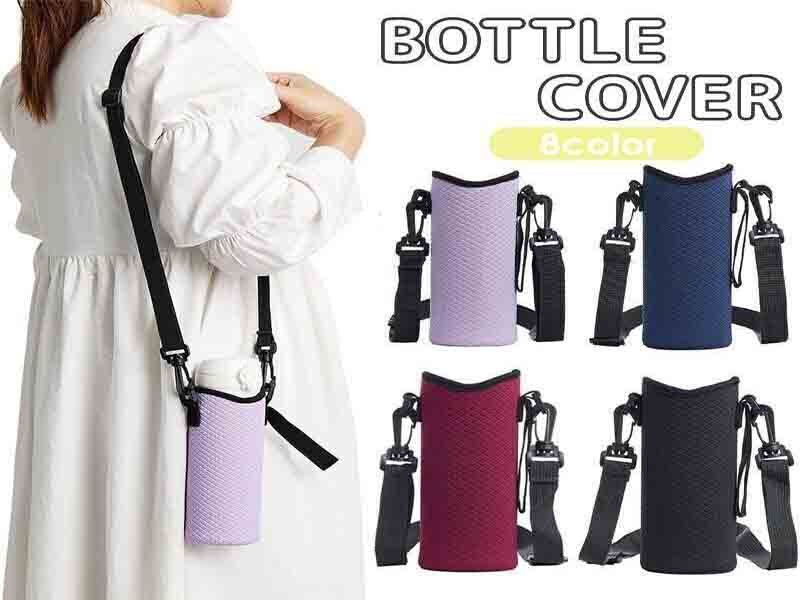
The right neoprene thickness depends on the bag type, the contents it carries, and the user experience the product needs to deliver. For bottle sleeves and can coolers, 2mm to 3mm usually works well because the product needs flexibility, grip, and light insulation. For cosmetic bags, travel pouches, and daily organizers, 2mm to 3mm gives a soft, lightweight structure. For tote bags, lunch bags, and cooler bags, 3mm to 5mm provides better body and insulation. For laptop sleeves, camera pouches, and premium protective bags, 4mm to 5mm is usually more suitable because users expect stronger cushioning and a safer feel.
A bag’s thickness should never be selected only by appearance. It should be selected by use. A thin neoprene bottle sleeve may feel perfect because it stretches smoothly around the bottle. The same thickness on a laptop sleeve may feel too weak. A 5mm neoprene laptop sleeve may feel premium and protective. The same 5mm material on a small cosmetic pouch may make the zipper bulky and the corners stiff. This is why custom neoprene bag development should begin with product function, not a random thickness number.
Szoneier supports many custom bag types using neoprene, cotton, canvas, polyester, nylon, Oxford fabric, jute, linen, and hybrid material structures. For neoprene bag projects, Szoneier can help customers match thickness with bag type, size, logo method, lining, zipper, handle reinforcement, packaging, and production cost. This saves buyers from using one material thickness across every product and ending up with uneven quality or poor user experience.
Thickness for Bottle Sleeves
Bottle sleeves usually need flexibility, stretch recovery, moisture resistance, grip, and light insulation. They do not usually need heavy impact protection. For most bottle sleeves, 2mm to 3mm neoprene is a practical choice. It stretches around the bottle, feels comfortable in the hand, controls condensation, and keeps the product lightweight.
A 2mm sleeve is often suitable for promotional drink sleeves, simple water bottle holders, and event merchandise. A 3mm sleeve feels more substantial and may be better for premium bottle holders, baby bottle sleeves, wine sleeves, or products that need more insulation.
| Bottle Sleeve Type | Suggested Thickness | Main Reason | Design Note |
|---|---|---|---|
| Can Cooler | 2mm | Lightweight and cost-effective | Good for logo printing |
| Water Bottle Sleeve | 2mm–3mm | Stretch fit and condensation control | Size accuracy is important |
| Baby Bottle Sleeve | 3mm | Better hand feel and light insulation | Easy cleaning matters |
| Wine Bottle Sleeve | 3mm–5mm | Cushioning and gift value | Bottom and handle strength matter |
| Sports Bottle Holder | 2mm–3mm | Flexible grip and comfort | Add handle if needed |
| Coffee Cup Sleeve | 2mm | Thin and easy to hold | Heat comfort and fit matter |
For bottle sleeves, the key is not maximum thickness. The key is fit. If the sleeve is too loose, it slips. If it is too tight, users struggle to insert the bottle. Thickness, stretch direction, and pattern size must work together.
Thickness for Can Coolers
Can coolers are one of the most cost-sensitive neoprene products. They need enough insulation to keep drinks comfortable in the hand, but they also need to remain flexible, printable, and affordable. Most can coolers use 2mm to 3mm neoprene.
2mm is often enough for basic promotional can coolers. 3mm can be used when a slightly more premium feel or better insulation is desired. Anything thicker may increase cost and make the product less convenient unless there is a specific premium purpose.
| Can Cooler Requirement | Recommended Thickness | Why |
|---|---|---|
| Low-cost promotional item | 2mm | Controls cost and supports printing |
| Better hand feel | 3mm | Feels more substantial |
| Stronger insulation | 3mm | Adds more material body |
| Foldable event giveaway | 2mm | Easier to pack and distribute |
| Premium drinkware accessory | 3mm | Higher perceived value |
| Custom all-over print | 2mm–3mm | Easier surface handling |
For can coolers, design, artwork, and logo clarity often matter more than increasing thickness. A clean print and accurate fit can make a simple 2mm product feel very effective.
Thickness for Cosmetic Bags
Cosmetic bags need softness, moderate cushioning, attractive appearance, and easy carrying. They often hold skincare bottles, makeup tools, compact mirrors, brushes, travel-size containers, and small accessories. For most neoprene cosmetic bags, 2mm to 3mm is suitable.
2mm works for soft, lightweight pouches. 3mm gives better structure and a more premium feel. If the cosmetic bag needs to stand upright or hold heavier bottles, 3mm is usually better. If the bag is part of a gift set and needs to fit inside packaging, 2mm to 3mm should be selected based on folding and presentation needs.
| Cosmetic Bag Type | Suggested Thickness | Main Benefit | Design Note |
|---|---|---|---|
| Flat Makeup Pouch | 2mm | Light and flexible | Easy to pack in handbags |
| Travel Cosmetic Bag | 2mm–3mm | Soft protection | Add lining for cleaning |
| Box-Shaped Cosmetic Bag | 3mm | Better structure | Zipper and corners need control |
| Premium Beauty Gift Pouch | 3mm | Better hand feel | Packaging should match positioning |
| Toiletry Pouch | 3mm | More stable body | Easy-clean lining recommended |
| Small Skincare Bag | 2mm–3mm | Flexible and soft | Color and logo quality matter |
A cosmetic bag should not feel like a protective case unless that is the design goal. Softness and beauty presentation are often more important than heavy padding.
Thickness for Travel Pouches
Travel pouches need to be compact, flexible, and easy to fit into luggage. They may hold cables, chargers, passports, toiletries, small electronics, skincare items, or personal accessories. For most travel pouches, 2mm to 3mm neoprene works well.
A travel pouch made from very thick neoprene may waste luggage space. A pouch that is too thin may not protect contents or hold shape. 3mm is often a good balance for travel organizers that need some protection but still need to compress.
| Travel Product | Suggested Thickness | Why |
|---|---|---|
| Cable Pouch | 2mm–3mm | Flexible and protective enough |
| Passport Sleeve | 2mm | Slim and easy to carry |
| Toiletry Pouch | 3mm | Better body and moisture resistance |
| Charger Organizer | 3mm | Light cushioning |
| Small Electronics Pouch | 3mm–4mm | More protection if needed |
| Packing Pouch | 2mm | Compressible and lightweight |
For travel products, buyers should test packing volume. A sample should be placed in a suitcase or backpack with real items inside. This reveals whether the thickness feels practical.
Thickness for Tote Bags
Neoprene tote bags need body, comfort, stretch control, and handle strength. They may be used for shopping, beach trips, gym, daily commuting, resort merchandise, or lifestyle retail. For most neoprene totes, 3mm to 5mm is suitable depending on size and positioning.
A small tote may work with 3mm. A larger tote may need 4mm or 5mm for better body. However, large bags also need reinforced handles because neoprene can stretch under load. Thickness alone cannot replace structural reinforcement.
| Tote Bag Type | Suggested Thickness | Main Reason | Important Detail |
|---|---|---|---|
| Small Lifestyle Tote | 3mm | Soft structure and light weight | Handle reinforcement needed |
| Beach Tote | 3mm–5mm | Body, splash resistance, comfort | Strong handles and colorfastness |
| Gym Tote | 3mm–4mm | Flexible capacity | Seam strength matters |
| Premium Retail Tote | 4mm–5mm | Better hand feel and shape | Packaging volume increases |
| Shopping Tote | 3mm | Practical and cost-balanced | Bottom support may help |
| Resort Tote | 4mm–5mm | Premium appearance | Logo and surface quality matter |
A neoprene tote should feel soft and substantial, not floppy or overly heavy. For larger totes, the bottom structure, handle type, and binding are just as important as thickness.
Thickness for Lunch Bags and Cooler Bags
Lunch bags and cooler bags need insulation, structure, easy cleaning, and carrying strength. Neoprene works well because it provides insulation and flexibility, but thickness must be matched with lining and closure design. For most lunch bags and cooler bags, 3mm to 5mm is suitable.
A simple lunch pouch may work with 3mm neoprene and easy-clean lining. A cooler tote may need 4mm to 5mm neoprene with insulated lining, zipper closure, and reinforced handles. If the product is expected to carry ice packs, drinks, or heavier containers, structure and seam strength become more important.
| Cooler Product | Suggested Thickness | Main Reason | Extra Design Need |
|---|---|---|---|
| Simple Lunch Pouch | 3mm | Flexible and light insulation | Easy-clean lining |
| Office Lunch Bag | 3mm–4mm | Better structure | Zipper and handle quality |
| Cooler Tote | 4mm–5mm | Stronger insulation and body | Reinforced handles |
| Wine Cooler Bag | 3mm–5mm | Cushioning and temperature support | Bottle fit and bottom support |
| Picnic Cooler | 4mm–5mm | Higher capacity support | Lining and closure matter |
| Food Delivery Pouch | 4mm–5mm or hybrid | Insulation and durability | May need coated fabric |
For cooler bags, thickness improves insulation, but it is not the only factor. Lining, zipper, closure, and shape strongly affect performance.
Thickness for Laptop Sleeves
Laptop sleeves need the strongest thickness consideration because users expect protection for valuable electronics. For most neoprene laptop sleeves, 4mm to 5mm is recommended. 3mm may work for light sleeves or tablet cases, but it may not provide enough protective confidence for premium laptop products.
A good laptop sleeve should combine thickness with accurate fit, soft lining, zipper protection, and clean seam construction. A thick sleeve with a poor zipper can still scratch the laptop. A thick sleeve that is too loose can allow the device to shift inside.
| Laptop Sleeve Type | Suggested Thickness | Main Reason | Design Note |
|---|---|---|---|
| Tablet Sleeve | 3mm–4mm | Slim protection | Soft lining recommended |
| Basic Laptop Sleeve | 4mm | Good protection balance | Accurate sizing required |
| Premium Laptop Sleeve | 5mm | Strong protective feel | Control zipper bulk |
| Zippered Tech Sleeve | 4mm–5mm | Cushioning and secure closure | Add zipper guard |
| Sleeve With Pocket | 4mm–5mm | Extra items add pressure | Avoid overfilling design |
| Travel Laptop Case | 5mm | Better cushioning | Packaging volume increases |
For tech products, the user’s first impression matters. A sleeve should feel secure as soon as the laptop slides in.
Thickness for Camera Pouches and Protective Cases
Camera pouches and protective cases often need 4mm to 5mm neoprene because they protect delicate items. The products may carry lenses, small cameras, accessories, chargers, or tools. These items may scratch or break if the pouch is too thin.
However, camera products also need internal organization, soft lining, and accurate sizing. A thick pouch without internal separation may still allow items to hit each other.
| Protective Product | Suggested Thickness | Why |
|---|---|---|
| Small Camera Pouch | 4mm | Soft impact protection |
| Lens Pouch | 4mm–5mm | Cushioning and snug fit |
| Accessory Organizer | 3mm–4mm | Balance of protection and flexibility |
| Premium Protective Case | 5mm | Stronger protective feel |
| Tool Pouch | 4mm–5mm or hybrid | Cushioning plus durability |
| Electronics Accessory Bag | 3mm–5mm | Depends on item value |
For protective cases, thickness should be tested with real contents. A product that looks padded may still fail if the internal fit is poor.
Bag Type Thickness Comparison Table
| Bag Type | Recommended Thickness | Flexibility | Protection | Cost Level | Key Risk |
|---|---|---|---|---|---|
| Can Cooler | 2mm–3mm | High | Low to medium | Low | Poor fit or weak print |
| Bottle Sleeve | 2mm–3mm | High | Medium | Low to medium | Loose fit |
| Cosmetic Bag | 2mm–3mm | High | Medium | Medium | Staining or weak zipper |
| Travel Pouch | 2mm–3mm | High | Medium | Medium | Too soft if overloaded |
| Tote Bag | 3mm–5mm | Medium | Medium | Medium to high | Handle stretch |
| Lunch Bag | 3mm–5mm | Medium | Medium to high | Medium to high | Lining or seam issues |
| Cooler Bag | 4mm–5mm | Medium | High | High | Bulky structure |
| Laptop Sleeve | 4mm–5mm | Medium | High | Medium to high | Poor fit or zipper scratch |
| Camera Pouch | 4mm–5mm | Medium | High | High | Lack of internal separation |
| Wine Carrier | 3mm–5mm | Medium | Medium to high | Medium to high | Weak bottom support |
This table gives buyers a faster starting point, but final thickness should still be confirmed through samples.
Thickness Selection by Customer Expectation
Customer expectation changes by product category. A bottle sleeve customer expects grip and condensation control. A laptop sleeve customer expects protection. A cosmetic bag customer expects beauty, softness, and cleaning convenience. A cooler bag customer expects insulation.
| Customer Expectation | Suitable Thickness Strategy |
|---|---|
| “I want it light and easy to carry.” | 2mm–3mm |
| “I want it to feel premium.” | 3mm–5mm depending on size |
| “I need it to protect electronics.” | 4mm–5mm |
| “I need it to hold food and drinks.” | 3mm–5mm plus lining |
| “I want a simple logo giveaway.” | 2mm–3mm |
| “I want it to stand better.” | 3mm–5mm plus structure |
| “I want it to fit in luggage.” | 2mm–3mm |
| “I want stronger cushioning.” | 4mm–5mm |
This is a customer-centered way to choose material. The final user’s expectation should guide the specification.
Thickness Selection by Logo Method
Logo method can also influence thickness choice. A thin flexible sleeve may work well for screen printing. A thicker laptop sleeve may support a woven label, rubber patch, or heat transfer. Embroidery can work, but stitch density and backing must be controlled.
| Logo Method | Better Thickness Range | Reason |
|---|---|---|
| Screen Printing | 2mm–4mm | Works well on flexible products |
| Heat Transfer | 2mm–5mm | Good detail, needs surface testing |
| Embroidery | 3mm–5mm | Needs enough body and backing |
| Woven Label | 2mm–5mm | Stable and low risk |
| Rubber Patch | 3mm–5mm | Better on structured products |
| All-Over Print | 2mm–3mm often easier | Flexible surface and lower seam bulk |
| Debossed Patch | 3mm–5mm | Premium appearance |
| Custom Zipper Pull | Any common thickness | Depends on product style |
A logo should be tested on the finished sample because stretching, filling, and sewing can change the final appearance.
Thickness Selection by Packaging Method
Packaging is often forgotten during thickness planning. Thick neoprene takes more carton space and may not fold cleanly. If the product needs retail packaging, thickness affects box size, shipping cost, and shelf presentation.
| Packaging Method | Thickness Consideration |
|---|---|
| Flat Polybag | Works best with 2mm–3mm |
| Folded Polybag | 2mm–3mm folds more easily |
| Paper Belly Band | 2mm–4mm depending on shape |
| Hang Tag Only | Any thickness, but display shape matters |
| Retail Box | 3mm–5mm can look premium but increases volume |
| Gift Box | Thickness should match box size |
| Bulk Carton Packing | Thicker products increase freight cost |
| Shape-Protective Packing | Needed for 4mm–5mm structured bags |
If shipping cost is important, packaging tests should be done before bulk production.
Thickness Selection by Order Purpose
Different order purposes need different thickness strategies.
| Order Purpose | Recommended Thickness Direction | Why |
|---|---|---|
| New Product Trial | 2mm–3mm or comparison samples | Controls risk and tests market |
| Premium Product Launch | 3mm–5mm | Better perceived value |
| Event Giveaway | 2mm | Cost and speed matter |
| Retail Collection | 3mm–5mm | Appearance and quality matter |
| Tech Accessory Line | 4mm–5mm | Protection matters |
| Food and Beverage Promotion | 2mm–4mm | Depends on sleeve or cooler type |
| Travel Accessory Line | 2mm–3mm | Portability matters |
| Outdoor Product Line | 4mm–5mm or hybrid | Durability and protection matter |
This helps customers plan product lines rather than choosing thickness item by item without strategy.
How Szoneier Matches Thickness to Bag Type
Szoneier can recommend thickness based on product category, usage, expected quality level, packaging, and budget. A customer creating a full neoprene accessory collection may use several thicknesses: 2mm can coolers, 3mm cosmetic pouches, 4mm tablet sleeves, and 5mm laptop sleeves. This creates a more professional product line because every item feels appropriate for its purpose.
Szoneier’s free design support, fast sampling, low MOQ customization, and quality inspection help customers compare thickness options before committing to production. This is especially useful for brands developing private label neoprene bags, custom promotional items, or mixed product collections.
How Does Thickness Affect Cost?
Neoprene thickness affects cost through material consumption, foam density, lamination, cutting difficulty, sewing speed, seam finishing, accessory compatibility, packaging volume, shipping weight, and quality control risk. In general, thicker neoprene costs more because it uses more material, creates bulkier seams, requires more careful handling, and increases carton volume. However, thicker neoprene may also increase perceived value and allow a product to sell at a higher price when protection, insulation, or premium feel matters.
Cost should not be judged only by unit price. A thinner product may be cheaper but may feel too weak for the target market, leading to poor reviews or low repeat orders. A thicker product may cost more but may help the brand position the item as premium. The best cost decision is not always the lowest quote. It is the thickness that gives the user the right experience at a sustainable cost.
For custom neoprene bags, Szoneier helps customers evaluate the total cost impact of thickness. This includes material cost, labor, accessories, packaging, freight, sample revisions, and inspection. A practical recommendation may reduce unnecessary thickness while improving key details such as lining, zipper, binding, handle strength, or logo quality.
Material Cost
Material cost increases as neoprene becomes thicker. A 5mm neoprene sheet uses more foam material than 2mm or 3mm. If the material also uses premium surface fabric, special lamination, custom colors, or printed surfaces, the cost rises further.
| Thickness | Material Cost Level | Best Cost Use |
|---|---|---|
| 2mm | Low | Promotional products and light sleeves |
| 3mm | Medium | Balanced daily bags |
| 4mm | Medium to high | Protective and insulated products |
| 5mm | High | Premium protection and cooler products |
| 6mm+ | Very high | Specialty cases |
Material cost should be compared with product value. A 5mm laptop sleeve may justify the added cost. A 5mm simple promotional pouch may not.
Sewing and Labor Cost
Thicker neoprene is often harder to sew because it creates bulk at seams, corners, zipper areas, and handle attachment points. This can slow production and require more skilled handling. Thin neoprene can also create challenges if it shifts during sewing, but thick neoprene usually increases labor complexity more noticeably.
| Production Area | How Thickness Affects Labor |
|---|---|
| Cutting | Thicker material needs cleaner cutting control |
| Stitching | Thick seams require careful tension |
| Zipper Installation | Bulky zipper lines need more precision |
| Edge Binding | Wider or stronger binding may be needed |
| Corners | Thick corners can become uneven |
| Handle Attachment | Reinforcement is harder through thick layers |
| Lining | Thick body plus lining increases complexity |
| Inspection | More attention needed for seam and shape consistency |
A product may use thicker material but require a simpler structure to keep production stable. Sometimes reducing thickness slightly allows better sewing quality and lower defect risk.
Accessory Cost
Thickness influences accessory choice. A thicker laptop sleeve may need a stronger zipper, wider binding, better puller, or reinforced seam. A thicker tote may need stronger handles. A cooler bag may need better lining and a more durable closure.
| Accessory | Cost Impact From Thickness | Example |
|---|---|---|
| Zipper | Larger or stronger zipper may be needed | 5mm laptop sleeve |
| Binding | Wider binding may be needed | Thick tote or sleeve |
| Thread | Stronger thread may be used | Load-bearing seams |
| Handle Webbing | More reinforcement may be needed | Large tote or cooler bag |
| Lining | Thicker bags often pair with lining | Lunch and cooler bags |
| Puller | Premium products may need branded puller | Retail laptop sleeve |
| Bottom Support | Larger thick bags may need structure | Tote and cooler bag |
| Packaging | Thick product may need larger package | Gift box or retail carton |
Buyers should evaluate the whole bill of materials, not only neoprene thickness.
Packaging and Shipping Cost
Thicker neoprene increases packaging volume and sometimes product weight. This can affect international freight cost, storage, carton quantity, and retail packaging size. For large orders, packaging volume can be a major cost factor.
| Thickness Decision | Packaging Impact | Shipping Impact |
|---|---|---|
| 2mm | Easy to fold and pack | Lower carton volume |
| 3mm | Still efficient | Balanced shipping cost |
| 4mm | Needs more space | Moderate volume increase |
| 5mm | Bulky if folded poorly | Higher carton volume |
| 6mm+ | Often needs shape protection | Higher freight cost |
For products shipped internationally, freight can change the total landed cost significantly. A thicker product may look better but cost more to ship. Szoneier can help customers review packaging method early to avoid surprises.
Cost vs Perceived Value
Thicker neoprene can increase perceived value because customers associate padding with protection and quality. This is especially true for laptop sleeves, cooler bags, wine carriers, and premium retail products. But this only works if the construction is clean. A thick bag with bulky seams and poor zipper alignment may feel lower quality than a thinner bag with precise finishing.
| Product Type | Does Thicker Material Increase Value? | Reason |
|---|---|---|
| Laptop Sleeve | Yes | Protection is expected |
| Cooler Bag | Yes | Insulation is expected |
| Wine Carrier | Yes | Cushioning and gift value matter |
| Cosmetic Bag | Sometimes | Too thick may feel bulky |
| Bottle Sleeve | Sometimes | 3mm may feel better, 5mm may be too much |
| Can Cooler | Slightly | Cost sensitivity is high |
| Travel Pouch | Sometimes | Compactness may matter more |
| Tote Bag | Yes, if structure is clean | Premium hand feel matters |
The best cost decision balances perceived value with actual usability.
Cost Control Without Reducing Quality
Buyers can control cost without simply choosing the thinnest material. Sometimes a smart design adjustment saves more money than cutting thickness. For example, a 3mm cosmetic pouch with good lining and clean logo may outperform a 4mm pouch with no lining. A 4mm laptop sleeve with proper fit may perform better than a 5mm sleeve with bulky construction.
| Cost Control Method | How It Helps | Best Use |
|---|---|---|
| Choose Proper Thickness | Avoids unnecessary material cost | All products |
| Simplify Shape | Reduces labor and defects | Pouches, sleeves |
| Use Standard Colors | Reduces dyeing or material setup | Trial orders |
| Select Efficient Logo Method | Controls branding cost | Promotional products |
| Optimize Packaging | Reduces carton volume | Large orders |
| Use Lining Only Where Needed | Avoids extra cost | Cosmetic and cooler bags |
| Reinforce Only Stress Points | Controls material use | Totes and carriers |
| Combine Materials Smartly | Improves function without overbuilding | Outdoor and cooler bags |
Cost control should not mean making the product feel cheap. It should mean spending money where customers notice value.
Total Cost Impact Table
| Cost Area | 2mm | 3mm | 4mm | 5mm |
|---|---|---|---|---|
| Material Cost | Low | Medium | Medium-high | High |
| Sewing Difficulty | Low-medium | Medium | Medium-high | High |
| Seam Bulk | Low | Medium | Medium-high | High |
| Packaging Volume | Low | Medium | Medium-high | High |
| Shipping Cost | Low | Medium | Medium-high | High |
| Perceived Protection | Low-medium | Medium | High | High |
| Premium Feel | Medium | Medium-high | High | High |
| Best Value Use | Simple products | Daily bags | Protective products | Premium protection |
This table shows that thicker material increases both value and cost. The goal is to choose the thickness that creates enough value to justify the cost.
Cost Decision by Product Price Level
| Product Price Level | Suggested Thickness Strategy | Reason |
|---|---|---|
| Low-Cost Giveaway | 2mm | Keeps cost and shipping low |
| Practical Promotional Item | 2mm–3mm | Better usability without high cost |
| Mid-Range Retail Product | 3mm–4mm | Good balance of quality and price |
| Premium Retail Product | 4mm–5mm | Stronger hand feel and protection |
| Tech Accessory | 4mm–5mm | Protection supports price |
| Beauty Gift Product | 3mm | Soft premium feel without bulk |
| Cooler Product | 4mm–5mm | Insulation supports price |
| Outdoor Accessory | 4mm–5mm or hybrid | Durability and function matter |
A product’s selling price should guide thickness. A premium product needs premium feeling. A low-cost item needs practical value.
Hidden Costs of Choosing the Wrong Thickness
Wrong thickness can create costs that do not appear in the first quote. These include sample revisions, delays, higher defect rates, packaging changes, shipping surprises, and customer complaints.
| Wrong Choice | Hidden Cost |
|---|---|
| Too Thin | Poor reviews, weak perceived value, re-sampling |
| Too Thick | Higher freight, bulky seams, higher defect risk |
| Wrong Density | Shape loss or uncomfortable stiffness |
| Wrong Thickness for Logo | Print distortion or embroidery puckering |
| Wrong Thickness for Zipper | Wavy zipper or difficult closing |
| Wrong Thickness for Packaging | Larger cartons and higher freight |
| Wrong Thickness for Use | Product does not meet customer expectations |
| Wrong Thickness for Sewing | Slower production and inconsistent finish |
This is why sample testing is cheaper than fixing problems after production.
How Thickness Affects MOQ and Sampling
Thickness can also affect MOQ when the material requires custom lamination, custom color, special surface fabric, or non-standard specifications. Standard thicknesses may be easier to source and sample quickly. Custom thickness or special density may require more planning.
| Specification | MOQ Impact | Sampling Impact |
|---|---|---|
| Standard 2mm/3mm/5mm | Lower | Faster |
| Custom Color | Medium | Requires color confirmation |
| Special Density | Medium to high | Needs material preparation |
| Custom Surface Fabric | Medium to high | Longer sample time |
| Special Lamination | Higher | More testing needed |
| Custom Printed Fabric | Medium | Artwork proof needed |
| Hybrid Material | Medium | More development steps |
| Special Waterproof Construction | Medium to high | More testing and revisions |
Customers who want fast sampling and low MOQ should start with practical standard options when possible. Custom specifications can be developed after the design direction is confirmed.
How Szoneier Helps Control Cost
Szoneier helps customers control cost by recommending suitable neoprene thickness instead of automatically pushing thicker material. The team can compare 2mm, 3mm, 4mm, and 5mm options based on product function, target price, market positioning, logo method, packaging, and delivery schedule.
For example, Szoneier may recommend 3mm neoprene for a cosmetic pouch instead of 5mm because the user values softness and portability more than heavy protection. For a laptop sleeve, Szoneier may suggest 4mm with soft lining and zipper protection rather than 5mm if it creates a cleaner and more cost-effective product. For a cooler bag, Szoneier may recommend 4mm or 5mm with appropriate lining because insulation is part of the product’s value.
This kind of cost guidance helps customers make products that are not only cheaper to produce, but smarter to sell.
How to Test Neoprene Thickness?
Neoprene thickness should be tested with the finished bag sample, not only with a flat material swatch. A swatch can show thickness, surface feel, stretch, and density, but the finished product reveals the real answer: whether the bag fits correctly, protects the contents, folds well, holds shape, supports the logo, sews cleanly, packs efficiently, and feels right in the user’s hand. For custom neoprene bags, thickness testing should include fit testing, compression testing, fold testing, filled bag testing, seam testing, logo testing, weight testing, and packaging testing before bulk production.
This step is especially important because neoprene behaves differently after cutting and sewing. A 3mm neoprene sheet may feel perfect in hand, but once it becomes a pouch with a zipper, lining, and curved seams, the final bag may feel softer or bulkier than expected. A 5mm sheet may feel premium, but the finished laptop sleeve may become too tight if the pattern does not account for material thickness. A 2mm sleeve may look cost-effective, but it may not provide enough body after being stitched and packed.
Testing helps buyers avoid expensive assumptions. It also gives the factory clear feedback. Instead of saying “make it better,” customers can say “the 3mm sample fits well but needs stronger lining,” or “the 5mm sample protects well but the zipper area is too bulky,” or “the 2mm version is flexible but feels too light for retail.” This makes the sample revision process faster, more precise, and more useful.
Fit Test
A fit test checks whether the bag works with the actual item it is designed to carry. This is critical for laptop sleeves, tablet sleeves, bottle holders, wine carriers, camera pouches, phone pouches, lunch bags, and cosmetic bags. Thickness affects internal space, so the final fit can change significantly between 2mm, 3mm, 4mm, and 5mm neoprene.
A good fit test should use real products or accurate size models. For laptop sleeves, use the target laptop size. For bottle sleeves, use the actual bottle diameter and height. For cosmetic bags, test with common bottle and tube sizes. For cooler bags, test with food containers and ice packs.
| Product Type | Fit Test Method | What to Check |
|---|---|---|
| Laptop Sleeve | Insert target laptop model or size dummy | Easy insertion, snug fit, zipper safety |
| Tablet Sleeve | Test actual tablet with case if needed | Internal tolerance and corner fit |
| Bottle Sleeve | Insert target bottle sizes | Grip, stretch, and removal ease |
| Wine Carrier | Test real bottle | Bottom support and handle balance |
| Cosmetic Bag | Pack typical cosmetics | Capacity, zipper closure, shape |
| Lunch Bag | Pack food containers | Internal volume and closure function |
| Phone Pouch | Insert phone with case | Bounce, stretch, and comfort |
| Camera Pouch | Insert target equipment | Cushioning and internal movement |
A good fit should feel secure but not frustrating. If users need to force the item into the bag, the product will fail in daily use. If the item moves around too much, protection is reduced.
Compression Test
A compression test checks how the neoprene responds when pressure is applied. This matters for protective products such as laptop sleeves, camera pouches, tablet cases, wine carriers, and travel organizers. The test helps evaluate cushioning, rebound, and whether the material returns to shape after being pressed.
Thicker neoprene usually compresses with more cushioning, but density matters just as much. A low-density 5mm neoprene may feel soft but collapse too easily. A medium-density 4mm neoprene may recover better and feel more protective.
| Test Point | What It Shows | Why It Matters |
|---|---|---|
| Hand Compression | Basic cushioning feel | First impression and user confidence |
| Weighted Pressure | Material response under load | Protection during travel or packing |
| Recovery Time | How quickly foam returns | Long-term shape quality |
| Repeated Compression | Durability after repeated use | Daily-use reliability |
| Corner Compression | Weak points near seams | Protective sleeve performance |
| Filled Compression | Real-use cushioning behavior | More accurate than empty sample test |
For protective bags, compression testing should be done with the item inside. An empty sleeve may feel cushioned, but the real question is how it behaves around the product it protects.
Fold Test
A fold test checks whether the neoprene bag can bend, fold, or pack without permanent creasing, cracking, or shape damage. This is important for travel pouches, promotional items, bottle sleeves, cosmetic bags, totes, and products shipped flat or folded.
2mm and 3mm neoprene usually perform better in fold tests because they are more flexible. 4mm and 5mm neoprene may still fold, but they take more space and may need more careful packing.
| Thickness | Fold Test Result | Best Packaging Direction |
|---|---|---|
| 2mm | Folds easily | Flat or folded polybag |
| 3mm | Folds well with moderate body | Flat pack or light fold |
| 4mm | Folds with more resistance | Avoid tight folding if appearance matters |
| 5mm | Less foldable | Flat packing or larger packaging |
| 6mm+ | Poor foldability | Shape-protected packing |
Fold testing is especially useful before confirming packaging. A bag that looks good in the sample room may arrive creased if packed too tightly in cartons.
Filled Bag Test
A filled bag test shows how the product performs under real contents. This is one of the most important tests for neoprene bags because thickness, stretch, seam tension, zipper function, and shape all change when the bag is packed.
A cosmetic pouch may look neat when empty but bulge badly when filled. A lunch bag may close easily when empty but become tight with containers inside. A tote may stretch downward under weight. A laptop sleeve may look slim but become difficult to zip when the laptop is inserted.
| Product Type | Filled Test Focus | Common Problem Found |
|---|---|---|
| Cosmetic Bag | Shape, zipper, capacity | Bulging or difficult closure |
| Lunch Bag | Container fit and handle strength | Weak structure or tight zipper |
| Tote Bag | Load shape and handle stretch | Sagging or seam stress |
| Laptop Sleeve | Device fit and zipper line | Too tight or zipper scratch risk |
| Cooler Bag | Weight and insulation space | Bottom sag or handle weakness |
| Travel Organizer | Internal layout | Poor compartment capacity |
| Bottle Carrier | Balance and grip | Bottle tilting or seam strain |
| Sports Pouch | Movement and comfort | Bouncing or over-stretching |
A product should be tested in the way customers will actually use it. This avoids approving samples that only look good when empty.
Seam Test
Seam testing checks whether the chosen thickness can be sewn cleanly and strongly. Neoprene is soft and stretchy, so seam quality matters. Thin neoprene can shift during sewing. Thick neoprene can create bulky corners, wavy zipper lines, and uneven edges.
| Seam Area | What to Check | Why It Matters |
|---|---|---|
| Side Seams | Straightness and tension | Controls overall shape |
| Bottom Seams | Strength under load | Important for totes and cooler bags |
| Zipper Seams | Smoothness and alignment | Affects usability and appearance |
| Curved Corners | Stitch consistency | Prevents puckering |
| Handle Attachments | Pull strength | Prevents tearing |
| Binding Edges | Coverage and neatness | Improves durability and finish |
| Lining Seams | Clean internal structure | Important for cosmetic and cooler bags |
| Stress Points | Reinforcement quality | Supports long-term use |
A thickness that works well in a simple flat sleeve may not work well in a small curved pouch. Seam testing helps confirm whether the design and material match.
Logo Test
Logo testing checks how printing, embroidery, heat transfer, woven labels, rubber patches, and other branding methods behave on the selected neoprene thickness. Thickness affects surface stability, stretch, and panel movement. The logo should be tested on the finished sample, especially when the bag is filled.
| Logo Method | What to Test | Common Risk |
|---|---|---|
| Screen Printing | Ink clarity and stretch behavior | Cracking or distortion |
| Heat Transfer | Adhesion and edge stability | Peeling on curved panels |
| Embroidery | Stitch tension and puckering | Pulling soft neoprene |
| Woven Label | Placement and seam quality | Crooked label or weak stitching |
| Rubber Patch | Adhesion and stiffness | Panel deformation |
| All-Over Print | Pattern alignment | Distortion at seams |
| Custom Zipper Pull | Function and branding | Puller too heavy or weak |
| Inner Label | Placement and comfort | Irritation or poor finish |
A logo may look perfect on a flat material swatch but distort on a filled bag. This is why finished-sample logo testing matters.
Weight Test
Weight testing checks whether the finished bag feels comfortable and practical. Thickness increases weight, and weight affects user experience, shipping cost, and retail perception. A thicker laptop sleeve may feel protective, but if it is too heavy, users may prefer a lighter option. A tote bag may feel premium with 5mm neoprene, but it may become tiring if also loaded with heavy items.
| Product Type | Weight Concern | Testing Method |
|---|---|---|
| Laptop Sleeve | Daily carrying comfort | Weigh sleeve with laptop |
| Tote Bag | Shoulder or hand comfort | Load with expected contents |
| Cooler Bag | Food and drink weight | Test full carrying load |
| Travel Pouch | Luggage weight | Compare packed travel set |
| Bottle Sleeve | Hand comfort | Test with full bottle |
| Cosmetic Bag | Handbag or luggage weight | Pack with real cosmetics |
| Sports Pouch | Body movement | Wear during movement |
| Wine Carrier | Carry balance | Test with filled bottle |
A product should not only protect well. It should feel reasonable to carry.
Packaging Test
Packaging testing confirms whether the selected thickness can be packed efficiently without damaging shape, surface, logo, or zipper. This is important for export orders because packaging affects freight cost and product appearance after delivery.
| Packaging Test | What It Checks | Why It Matters |
|---|---|---|
| Flat Pack Test | Whether product can lay flat | Saves carton space |
| Fold Pack Test | Whether folds create creases | Protects retail appearance |
| Box Fit Test | Whether product fits gift box | Supports private label packaging |
| Carton Volume Test | How many pieces fit per carton | Affects shipping cost |
| Surface Protection Test | Whether products rub during shipping | Prevents scratches or print damage |
| Compression Packing Test | Whether product deforms | Important for thick neoprene |
| Barcode/Label Check | Retail readiness | Supports inventory and sales |
| Unboxing Review | Final customer experience | Improves perceived value |
For thicker products, packaging should be planned early. A 5mm neoprene product may need more space than expected.
Thickness Testing Checklist Before Bulk Production
| Test Item | 2mm Focus | 3mm Focus | 4mm–5mm Focus |
|---|---|---|---|
| Fit | Avoid looseness | Confirm balanced fit | Account for internal thickness |
| Protection | Basic cushioning | Moderate protection | Strong cushioning |
| Flexibility | Very important | Important | Less important than protection |
| Seam Quality | Avoid shifting | Standard control | Avoid bulky seams |
| Logo | Avoid distortion | Confirm placement | Check surface stability |
| Weight | Usually light | Balanced | Check carry comfort |
| Packaging | Easy packing | Efficient packing | Avoid compression damage |
| Cost | Low | Balanced | Higher, justify value |
This checklist helps buyers compare samples clearly instead of relying on general impressions.
Sample Comparison Method
For important projects, customers can request two or three thickness samples. This is useful when the ideal thickness is uncertain.
| Sample Set | Best For | What It Helps Decide |
|---|---|---|
| 2mm vs 3mm | Bottle sleeves, cosmetic bags, pouches | Flexibility vs structure |
| 3mm vs 4mm | Travel pouches, tablet sleeves, lunch bags | Softness vs protection |
| 4mm vs 5mm | Laptop sleeves, cooler bags | Slimness vs cushioning |
| 3mm vs 5mm | Tote bags, premium pouches | Cost vs perceived value |
| Standard vs high-density | Protective products | Foam recovery and support |
| Lined vs unlined | Cosmetic, lunch, tech products | Interior quality and function |
Comparing samples gives buyers a physical understanding of the trade-offs. It is often faster than debating thickness through messages.
What to Record During Sample Testing
Testing is more useful when results are recorded. Buyers should note fit, hand feel, structure, logo quality, zipper movement, seam appearance, packaging volume, and concerns.
| Review Item | Questions to Ask |
|---|---|
| Fit | Does the target item go in and out easily? |
| Protection | Does the bag feel safe for its contents? |
| Shape | Does it look good empty and filled? |
| Flexibility | Does it bend or fold as needed? |
| Weight | Does it feel comfortable to carry? |
| Seams | Are edges clean and strong? |
| Zipper | Does it open smoothly when filled? |
| Logo | Does branding stay clear and stable? |
| Lining | Does the interior match the product use? |
| Packaging | Does it pack well for shipping and retail? |
Clear feedback helps Szoneier adjust the next sample quickly.
When to Request Formal Testing
Most neoprene bag projects can be evaluated with practical sample testing and factory quality inspection. Formal testing may be needed when the product has strict claims, retail requirements, industry-specific standards, or high-risk use.
| Situation | Formal Testing Recommended? | Reason |
|---|---|---|
| Simple bottle sleeve | Usually no | Practical testing is enough |
| Cosmetic pouch | Usually no | Focus on lining and surface checks |
| Laptop sleeve | Sometimes | Depends on protection claim |
| Cooler bag | Sometimes | Insulation or leak claims may need support |
| Outdoor pouch | Yes, if strong claims are used | Water and durability performance matter |
| Medical-related soft goods | Often yes | Compliance and safety may matter |
| Children-related accessories | Often yes | Material and safety requirements may apply |
| Retail chain order | Often yes | Buyer may require formal reports |
Szoneier can help customers understand whether practical testing or more formal testing is appropriate for the project.
Testing Mistakes to Avoid
| Mistake | Why It Causes Problems | Better Practice |
|---|---|---|
| Testing material swatch only | Finished bag behaves differently | Test complete sample |
| Testing empty bag only | Real contents change shape | Test filled product |
| Ignoring thickness tolerance | Fit may change in bulk production | Confirm approved material |
| Ignoring logo stretch | Branding may distort | Test logo on finished sample |
| Skipping packaging test | Shipping cost or creasing issues | Review carton and packing |
| Choosing based on photos | Hand feel cannot be judged | Review physical sample |
| Over-testing unrealistic conditions | Product becomes overbuilt | Match test to real use |
| Under-testing premium products | Quality issues appear later | Test according to value level |
A good test process does not need to be complicated. It needs to be realistic.
How Szoneier Supports Thickness Testing
Szoneier supports customers with material swatches, sample development, thickness comparison, logo testing, fit review, packaging planning, and quality inspection. Customers can send reference samples, product drawings, size requirements, logo files, and use scenarios. Szoneier can then recommend thickness options and create samples for evaluation.
This process is especially useful for custom neoprene product lines. A buyer may test 2mm for bottle sleeves, 3mm for cosmetic pouches, and 5mm for laptop sleeves before deciding the final product range. By testing thickness early, customers reduce production risk and build products that feel more professional in the market.
How to Customize Neoprene Thickness?
To customize neoprene thickness, buyers should define the bag type, contents, target user, protection need, flexibility requirement, water-resistance level, logo method, lining, zipper, packaging, quantity, and target price before sampling. Szoneier can then recommend suitable neoprene thickness, density, surface lamination, color, structure, and finishing methods based on the final product use. Custom thickness is not only about choosing 2mm, 3mm, 4mm, or 5mm; it is about creating the right material system for the product’s function, feel, and market position.
Customization becomes valuable when a standard product does not fully match the buyer’s needs. A brand may want a 3mm cosmetic pouch with a soft matte surface and wipeable lining. A tech accessory seller may want a 5mm laptop sleeve with brushed inner lining and clean zipper protection. A beverage brand may want 2mm can coolers with full-color printing and fast delivery. A travel brand may want a series of neoprene organizers in different thicknesses but with the same logo style and packaging.
Szoneier’s advantage is that it can support both fabric selection and finished product manufacturing. This means thickness is not selected separately from production. It is reviewed together with stitching, shape, zipper, handle, lining, logo, and packaging. That creates a more reliable final product.
Custom Thickness Selection
Most custom neoprene bag projects use standard thickness ranges such as 2mm, 3mm, 4mm, and 5mm. These are practical, easier to sample, and suitable for most products. In some cases, custom thickness or special density may be considered, especially for specialty protective products or unique brand requirements.
| Custom Need | Suggested Thickness Direction | Example Product |
|---|---|---|
| Lightweight and flexible | 2mm | Can cooler, bottle sleeve |
| Soft daily use | 3mm | Cosmetic pouch, travel organizer |
| Balanced protection | 3mm–4mm | Tablet sleeve, lunch bag |
| Strong protection | 4mm–5mm | Laptop sleeve, camera pouch |
| Better insulation | 4mm–5mm | Cooler bag, wine carrier |
| Premium hand feel | 4mm–5mm | Retail sleeve, gift bag |
| Specialty cushioning | 5mm+ | Protective case |
| Mixed product line | Multiple thicknesses | Full accessory collection |
For many customers, the best solution is not one thickness but a coordinated thickness plan across different products.
Custom Density
Density customization controls firmness, rebound, and structure. A soft 3mm neoprene and a firm 3mm neoprene can feel very different. Density should be selected according to product use.
| Density Choice | Product Feel | Suitable Use |
|---|---|---|
| Soft Density | Comfortable and flexible | Cosmetic bags, sports pouches |
| Medium Density | Balanced | General pouches, totes, organizers |
| Firm Density | Structured and protective | Laptop sleeves, camera pouches |
| High Recovery Foam | Better rebound | Fitted sleeves, bottle holders |
| Lower Density Foam | Softer and lower cost | Promotional products |
Customers who care about premium hand feel or protective performance should review density along with thickness.
Custom Surface Lamination
Surface lamination changes appearance, touch, water resistance, print quality, and durability. Buyers can customize outer surface, inner backing, printed surface, textured finish, and lining.
| Surface Option | Best For | Value |
|---|---|---|
| Polyester Jersey | General products | Cost-effective and versatile |
| Nylon Jersey | Sports and protective products | Stronger technical feel |
| Smooth Surface | Cosmetic and lifestyle bags | Clean appearance |
| Printed Surface | Retail and promotional bags | Strong visual branding |
| Textured Surface | Premium totes and pouches | Better hand feel |
| Soft Inner Backing | Laptop sleeves | Scratch protection |
| Easy-Clean Lining | Lunch and cosmetic bags | Better maintenance |
| Insulated Lining | Cooler products | Better thermal function |
Surface choice can make the same thickness feel different. This is why a 3mm material can look casual, sporty, premium, or playful depending on lamination.
Custom Logo Methods
Logo method should be chosen based on thickness, surface fabric, stretch, and product positioning. Szoneier can support different branding methods for custom neoprene bags.
| Logo Method | Best Product Type | Thickness Consideration |
|---|---|---|
| Screen Printing | Can coolers, pouches, bottle sleeves | Works well on 2mm–3mm |
| Heat Transfer | Detailed logos and colorful artwork | Suitable for 2mm–5mm with testing |
| Embroidery | Premium pouches and totes | Better on 3mm–5mm with backing |
| Woven Label | Private label bags | Works across thicknesses |
| Rubber Patch | Sports and premium products | Better on structured 3mm–5mm panels |
| All-Over Printing | Retail bags and gift items | Often easier on thinner flexible panels |
| Custom Zipper Pull | Premium accessories | Matches many thicknesses |
| Inner Label | Private label packaging | Useful for brand identity |
Logo testing should be done on the finished sample, especially if the panel stretches or curves.
Custom Structure and Accessories
Neoprene thickness affects the choice of structure and accessories. A 5mm laptop sleeve may need a different zipper size and binding than a 2mm bottle sleeve. A 4mm cooler bag may need reinforced handles and lining. A 3mm tote may need bottom support depending on size.
| Product Detail | Custom Options | Why It Matters |
|---|---|---|
| Zipper | Standard, smooth, water-resistant, hidden | Affects usability and protection |
| Binding | Polyester, nylon, elastic, contrast color | Controls edge quality |
| Handle | Webbing, neoprene, rope, PU, rubber grip | Affects strength and style |
| Lining | Soft, wipeable, insulated, mesh | Adds function |
| Bottom Support | Reinforced panel or base insert | Helps larger bags stand |
| Inner Pocket | Mesh, zipper pocket, divider | Improves organization |
| Closure | Zipper, flap, snap, drawstring | Matches use scenario |
| Packaging | Polybag, box, hang tag, belly band | Supports sales and shipping |
Customization should make the product more useful, not just more complicated.
Custom Packaging
Packaging should match product thickness and market position. A thin bottle sleeve may be packed in bulk polybags. A premium 5mm laptop sleeve may need retail packaging. A cosmetic pouch may need a gift box, insert card, or branded band.
| Packaging Type | Best Use | Thickness Consideration |
|---|---|---|
| Bulk Polybag | Promotional sleeves and can coolers | Works well for 2mm–3mm |
| Individual Polybag | General products | Suitable for most thicknesses |
| Hang Tag | Retail pouches and totes | Product shape should display well |
| Paper Belly Band | Folded pouches and totes | Better for flexible thicknesses |
| Gift Box | Premium sleeves and cosmetic bags | Box size must match thickness |
| Insert Card | Care instructions and branding | Useful for private label |
| Custom Carton | Export and warehouse management | Thickness affects carton quantity |
| Shape Protection | Premium thick products | Prevents compression marks |
For international orders, packaging should be tested with the final thickness to control freight cost and product appearance.
Details Buyers Should Provide
The more clearly buyers explain the product, the more accurate the thickness recommendation will be. Customers do not need perfect technical files to start, but practical details help.
| Information Needed | Example |
|---|---|
| Product Type | Laptop sleeve, bottle sleeve, cosmetic bag, cooler bag |
| Size | Length, width, height, target item dimensions |
| Use Scenario | Office, travel, beach, gym, food, cosmetics |
| Protection Need | Light, medium, strong, premium |
| Flexibility Need | Foldable, structured, stretch-fit |
| Water Resistance | Condensation, splash, light rain, internal spills |
| Logo File | AI, PDF, SVG, PNG, Pantone colors |
| Logo Method | Print, embroidery, woven label, patch |
| Quantity | Trial order, low MOQ, repeat order estimate |
| Packaging | Polybag, hang tag, retail box, private label |
| Target Price | Budget range if available |
| Delivery Timeline | Sample and bulk schedule |
If customers only have a product idea or reference image, Szoneier can still help develop the details through material consultation and sampling.
Custom Thickness Strategy by Product Line
For brands developing multiple neoprene products, using different thicknesses across the line often creates better results.
| Product Line Item | Suggested Thickness | Reason |
|---|---|---|
| Can Cooler | 2mm | Flexible and cost-effective |
| Bottle Sleeve | 2mm–3mm | Grip and condensation control |
| Cosmetic Pouch | 3mm | Soft structure and beauty feel |
| Travel Organizer | 2mm–3mm | Lightweight packing |
| Tablet Sleeve | 3mm–4mm | Slim protection |
| Laptop Sleeve | 4mm–5mm | Stronger cushioning |
| Cooler Bag | 4mm–5mm | Insulation and body |
| Tote Bag | 3mm–5mm | Depends on size and market position |
This creates a collection where each item feels appropriate rather than forced into one material specification.
Custom Thickness and MOQ
Standard thicknesses are usually easier for low MOQ and fast sampling. Special thickness, custom density, custom color, or custom lamination may affect MOQ and lead time.
| Custom Specification | MOQ Impact | Lead Time Impact |
|---|---|---|
| Standard Thickness | Low | Shorter |
| Custom Color | Medium | Medium |
| Special Density | Medium to high | Medium |
| Custom Surface Fabric | Medium to high | Longer |
| All-Over Printed Lamination | Medium | Medium |
| Special Lining | Medium | Medium |
| Custom Accessory | Medium | Medium |
| Fully Custom Material Development | High | Longer |
For early product testing, standard thickness options are often the fastest and most practical. After the market response is clear, custom material upgrades can be developed.
Custom Thickness and Quality Control
Once a thickness is approved, bulk production should match the approved sample as closely as possible. Quality inspection should check thickness feel, surface quality, stitching, logo, size, zipper, packaging, and overall appearance.
| QC Point | What to Check |
|---|---|
| Thickness Consistency | Matches approved material |
| Density Feel | Similar rebound and firmness |
| Lamination | No peeling or bubbling |
| Surface Fabric | Correct color and texture |
| Cutting | Accurate panel shape |
| Sewing | Clean seams and tension |
| Zipper | Smooth function and alignment |
| Logo | Correct size, color, and position |
| Lining | Clean and properly attached |
| Packaging | Correct label and carton quantity |
Quality control protects the buyer’s product reputation and ensures repeat orders are easier.
When to Use Hybrid Materials
Sometimes neoprene alone is not the best answer. Hybrid material designs can improve structure, durability, waterproofing, cost, or appearance.
| Hybrid Design | Benefit |
|---|---|
| Neoprene + Oxford Fabric | Stronger structure and abrasion resistance |
| Neoprene + Nylon | Better outdoor durability |
| Neoprene + Polyester Lining | Cleaner interior and cost balance |
| Neoprene + PEVA Lining | Easier cleaning for food/cosmetics |
| Neoprene + Foil Lining | Better insulation for cooler bags |
| Neoprene + Webbing Handles | Stronger carrying performance |
| Neoprene + Rubber Patch | Premium branding |
| Neoprene + TPU Panel | Better water-resistant zones |
Szoneier’s wide fabric capabilities make hybrid product development easier because customers can compare neoprene with other material types before finalizing the design.
How Szoneier Supports OEM/ODM Neoprene Thickness Customization
Szoneier supports custom neoprene bag projects from idea to finished product. Customers can provide reference photos, drawings, samples, logo files, Pantone colors, size requirements, packaging ideas, or simply a product use scenario. Szoneier can help recommend neoprene thickness, density, surface fabric, lining, zipper, structure, logo method, and packaging.
The process can include material selection, free design support, sample development, sample adjustment, logo testing, production planning, quality inspection, private label packaging, and export coordination. Low MOQ customization, fast sampling, sample support, short lead times, and 100% quality assurance help customers develop products more flexibly and reduce development risk.
Start Your Custom Neoprene Bag Project With Szoneier
Neoprene thickness is one of the most important decisions in custom bag development. It affects protection, flexibility, insulation, structure, cost, shipping volume, logo quality, sewing difficulty, and customer satisfaction. A 2mm neoprene sleeve may be perfect for drinkware. A 3mm pouch may be ideal for cosmetics or travel accessories. A 5mm sleeve may be the right choice for premium laptop protection. The best option depends on what the product needs to do in real life.
Szoneier helps customers turn these decisions into finished products. With more than 18 years of experience in fabric R&D, finished product manufacturing, and custom export projects, Szoneier supports neoprene bags, cotton bags, canvas bags, polyester bags, nylon bags, Oxford fabric products, jute items, linen products, and mixed-material designs for bags, apparel, medical-related soft goods, outdoor products, promotional items, and specialty fabric applications.
Whether you need custom neoprene laptop sleeves, cooler bags, cosmetic pouches, bottle sleeves, can coolers, beach totes, lunch bags, camera pouches, sports accessories, or private label bag collections, Szoneier can help with free design support, low MOQ customization, fast sampling, sample support, logo application, quality inspection, packaging development, and short lead times.
To start your custom neoprene bag project, send Szoneier your product idea, reference image, target size, preferred thickness, logo file, quantity, color requirement, packaging plan, and delivery schedule. The Szoneier team can help recommend the right neoprene thickness, structure, lining, zipper, branding method, and production solution for your market.
Contact Szoneier today to develop custom neoprene bags with the right thickness, better function, stronger brand value, and production-ready quality.