 Skip to content
What fabric is closest to canvas?
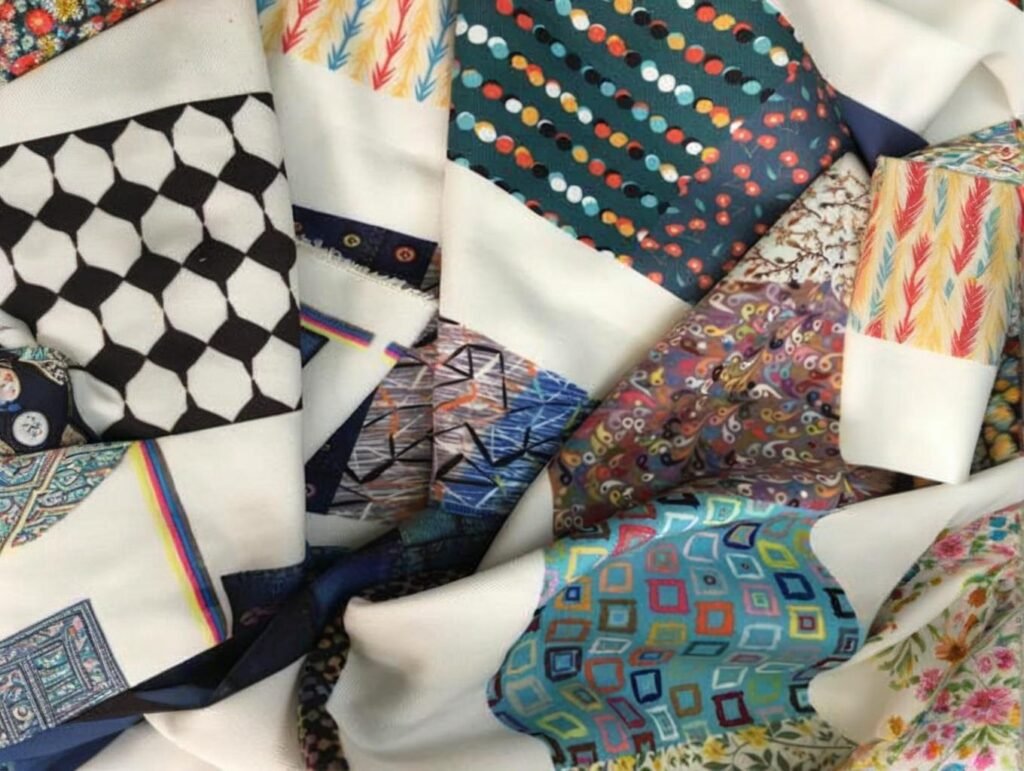
Canvas is often the go-to fabric for products that demand durability, structure, and natural appeal—think tote bags, upholstery, utility aprons, or outdoor gear. But not every application requires—or can afford—true canvas. For manufacturers, designers, and fabric buyers, the key question becomes: What fabric performs like canvas without being canvas? The answer involves understanding not just the look and weight, but also the weave, fiber content, and application behavior.
The fabrics closest to canvas in texture, strength, and functionality include cotton duck, twill, polyester canvas, and heavyweight denim. These alternatives provide similar durability and stiffness, making them excellent substitutes depending on the end use.
A startup once approached SzoneierFabrics hoping to source 16oz canvas for their branded tote line. After budget concerns emerged, our team suggested a 12oz polyester-cotton blended twill—cutting costs by 30% while keeping the product’s rugged aesthetic. The bags not only held their structure but resisted water better than raw canvas. That’s the kind of match-making this guide aims to help you achieve.
1. What Are the Key Properties That Define Canvas Fabric?
Canvas fabric is defined by its plain weave structure, medium to heavyweight density, natural stiffness, and high abrasion resistance, making it ideal for functional and durable products.
1.1 Technical Characteristics of Canvas:
| Property | Description |
|---|---|
| Weave Type | Plain weave (1-over, 1-under) |
| Typical Weight Range | 8oz – 24oz per square yard (270–810 GSM) |
| Fiber Composition | Usually 100% cotton, sometimes linen or blended poly |
| Surface Feel | Textured, slightly rough |
| Stiffness | Medium to high depending on oz/GSM |
| Durability | Excellent, especially in high-wear applications |
1.2 What Makes Canvas Unique?
- Plain weave + high GSM = great tensile strength
- Breathable, yet structurally rigid
- Naturally absorbent (ideal for wax coating)
- Easy to dye, print, and embroider
1.3 Application Categories for Canvas:
- Fashion & Bags: totes, crossbodies, bucket bags
- Home Decor: pillow covers, slipcovers, curtains
- Industrial Use: tents, tool aprons, protective covers
- Art & Craft: stretched canvases, banners
1.4 Real-World Use:
In a comparative test, SzoneierFabrics supplied 14oz canvas vs 12oz polycotton twill for an Australian furniture brand’s slipcover line. Canvas held structure longer under abrasion but was harder to machine sew in tight corners—leading the client to blend both materials based on panel stress points.
2. Which Fabrics Have Similar Weight and Texture to Canvas?
Fabrics such as cotton duck, twill, polyester canvas, denim, and oxford weave textiles share canvas-like weight, structure, and texture, making them suitable substitutes depending on specific application needs.
2.1 Canvas-Like Fabric Comparison Table:
| Fabric Type | Typical GSM | Weave Type | Texture | Durability | Best Application |
|---|---|---|---|---|---|
| Cotton Duck | 280–540 GSM | Plain | Smooth/firm | Very High | Totes, covers, seat cushions |
| Twill (Polycotton) | 200–350 GSM | Twill (diagonal) | Soft/firm | High | Apparel, lighter bags, workwear |
| Polyester Canvas | 300–600 GSM | Plain | Textured | Very High | Outdoor, waterproof bags, banners |
| Denim (12–16oz) | 400–540 GSM | Twill | Coarse | High | Fashion, tool aprons, rugged pouches |
| Oxford Weave | 200–350 GSM | Basket | Smooth | Moderate | Promotional bags, fashion accessories |
2.2 Cotton Duck vs. Canvas:
- Structurally almost identical; duck is a form of canvas, but usually smoother.
- Measured by weight number classes (#12 duck ≈ 11.5oz)
- Common in utility-grade tote bags and seat covers
2.3 Polyester Canvas:
- Strong water resistance
- Better print vibrancy than natural canvas
- Ideal for branding-focused B2B buyers (e.g. advertising totes)
2.4 Denim and Twill:
- Both offer excellent weave density and mid-heavy weight
- Twill’s diagonal weave gives visual interest and smoother drape
- Denim is thicker, coarser, and often stonewashed or brushed
2.5 Case Snapshot:
A German automotive accessory client was debating between 14oz cotton canvas and 16oz polycanvas for trunk organizers. They eventually chose polycanvas for its higher water resistance and lower fray risk, while retaining a similar texture and bulk.
3. How Does Cotton Duck Compare to Canvas in Structure and Use?
Cotton duck is a subtype of canvas with a smoother surface and tighter weave, offering nearly identical strength and structure. It’s widely used in bags, upholstery, and industrial applications where uniformity and fine finishes are needed.
3.1 What Is Cotton Duck?
Cotton duck, also known as duck cloth, is a plain-woven, heavy cotton fabric. It’s often mistaken for canvas, but the two differ subtly in finish:
- Duck has a more refined weave with fewer slubs (imperfections)
- Canvas tends to have a rougher, more open texture
3.2 Duck Cloth Classification:
| Duck Number | Approx. Weight (oz/yd²) | Approx. GSM | Common Use Case |
|---|---|---|---|
| #12 Duck | 11.5 oz | \~390 GSM | Medium tote bags, seat covers |
| #10 Duck | 14 oz | \~475 GSM | Industrial aprons, tool belts |
| #8 Duck | 18 oz | \~610 GSM | Sandbags, protective tarps |
The smaller the number, the heavier the fabric.
3.3 Duck vs. Canvas at a Glance:
| Property | Canvas | Cotton Duck |
|---|---|---|
| Weave | Plain | Plain (tighter) |
| Texture | Rough/irregular | Smoother/finer |
| Thickness Range | 8–24 oz | 10–18 oz (common) |
| Printing Surface | Moderate | Excellent |
| Appearance | Natural/utility | Polished/consistent |
3.4 Use Case Example:
A U.S. corporate gifting company needed branded, heavyweight bags that could hold up to 20kg and accept high-resolution silk-screen printing. SzoneierFabrics recommended #10 duck cloth, which delivered superior print sharpness and structure compared to traditional 12oz canvas.
3.5 Buyer Consideration:
Choose cotton duck when your B2B project demands:
- Clean print surfaces (e.g., sharp logos)
- Heavier weight without stiffness
- Consistent weave for fashion or retail-ready goods
4. Is Twill Fabric a Good Substitute for Canvas in Bags and Apparel?
Twill fabric is a viable substitute for canvas in applications where a smoother drape, diagonal texture, and mid-level durability are acceptable. It’s commonly used in fashion, uniforms, aprons, and lightweight tote bags.
4.1 Twill Fabric Basics:
Twill is defined by its diagonal weave pattern (like in denim). It offers:
- Greater flexibility and drape than canvas
- Excellent resistance to wrinkling
- Moderate to high durability depending on GSM
4.2 Twill vs. Canvas Comparison:
| Property | Canvas | Twill |
|---|---|---|
| Weave Type | Plain | Diagonal (2/1, 3/1) |
| Drape | Stiff | Softer, more flexible |
| Print Clarity | Good | Very good |
| Wear Resistance | High | Moderate to high |
| Fashion Appeal | Rugged/utility | Refined/clean |
4.3 Application Use:
| Industry | Canvas Common Use | Twill Alternative |
|---|---|---|
| Fashion Apparel | Workwear overalls | Chef jackets, chinos |
| Hospitality | Utility aprons | Barista/restaurant uniforms |
| Promotional Bags | Mid-weight branded totes | Soft, printed giveaways |
| Uniform Programs | Industrial vests | Corporate uniforms |
4.4 Fabric Weight Range:
| Twill Weight (oz) | GSM Equivalent | Suitability |
|---|---|---|
| 6 oz | \~200 GSM | Shirts, light totes |
| 8 oz | \~270 GSM | Chinos, light bags |
| 10 oz | \~340 GSM | Utility aprons, workwear |
4.5 Case Snapshot:
A South Korean food delivery startup needed lightweight but durable delivery aprons. Initially requesting 12oz canvas, they opted for 8oz polycotton twill after sampling—it offered better airflow, reduced stiffness, and print clarity with heat transfer logos.
5. What Are the Differences Between Polyester Canvas and Cotton Canvas?
Polyester canvas differs from cotton canvas primarily in fiber content, moisture resistance, and print performance. While both share a similar weave and weight range, polyester canvas offers superior weather resistance and colorfastness, while cotton canvas retains a more natural, breathable, and biodegradable character.
5.1 Side-by-Side Comparison: Polyester Canvas vs. Cotton Canvas
| Property | Polyester Canvas | Cotton Canvas |
|---|---|---|
| Fiber Composition | 100% synthetic (PET) | 100% natural cotton |
| Moisture Absorption | Hydrophobic (water-resistant) | Hydrophilic (absorbs moisture) |
| UV & Color Resistance | Excellent | Moderate |
| Biodegradability | Non-biodegradable | Biodegradable |
| Dye Compatibility | Sublimation, transfer printing | Reactive, pigment printing |
| Cost (bulk per meter) | \$1.2–\$2.8 | \$1.5–\$3.5 |
| Common Uses | Outdoor banners, gear, signage | Bags, apparel, upholstery |
5.2 Structural Similarities:
- Both have plain weave patterns (1-over-1-under)
- Similar weight options: 300–600 GSM range
- Can be coated (PU/PVC) for waterproofing or printing stability
5.3 Functional Differences:
- Polyester canvas is better for outdoor, high-moisture environments (e.g., tents, tarps, signage).
- Cotton canvas is better for indoor or fashion-based products like tote bags, covers, or aprons.
5.4 Case Study:
An EU-based outdoor lifestyle brand asked SzoneierFabrics to supply canvas duffel bags for beach sports. While 14oz cotton canvas was originally requested, 600D polyester canvas was recommended to improve saltwater resistance, drying time, and color retention. The result? 50% fewer customer complaints and more reorders.
5.5 Buyer Tip:
Choose polyester canvas for water-prone or printed commercial environments, and cotton canvas when the emphasis is on eco branding, comfort, or classic texture.
6. Are There Eco-Friendly Fabrics That Mimic Canvas Performance?
Yes, several eco-friendly fabrics—such as recycled cotton canvas, hemp canvas, jute, rPET-based polyester canvas, and Tencel-linen blends—offer similar weight and durability to canvas while aligning with sustainability goals.
6.1 Eco-Friendly Alternatives to Canvas:
| Fabric Type | Sustainability Profile | Canvas-Like Properties |
|---|---|---|
| Recycled Cotton Canvas | Post-industrial fiber reuse | Identical to virgin canvas if spun |
| Hemp Canvas | Naturally pest-resistant, fast-growing crop | Stronger and stiffer than cotton |
| Jute | Biodegradable, low water-use crop | Rougher texture, rigid body |
| rPET Canvas | Made from recycled plastic bottles | Matches polyester canvas structure |
| Tencel-Linen Blends | Biodegradable, closed-loop processing | Smooth, breathable, but weaker |
6.2 Sustainability Metrics Table:
| Fabric | Biodegradable | Recycled Option | CO₂ Emissions (kg per kg) | Water Use (liters/kg) |
|---|---|---|---|---|
| Cotton Canvas | Yes | Yes | \~5.9 | \~2,700 |
| rPET Canvas | No | Yes | \~2.1 | Low |
| Hemp Canvas | Yes | Limited | \~1.5 | Very low |
| Jute | Yes | Naturally low-impact | \~1.2 | Low |
| Tencel Blends | Yes | Processed virgin | \~1.6 | Controlled (closed-loop) |
6.3 Application Insight:
- Hemp canvas is used in rugged, long-life items like eco luggage or artist-grade backpacks.
- rPET canvas is preferred for brands promoting circular economy concepts (e.g., recycled promotional bags).
- Jute is cost-effective for rustic-style totes or packaging with strong biodegradability messaging.
6.4 Real Client Story:
A Scandinavian sustainable clothing brand partnered with SzoneierFabrics to create hemp-cotton blend bags for their new collection. The bags offered a similar stiffness to 14oz canvas, with 40% lower water footprint and a CO₂ savings of 1.7 kg per unit produced.
6.5 Buyer Recommendation:
When pitching to eco-conscious clients or sourcing for green-certified brands, hemp or recycled cotton canvas offers a close material match with a much better environmental profile than traditional canvas.
7. How Do Fabric Blends Replicate the Durability of Canvas?
Fabric blends such as cotton-polyester, hemp-cotton, and rPET-polyester replicate canvas durability by combining the natural strength of fibers like cotton or hemp with the wrinkle resistance, water resistance, and abrasion resistance of synthetics. These blends are commonly used in bags, upholstery, and uniforms.
7.1 Popular Canvas-Like Fabric Blends:
| Blend Type | Typical Ratio | Durability Benefit | Example Use Cases |
|---|---|---|---|
| Cotton-Polyester | 65/35 or 80/20 | Stronger seams, less shrinkage, better shape | Totes, uniforms, slipcovers |
| Hemp-Cotton | 60/40 or 70/30 | Improved tensile strength, eco-friendliness | Backpacks, tool bags, fashion |
| rPET-Polyester Canvas | 100% rPET or blends | High abrasion and water resistance | Outdoor bags, banners, gear |
7.2 Key Advantages of Canvas-Like Blends:
- Enhanced dimensional stability – Less distortion after washing
- Improved surface for printing – Especially with digital or sublimation methods
- Lower cost compared to 100% natural canvas – Particularly with polyester blends
- Custom dyeing options – Easier to match Pantone tones for branding
7.3 Performance Chart: Blends vs. 100% Canvas
| Fabric Type | Tensile Strength | Wrinkle Resistance | Eco Impact | Print Compatibility |
|---|---|---|---|---|
| 100% Cotton Canvas | High | Low | Moderate | High (screen/DTG) |
| Cotton-Poly Blend | High | High | Medium | Very High |
| Hemp-Cotton Blend | Very High | Medium | Low | Moderate |
| rPET-Poly Canvas | Very High | Very High | Low | Excellent (sublimation) |
7.4 Real Case:
A Canadian workwear brand partnered with SzoneierFabrics to source cotton-polyester canvas (65/35) for restaurant aprons. The blend held its shape after 30+ washes, resisted oil stains better than raw cotton, and offered vivid logo printing for brand visibility.
7.5 Buyer Advice:
Fabric blends are the smart middle ground when your project requires:
- Cost-efficiency
- Frequent washing
- High customization with color or printing
8. What Factors Should B2B Buyers Consider When Choosing a Canvas Alternative?
B2B buyers should consider factors such as intended use, fabric weight, weave structure, print method, price point, and sustainability goals when selecting a substitute for canvas. No single alternative fits all use cases—each comes with trade-offs.
8.1 Key Selection Criteria:
| Factor | What to Evaluate | Suggested Direction |
|---|---|---|
| Weight & Structure | Does the product need stiffness or drape? | Cotton duck, hemp blends, twill |
| Print Compatibility | What decoration technique will be used? | Polyester canvas, cotton-poly blends |
| Moisture/Weather Resistance | Will the item be used outdoors or wet zones? | rPET canvas, polycanvas, coated twill |
| Eco Requirements | Are carbon footprint or biodegradability factors? | Hemp, recycled cotton, jute |
| Cost & Availability | Is budget or supply chain a constraint? | Cotton-poly or polyester blends |
8.2 Buyer Personas & Ideal Canvas Alternatives:
| Buyer Type | Top Concern | Best Canvas-Like Fabric |
|---|---|---|
| Sustainable fashion brand | Eco image | Hemp-cotton blend canvas |
| Event merch supplier | Low-cost branding | Lightweight polyester canvas |
| Outdoor gear brand | Weatherproofing | rPET-polyester canvas (PU-coated) |
| Premium lifestyle brand | Print precision + texture | Cotton duck or Tencel-linen blend |
8.3 Strategic Approach:
- Always request GSM samples before bulk production
- Run pilot batches to test seam strength, shrinkage, and print clarity
- Align fabric performance with user environment, not just price
8.4 Case Wrap-Up:
A Middle Eastern cosmetics brand launched a premium holiday collection in canvas-style gift pouches. To meet strict sustainability KPIs, they used 12oz recycled cotton canvas lined with natural jute—resulting in plastic-free packaging that reinforced their ethical image and reduced CO₂ emissions by 40% compared to prior packaging.
Choose the Right Canvas Substitute with Confidence
Canvas is a classic for a reason—but with the right technical knowledge, buyers can find equally strong, visually appealing, and cost-efficient alternatives. From cotton duck to polyester canvas to hemp blends, your choice should always align with your functional needs, brand values, and production realities.
At SzoneierFabrics, we help B2B clients worldwide:
- ✅ Match product goals with ideal canvas-like fabrics
- ✅ Develop custom solutions using cotton, polyester, rPET, hemp, and more
- ✅ Offer low MOQ, fast sampling, and 100% quality control
- ✅ Provide test data (GSM, abrasion, shrinkage) to guide sourcing accuracy
Ready to find your perfect canvas substitute? Contact SzoneierFabrics now for fabric consultation, free samples, and full OEM/ODM support.
Can't find the answers?
No worries, please contact us and we will answer all the questions you have during the whole process of bag customization.
Make A Sample First?
If you have your own artwork, logo design files, or just an idea,please provide details about your project requirements, including preferred fabric, color, and customization options,we’re excited to assist you in bringing your bespoke bag designs to life through our sample production process.