 Skip to content
How Cotton Duck Canvas Enhances the Durability of Custom Bags and Totes
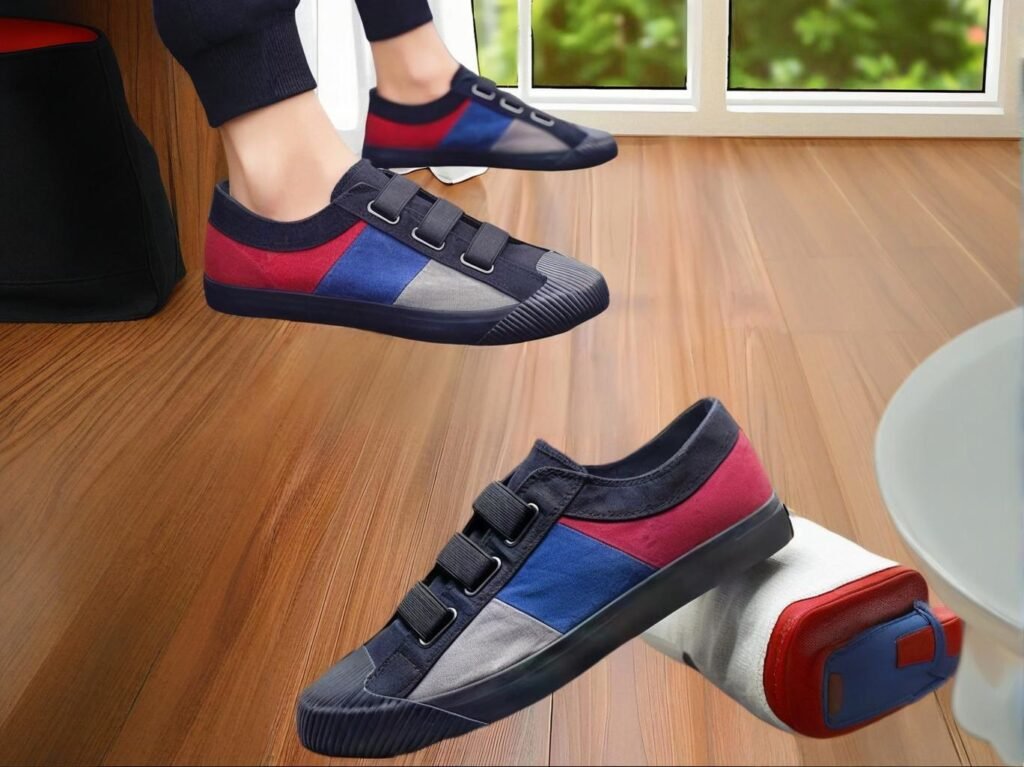
When it comes to designing a bag that’s built to last, the fabric you choose makes all the difference. A weak material can buckle, fray, or warp with time. But when durability is essential—think travel totes, utility bags, and lifestyle carry-alls—cotton duck canvas rises to the top as one of the most reliable and proven choices in the world of custom bag manufacturing.
Cotton duck canvas enhances durability through its dense weave, heavyweight structure, resistance to abrasion, and ability to support functional treatments like waterproof coatings and reinforcement stitching. These qualities make it a go-to fabric for bags and totes designed to withstand frequent use and heavy loads.
But this isn’t just theory. A Korean fashion brand specializing in weekenders switched from lightweight twill to 18oz cotton duck canvas. The result? A 55% reduction in product returns due to tearing, and increased five-star reviews citing the bags’ “substantial feel” and “unbreakable base.” Quality perception went up. So did repeat sales.
Let’s explore what makes cotton duck canvas not just strong—but smart—for tote and bag designs that are expected to perform.
What Is Cotton Duck Canvas and Why Is It Used in Bag Manufacturing?
Cotton duck canvas is a tightly woven, heavy-duty cotton fabric known for its dense weave, strength, and versatility. It’s favored in bag manufacturing because it holds structure well, resists tearing and abrasion, and can be dyed, printed, or coated for custom finishes.
Understanding the Foundation of Cotton Duck Canvas
▸ What “Duck” Actually Means
The term “duck” originates from the Dutch word “doek,” meaning cloth. Duck canvas is different from standard canvas because of its tighter weave and higher thread count.
| Canvas Type | Weave Density | Common Weights (oz) | Typical Use |
|---|---|---|---|
| Regular Canvas | Loose-medium | 8oz–14oz | Apparel, decorative items |
| Cotton Duck Canvas | Tight | 10oz–24oz | Bags, tents, utility products |
Why it matters: The tighter the weave, the better the bag resists water penetration and abrasion—two key concerns in long-term product use.
▸ Physical Properties That Support Bag Design
- Abrasion-resistant: Withstands friction from regular use
- High tensile strength: Carries weight without deforming
- Excellent stitch-holding ability: Supports heavy-duty seams
- Good print absorption: Ideal for branding, patterns, or logo work
Cotton duck canvas is easy to manipulate in cutting and sewing, making it compatible with industrial production while offering a premium, authentic hand feel for consumers.
How Does Cotton Duck Canvas Compare to Regular Canvas or Synthetic Fabrics?
Cotton duck canvas outperforms regular canvas and many synthetic alternatives in durability, shape retention, and natural feel. While synthetic fabrics like polyester or nylon offer water resistance and elasticity, they often fall short in visual appeal, breathability, and long-term structural integrity.
Side-by-Side Comparisons
▸ Cotton Duck Canvas vs Regular Cotton Canvas
| Feature | Cotton Duck Canvas | Regular Cotton Canvas |
|---|---|---|
| Thread Count | High | Medium |
| Strength | Strong, load-bearing | Moderate |
| Use in Bags | Structured, utility, rugged | Soft totes, light carry bags |
| Lifespan (est.) | 3–5 years+ | 1–2 years |
Insight: Duck canvas holds shape better, meaning it’s less likely to sag or wrinkle—essential for structured bag designs.
▸ Cotton Duck Canvas vs Polyester
| Feature | Cotton Duck Canvas | Polyester Canvas |
|---|---|---|
| Feel | Natural, textured | Smooth, synthetic |
| Sustainability | Biodegradable, renewable | Petroleum-based, non-biodegradable |
| Colorfastness | Moderate to high | High |
| Tear resistance | Very high (in 14oz+) | Moderate |
While polyester scores in water resistance, duck canvas wins in performance under load and eco-appeal—particularly for environmentally minded customers.
▸ Cotton Duck Canvas vs Nylon
| Feature | Cotton Duck Canvas | Nylon |
|---|---|---|
| Strength | High | Very high |
| Stretch | Very low (stable) | Medium-high (flexible) |
| Fire Resistance | Naturally moderate | Low (requires treatment) |
| Printing Options | Excellent with pigment | Limited to sublimation |
Product Strategy: Brands targeting urban commuters often choose cotton duck for messenger bags, pairing ruggedness with a clean, tactile finish.
What Makes Cotton Duck Canvas Durable in High-Stress Applications?
The durability of cotton duck canvas in custom bags stems from its high thread density, heavyweight structure, and ability to absorb tension without warping. Its physical integrity holds up to rugged use, whether it’s carrying groceries, tools, or daily essentials.
Engineering-Grade Qualities That Support Long-Term Use
▸ High Thread Density = Structural Resilience
The fabric’s tight weave (often between 50–100 threads per square inch) means fewer chances for tears to start. It prevents “run” damage from punctures or abrasions, which is especially important for work bags, outdoor totes, or tactical styles.
▸ Reinforced Weaving for Load Distribution
When stress points (like handles or bottom corners) are stitched into cotton duck canvas, the load is distributed over a wider area. This avoids “stress blooming”—a common failure in low-density fabrics.
| Performance Factor | Cotton Duck Canvas (16oz) | Polyester (600D) |
|---|---|---|
| Tensile Strength | 400–600 N/5cm | 300–400 N/5cm |
| Abrasion Cycles (Martindale) | 25,000+ | 12,000–15,000 |
| Puncture Resistance | Excellent | Moderate |
Note: Canvas maintains its integrity even when damp or sun-exposed, while synthetics can degrade or become brittle.
▸ Dimensional Stability
Unlike stretchy synthetics, cotton duck canvas retains its shape even after multiple washes or use cycles. This is ideal for brands creating structured silhouettes, reinforced totes, or multi-pocket carriers.
▸ Support for Stitch Locking
The thick yarn structure allows needle lock-stitches to embed deeply, reducing seam slippage and improving resistance under stress.
Real-World Case: A Belgian workwear brand switched to 18oz duck canvas for its multipurpose utility bags. Not only did their products pass 50kg weight-drop testing, but customers also reported no stitching failures after 18 months of heavy-duty field use.
Which GSM or Weight of Cotton Duck Canvas Is Best for Custom Bags?
The ideal weight of cotton duck canvas for custom bags depends on usage. Lighter weights (10oz–12oz) suit fashion totes, while midweight (14oz–16oz) and heavyweight (18oz–24oz) are better for backpacks, tool bags, and structured luggage.
GSM Selection Guide for Specific Bag Types
Grams per square meter (GSM) or ounces per square yard (oz/sq yd) helps determine how dense—and therefore how durable—a fabric will be.
▸ GSM/Ounce Conversion Table
| Weight (oz/sq yd) | GSM Approx. | Common Usage |
|---|---|---|
| 10oz | 340gsm | Lightweight totes, beach bags |
| 12oz | 400gsm | Fashion totes, foldables |
| 14oz | 475gsm | Grocery bags, small backpacks |
| 16oz | 540gsm | Structured totes, weekenders |
| 18–24oz | 610–810gsm | Tool bags, tactical packs |
▸ Tips for Choosing the Right Canvas Weight
- Under 12oz: Soft, pliable feel; easier to sew; suitable for bulk giveaways or branding.
- 14–16oz: The industry’s most versatile weight; balances durability and handling.
- 18oz+: Requires industrial machines but delivers premium ruggedness.
Pro Insight: If your bag design includes inner compartments, metal fixtures, or leather panels, go for 14oz or higher to support the added stress.
▸ Consider Coated vs. Uncoated
Coatings like wax, PVC, or PU can slightly increase the effective weight but significantly improve performance.
| Canvas Finish Type | Water Resistance | Stiffness | Ideal Use |
|---|---|---|---|
| Raw | Low | Soft | Fashion & eco-bags |
| Waxed | Medium-High | Firm | Heritage-style bags |
| PVC/PU Coated | High | Very Firm | Industrial or outdoor use |
Case Example: A US-based craft brand uses 12oz raw duck canvas for its everyday totes and upgrades to 16oz waxed canvas for premium models. This helps them maintain two product tiers with distinct feels—while simplifying sourcing and production.
How Does Cotton Duck Canvas Respond to Waterproof or Fire-Resistant Treatments?
Cotton duck canvas can be effectively treated with a range of performance finishes, including water-repellent wax coatings and flame-retardant compounds. These enhancements significantly expand its use in outdoor, industrial, and safety-focused applications.
Enhancing Canvas with Technical Coatings
▸ Waxed Canvas: Heritage Meets Functionality
Waxing is one of the oldest and most effective waterproofing methods. A layer of paraffin or beeswax is applied either manually or through hot-wax impregnation.
| Feature | Waxed Cotton Duck Canvas | Unwaxed Canvas |
|---|---|---|
| Water Resistance | Moderate to High | Low |
| Breathability | Moderate | High |
| Re-waxing Required | Yes (every 6–12 months) | No |
| Surface Feel | Oily, rugged | Dry, textured |
Best For: Outdoor gear, vintage-style backpacks, motorcycle bags, or tool carriers.
▸ PU or PVC Coatings: Heavy-Duty Protection
For commercial-grade weatherproofing or fire retardancy, canvas is often coated with polyurethane (PU) or polyvinyl chloride (PVC).
| Property | PU Coated Canvas | PVC Coated Canvas |
|---|---|---|
| Water Resistance | High | Very High |
| UV Stability | Good | Excellent |
| Flame Retardancy (FR rating) | Yes (additive-based) | Yes (halogenated) |
| Flexibility | More flexible | Less flexible |
These coatings make canvas suitable for marine bags, firefighter gear bags, or insulated carriers.
▸ Flame Retardancy: Compliance and Capability
FR-treated cotton duck meets standards such as:
- NFPA 701 – US fire resistance in textiles
- EN 13501-1 – EU building material classification
- CA TB117 – California flammability regulation for furniture
A Korean industrial tools brand used Szoneier’s 18oz FR-coated duck canvas to manufacture high-visibility safety pouches. The product passed independent lab tests for UL-94 and showed no burn-through at 1200°C.
What Stitching and Seam Techniques Work Best with Cotton Duck Canvas?
Heavy-duty lockstitching and reinforced seam constructions—such as double-stitched, bound seams, or French seams—are ideal for cotton duck canvas. These methods ensure structural integrity and resist fraying or splitting under load.
Structural Sewing Methods for Canvas Bags
▸ Stitching Type Comparison Table
| Stitch Type | Description | Strength Level | Common Use |
|---|---|---|---|
| Lockstitch | Basic interlocking stitch | Moderate | Seams and topstitching |
| Double Stitch | Two rows of lockstitch in parallel | High | Handles, stress points |
| Bar Tack | Short, dense zigzag stitches | Very High | Bag straps, corner reinforcements |
| Flat-Felled Seam | Folded seam with hidden raw edges | Moderate–High | Fashion totes, premium bags |
| Bound Seam | Edges bound with tape for protection | Very High | Tool bags, structured carriers |
▸ Needle & Thread Recommendations
- Needle Type: Leather point or denim needle (size 16–20)
- Thread Type: Bonded polyester or nylon; Tex 70–135
- Machine Type: Industrial walking foot or cylinder arm machine
Pro Tip: Avoid over-punching the canvas with small needles. This can weaken the surrounding weave and increase fray potential.
▸ Reinforcement Techniques
- Box X Stitch: Popular for strap connections.
- Bartack: Adds high-strength support in key areas.
- Piping Insertion: Increases edge strength and improves aesthetics.
Real-World Example: A Japanese outdoor lifestyle brand used bound seams and bar-tack reinforcements on their 16oz waxed canvas rucksacks. Customer reviews cited the bags’ “zero seam failure” rate even after prolonged exposure to rain and urban wear.
How Does Cotton Duck Canvas Compare to Polyester or Nylon in Durability?
Cotton duck canvas excels in abrasion resistance, long-term wear, and eco-responsibility, while polyester and nylon offer advantages in water resistance and weight. The best material often depends on the bag’s end-use, aesthetics, and brand values.
Canvas vs Polyester vs Nylon in Bag Manufacturing
▸ Side-by-Side Performance Comparison
| Feature | Cotton Duck Canvas | Polyester | Nylon |
|---|---|---|---|
| Abrasion Resistance | Excellent | Good | Moderate–Good |
| Water Resistance (untreated) | Low | Moderate–High | High |
| Tear Resistance | High | Moderate | Excellent |
| UV Resistance | Good | Moderate–Good | Poor (unless treated) |
| Sustainability | Natural & Biodegradable | Synthetic & recyclable | Synthetic (less eco) |
| Printability | High | Moderate | Moderate |
| Dye Hold & Color Fade | Good | Very Good | Moderate |
| Temperature Tolerance | High | Melts under high heat | Melts under high heat |
Summary Insight:
- Use cotton duck canvas when strength, longevity, and ruggedness matter.
- Choose polyester for lighter bags or printed promotional products.
- Opt for nylon when flexibility and high tear strength are priorities (e.g., collapsible or foldable bags).
▸ Real Use Case Example
A European leather goods brand collaborated with Szoneier to launch a new utility tote collection. After testing nylon and 12oz duck canvas side-by-side, they selected canvas due to its superior structure retention and elevated look when paired with leather trims. The final product line saw a 38% higher customer retention rate compared to their nylon versions.
What Makes Szoneier the Ideal Supplier for Custom Canvas Bag Projects?
Szoneier offers comprehensive support in fabric selection, customization, and fast sampling. From 10oz to 24oz canvas options, our team helps clients meet both aesthetic and functional goals with reliable lead times, eco-compliant finishes, and factory-direct pricing.
Why Partnering with the Right Manufacturer Matters
▸ Sourcing Advantages at Szoneier Fabrics
| Advantage | Description |
|---|---|
| Low MOQ | Start from as low as 100 pieces per style |
| Free Sampling | Complimentary samples with detailed feedback |
| Fast Turnaround | Samples in 3–5 days, production in 10–18 days |
| Custom Finishing | Waxed, dyed, fire-retardant, printed canvas available |
| Compliance & Quality | OEKO-TEX®, REACH, and RoHS-certified materials |
| In-House Lab Testing | Tensile, abrasion, and waterproof testing on request |
| Brand Support | Free design consultation, logo positioning, packaging |
▸ Multi-Segment Expertise
- Fashion & lifestyle tote bags
- Industrial gear tool carriers
- Food delivery and cooler bags
- Pet carriers & outdoor backpacks
▸ Humanized Support
At Szoneier, we’ve worked with global startups, independent designers, and international fashion retailers. We understand the creative anxiety behind your first run, the cost concerns behind a new material, and the pressure of tight timelines.
Case Highlight: A US-based designer launched their inaugural waxed canvas bag line with Szoneier. Despite a minimal budget, the brand was able to hit shelves within 30 days, leveraging Szoneier’s free pattern support and sourcing-friendly production scale. The line sold out in under a month, prompting a second run within the same season.
Canvas That Builds Your Brand
Canvas isn’t just a fabric—it’s a storytelling medium. From heritage-style waxed carryalls to modern fire-resistant work totes, cotton duck canvas delivers tactile quality, longevity, and a unique identity to every custom bag line.
If you’re looking to build something that lasts—something with weight, presence, and eco-conscious appeal—Szoneier Fabrics is ready to collaborate with you. From fast samples to scalable production, our canvas solutions are tailored to help your ideas take shape.
Get in touch now for free samples, pricing quotes, and professional guidance for your custom canvas bag project.
cotton duck canvas fabric, durable canvas fabric, custom canvas bags, canvas material for bags, heavy duty canvas tote, canvas vs nylon bags, cotton canvas durability, canvas bag manufacturing, waxed canvas fabric, canvas bag fabric supplier, canvas tote bag material, waterproof canvas fabric, sustainable canvas fabric, thick canvas for bags, canvas roll for sewing, printed canvas fabric, natural cotton canvas, industrial canvas fabric, canvas material wholesale, custom tote bag fabric, 12oz canvas fabric, 18oz cotton duck canvas, abrasion resistant fabric, canvas fabric weight guide, canvas for backpack making, fire retardant canvas fabric, canvas vs polyester durability, custom bag fabric sourcing, eco canvas for bags, best canvas for custom bags,
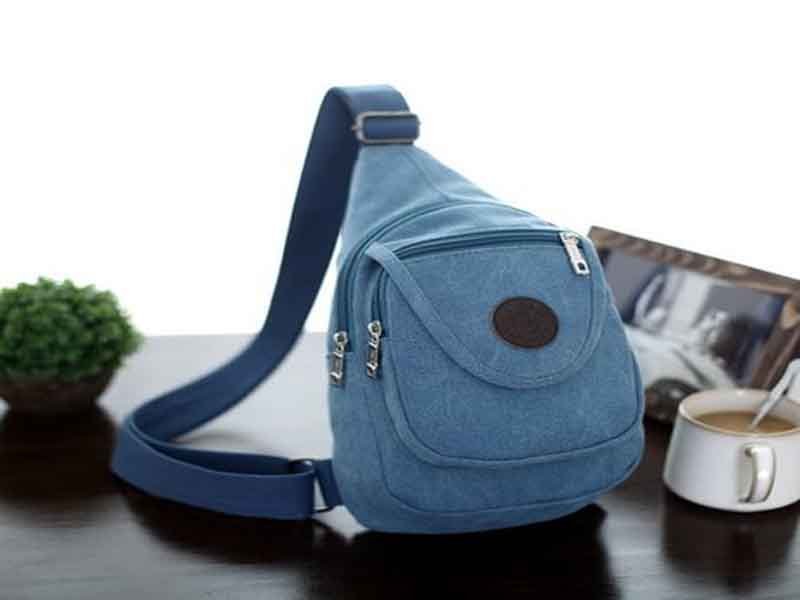
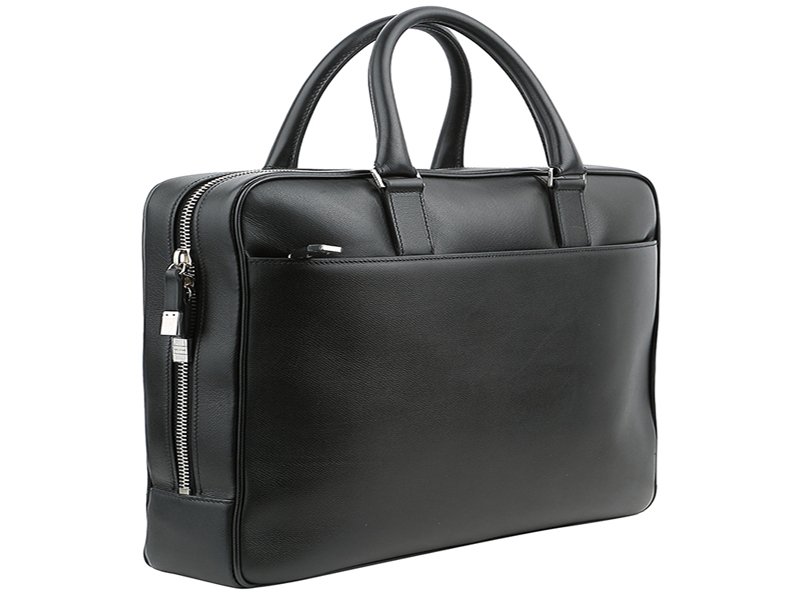
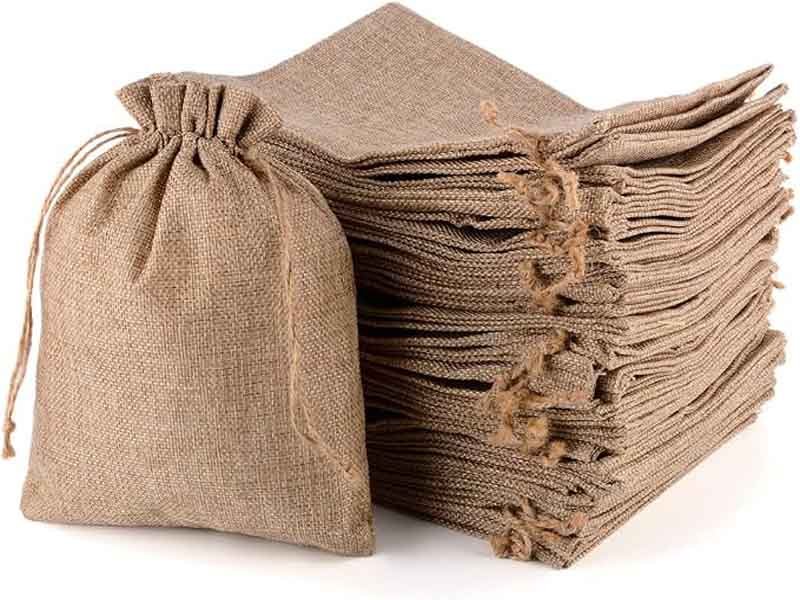
Can't find the answers?
No worries, please contact us and we will answer all the questions you have during the whole process of bag customization.
Make A Sample First?
If you have your own artwork, logo design files, or just an idea,please provide details about your project requirements, including preferred fabric, color, and customization options,we’re excited to assist you in bringing your bespoke bag designs to life through our sample production process.