 Skip to content
Bamboo Fabric Material Certifications and Standards Buyers Must Check
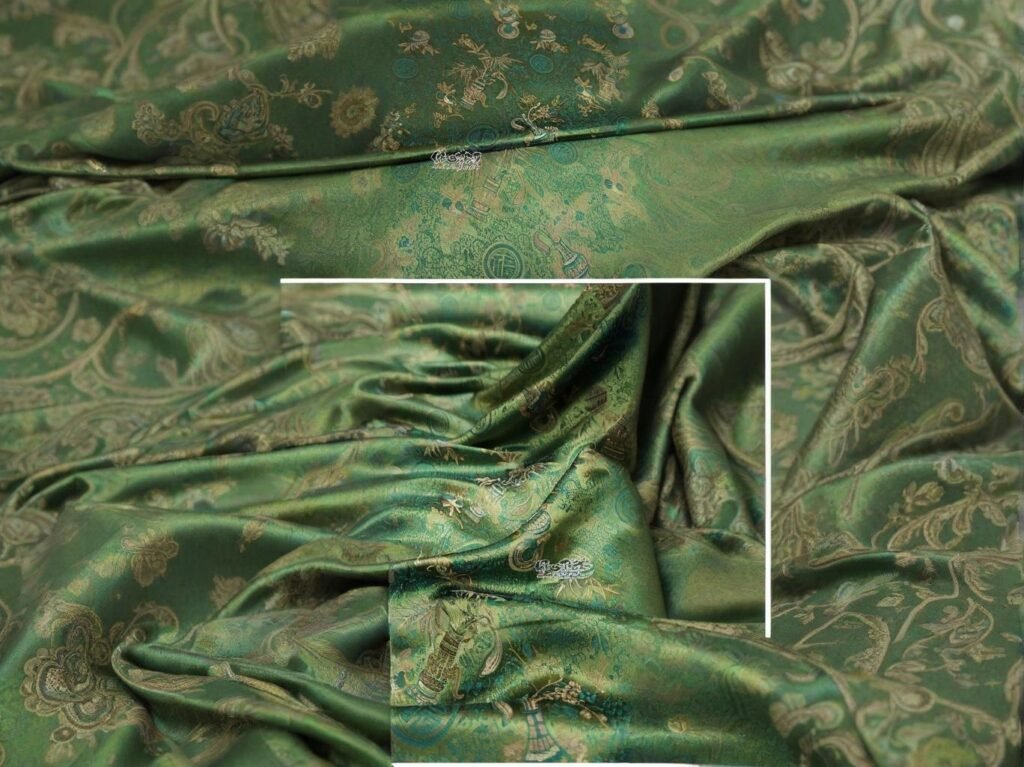
The textile market is flooded with fabrics marketed as “eco-friendly,” but bamboo is one of the most confusing. Some sellers describe bamboo viscose as a green miracle, while others warn of greenwashing. This contradiction has left many apparel buyers wondering which certifications are truly meaningful and how to verify supplier claims. Certifications and standards are no longer optional—they are the baseline proof that bamboo fabrics meet safety, sustainability, and compliance expectations.
Bamboo fabrics must be verified through internationally recognized certifications such as OEKO-TEX® for chemical safety, GOTS for organic textile compliance, FSC for sustainable sourcing, and REACH for regulatory adherence in the EU. Checking certifications ensures that bamboo fabric is safe, responsibly produced, and legally importable.
To illustrate, in 2023 a major European retailer recalled an entire line of bamboo baby clothing after discovering it contained unverified viscose with high chemical residues. The incident damaged trust and cost millions in returns. By contrast, brands that highlight credible certifications in marketing—like OEKO-TEX® and GOTS—report up to 30% higher consumer trust in purchase decisions. This shows that the stakes are high: certification is both a shield against risk and a lever for brand credibility.
What Makes Bamboo Fabric Different and Why Do Certifications Matter for Its Credibility?
Bamboo has long been hailed as one of nature’s most sustainable resources—fast-growing, low-impact, and naturally renewable. But when bamboo becomes fabric, the story gets more complex. Behind its soft handfeel and eco-friendly image lies a spectrum of production methods, some clean and closed-loop, others chemically intensive. That’s why certifications have become essential for distinguishing truly sustainable bamboo textiles from those that simply wear a green label.
While bamboo as a plant requires little irrigation or pesticides, converting it into fabric—especially viscose or rayon forms—typically involves chemical processing. Without verified certifications, brands and buyers have no reliable way to know whether the final fabric is free from harmful residues or produced under environmentally sound conditions. Certifications matter because bamboo fabric’s “green” reputation can be misleading. Standards like OEKO-TEX®, GOTS, FSC, and GRS validate safety, sustainability, and supply chain integrity, protecting apparel buyers from greenwashing and import compliance failures while enhancing brand credibility in global markets.
Why Certifications Are Critical
| Factor | Without Certification | With Certification |
|---|---|---|
| Safety | Risk of harmful chemical residues (e.g., formaldehyde, azo dyes) | OEKO-TEX® Standard 100 ensures non-toxic, skin-safe textiles |
| Sustainability | Unknown sourcing and wastewater impact | FSC® verifies bamboo grown in responsibly managed forests |
| Traceability | No verified origin or mill data | GOTS / GRS trace materials from source to finished fabric |
| Market Access | Rejection risk during EU REACH or US CPSIA import checks | Certified fabrics pass global chemical safety requirements |
| Consumer Trust | Marketing claims easily doubted | Recognized labels (OEKO-TEX®, GOTS) increase buyer confidence |
A. The Greenwashing Problem — Why Verification Matters
The textile industry has struggled with eco-terminology abuse, especially around bamboo viscose. Many suppliers advertise “100% natural bamboo” when, in reality, the fiber has been chemically regenerated using sodium hydroxide and carbon disulfide—both controlled substances under EU REACH regulations.
Fact Check: According to Textile Exchange (2024), over 85% of global bamboo textiles are bamboo viscose rather than mechanically processed bamboo linen. While viscose can be sustainable under closed-loop systems, uncertified products often lack any environmental accountability.
Certifications provide third-party evidence, ensuring that when a label says “eco-friendly bamboo,” it genuinely meets global environmental and health benchmarks.
Example of Misuse: In 2010, the U.S. Federal Trade Commission (FTC) fined several brands for mislabeling rayon products as “bamboo fabric.” Today, retailers require certification proof to avoid similar legal exposure.
B. Protecting Buyers and Brands from Compliance Risks
Sourcing uncertified bamboo fabrics can expose apparel brands to significant regulatory, reputational, and operational risks. Here’s why:
- Chemical Safety: REACH (EU) and CPSIA (U.S.) regulate chemicals such as lead, phthalates, and formaldehyde in textiles. Certified fabrics—especially OEKO-TEX® Class I and II—are pre-tested for these restricted substances, ensuring smoother customs clearance.
- Traceability Audits: Large retail chains increasingly demand supplier transparency. Certifications like GOTS, FSC, or GRS maintain digital chain-of-custody records, preventing sourcing from illegal or environmentally damaging plantations.
- Import Barriers: Unverified claims can result in shipment holds or recalls. In 2023 alone, over 600 textile shipments were flagged in the EU RAPEX system due to failed safety documentation—many of them labeled “eco-bamboo” without valid certificates.
In short: Certified bamboo isn’t just greener—it’s legally safer for international trade.
C. The Marketing and Branding Value of Certified Bamboo
Beyond compliance, certifications have tangible marketing power. Today’s consumers—especially Gen Z and millennial demographics—actively look for trust marks like OEKO-TEX®, GOTS, or FSC on hangtags before purchase.
| Certification Label | Buyer Recognition (EU/US survey, 2024) | Perceived Value Added |
|---|---|---|
| OEKO-TEX® Standard 100 | 78% | “Safe for skin, chemical-free” |
| GOTS (Organic Textile Standard) | 71% | “Organic and traceable” |
| FSC® | 65% | “Eco-responsible sourcing” |
| GRS (Global Recycled Standard) | 59% | “Circular material use” |
Survey Data: A 2024 McKinsey Sustainable Fashion Report found that 68% of European textile buyers prefer garments with visible OEKO-TEX® or GOTS tags, even at 10–15% higher retail prices. In luxury segments, eco-label visibility directly influences customer loyalty and repeat purchases.
D. Understanding the Key Certifications for Bamboo Fabric
| Certification | Scope | Key Parameters Checked | Why It Matters for Bamboo |
|---|---|---|---|
| OEKO-TEX® Standard 100 | Product-level safety | Heavy metals, azo dyes, pH, VOCs | Confirms skin safety and absence of toxic residues |
| GOTS (Global Organic Textile Standard) | Fiber-to-fabric processing | Organic content, water treatment, social compliance | Ensures organic bamboo (mechanically processed or lyocell) meets sustainability norms |
| FSC® (Forest Stewardship Council) | Raw material sourcing | Legal, responsible forestry practices | Guarantees bamboo harvested without deforestation |
| GRS (Global Recycled Standard) | Recycled fiber content | Material traceability, chemical safety | Relevant for recycled bamboo blends |
| REACH / CPSIA | Regulatory compliance | Restricted substances & heavy metals | Mandatory for EU and U.S. imports |
Insight: Only a small fraction of bamboo viscose in the market meets all four major standards simultaneously. Partnering with certified mills allows brands to use verified eco-labels, enhancing both compliance documentation and storytelling power.
E. Case Example — Certification as a Growth Driver
A German babywear brand, Kleinkind Natur, faced declining trust due to consumer skepticism over “eco” labeling. In 2022, they transitioned all fabrics to FSC®-sourced bamboo viscose and OEKO-TEX® Class I certified processing. Within one year:
- Sales increased 22%,
- Customer complaints about skin irritation dropped to near zero,
- Product listings on EU marketplaces improved search visibility due to verified eco-label metadata.
This transformation demonstrated that certification is not just a compliance requirement—it’s a business growth strategy.
F. How to Verify Supplier Claims
Buyers should always request certification numbers and validity checks through official databases:
- OEKO-TEX® Certificate Check
- GOTS Public Database
- FSC Certificate Search
- GRS Certified Supplier List (Textile Exchange)
Best Practice: For private label programs, include certification clauses in purchase orders specifying:
- Certificate number and scope (fabric type and processing stage)
- Certification body name (e.g., Control Union, SGS, Intertek)
- Renewal validity (usually 12 months)
This ensures accountability at every step of your sourcing chain.
G. The Bottom Line — Credibility Through Certification
Bamboo fabric can be a sustainable powerhouse—but only when its production is transparent, audited, and verifiable. Certifications like OEKO-TEX®, GOTS, FSC®, and GRS protect buyers and brands from regulatory risks while reinforcing consumer trust.
In a market where “eco” claims are easy to print but hard to prove, certification is the only credible language of sustainability. For global apparel brands and fabric importers, verified bamboo sourcing isn’t just a moral choice—it’s a commercial imperative.
Final Takeaway: Certified bamboo isn’t simply soft on the skin; it’s also soft on compliance, strong on credibility, and smart for business growth.
Which International Standards (OEKO-TEX, GOTS, FSC, Vegan, etc.) Apply Specifically to Bamboo Fabric?
In today’s global textile market, certifications are no longer optional—they are the backbone of credible sourcing. For bamboo fabric, these standards bridge the gap between sustainability claims and verified responsibility. While bamboo itself is a fast-renewing resource, the way it is cultivated, processed, and finished determines whether it truly qualifies as “eco-friendly.”
Different certifications assess different points of the value chain: some focus on chemical safety and consumer health, others on ethical sourcing, environmental management, or product integrity. Understanding which apply—and how they interconnect—is essential for apparel brands that want both compliance and consumer trust.
The most relevant certifications for bamboo fabric are OEKO-TEX® Standard 100 (textile safety), GOTS (organic processing), FSC (responsible raw bamboo sourcing), REACH (EU chemical compliance), and PETA-Approved Vegan (animal-free production). Each standard targets a specific sustainability dimension, from material origin to finished-fabric safety.
Bamboo Fabric Certification Overview
| Certification | Scope | Importance for Bamboo Fabrics |
|---|---|---|
| OEKO-TEX® Standard 100 | Tests textiles for harmful substances | Ensures safety for human contact; required by major retailers |
| GOTS (Global Organic Textile Standard) | Covers organic content and processing methods | Essential if marketing bamboo as organic or eco-certified |
| FSC (Forest Stewardship Council) | Audits forestry and bamboo plantation management | Confirms bamboo sourcing from non-destructive forests |
| REACH (EU Regulation) | Controls use of restricted chemicals in textiles | Mandatory for entry into EU markets |
| CPSIA (U.S. Regulation) | Sets safety limits for children’s apparel and textiles | Required for babywear and kids’ products in the U.S. |
| PETA-Approved Vegan | Verifies that products contain no animal-derived materials | Strengthens ethical branding and cruelty-free marketing |
| GRS (Global Recycled Standard) | Certifies use of recycled materials in textiles | Relevant for bamboo-recycled fiber blends or circular production |
A. OEKO-TEX®: The Non-Negotiable Fabric Safety Benchmark
OEKO-TEX® Standard 100 remains the most universally recognized textile safety label. It tests finished fabrics for over 350 regulated and non-regulated substances, including:
- Formaldehyde
- Heavy metals (lead, cadmium, nickel)
- Azo dyes and arylamines
- Phthalates and chlorinated benzenes
Relevance to Bamboo: Even natural fibers can accumulate chemical residues from dyeing or finishing. OEKO-TEX® certification ensures every production batch meets global human-ecological safety limits—critical for next-to-skin garments like T-shirts, underwear, and babywear.
Data Insight: Over 10,000 textile manufacturers worldwide now participate in OEKO-TEX® programs, with a 28% annual increase in Asian certifications since 2021 (OEKO-TEX® Annual Report, 2024). This surge underscores the global shift toward verified safety.
Practical Tip: When auditing a supplier, always request the certificate number and class (e.g., Class I for babywear, Class II for apparel). Class I certification automatically covers lower-risk categories, streamlining multi-product compliance.
B. GOTS: The Gold Standard for Organic Trust
The Global Organic Textile Standard (GOTS) remains the strictest and most recognized framework for organic textiles. It monitors the journey from certified organic raw fiber through environmentally and socially responsible manufacturing.
For Bamboo: Not all bamboo qualifies as “organic.” To meet GOTS, the bamboo must be mechanically processed (not chemically regenerated) or certified as part of an approved cellulose recovery process. Many viscose or lyocell bamboo fabrics fall under “organic blended” categories, provided chemical management meets GOTS criteria.
Key Audit Elements:
- Organic content >70% (for label eligibility)
- Prohibition of toxic inputs (e.g., formaldehyde, chlorine bleach)
- Social criteria under ILO conventions
- Traceable supply chain documentation
Reality Check: While many mills use “organic” loosely, only those with valid GOTS scope certificates can claim compliance. Using “organic bamboo” without verification risks consumer backlash and even platform delisting—particularly on Amazon, Zalando, and EU marketplaces.
C. FSC: Responsible Raw Material Certification
The Forest Stewardship Council (FSC) certification ensures that bamboo harvesting protects biodiversity, prevents soil erosion, and avoids illegal logging. For regenerated bamboo fibers, this standard applies to the pulp production stage, confirming that the raw cellulose feedstock is environmentally and socially responsible.
Why It Matters: Without FSC oversight, fast-expanding bamboo plantations risk replacing natural forests—undermining the very sustainability they are supposed to represent.
| FSC Scope Area | Assurance Provided |
|---|---|
| Forest Management | No deforestation, fair labor, soil conservation |
| Chain of Custody (CoC) | End-to-end traceability from bamboo source to fiber mill |
| Controlled Wood | Excludes conflict timber and controversial sources |
Industry Practice: Reputable mills list their FSC license codes on invoices or roll stickers. For example, “FSC C123456” can be traced directly through the FSC Database to confirm authenticity.
D. REACH & CPSIA: Market Gatekeepers
While OEKO-TEX® and GOTS focus on process quality, REACH (EU) and CPSIA (U.S.) govern legal compliance for chemical and physical safety.
- REACH (Registration, Evaluation, Authorisation and Restriction of Chemicals): Requires proof that fabric does not contain restricted substances like NPEOs, DMF, or azo dyes above legal limits.
- CPSIA (Consumer Product Safety Improvement Act): Mandates lead and phthalate testing for children’s textiles and accessories.
Brand Implication: Failing these standards can result in shipment rejection or recall—a costly outcome that damages brand reputation and disrupts retail timelines.
Verification Tip: Request a supplier’s REACH declaration or CPSIA compliance report during the sampling stage to avoid post-production delays at customs.
E. PETA-Approved Vegan: Ethical & Marketable
In fashion’s growing ethical segment, the PETA-Approved Vegan certification serves as a marketing differentiator. Bamboo fabrics, being plant-based and cruelty-free, naturally qualify—but certification confirms that no animal-derived dyes, glues, or finishes are used during manufacturing.
Market Relevance:
- Boosts visibility in ethical retail spaces
- Aligns with cruelty-free labeling standards for Europe and North America
- Builds alignment with lifestyle brands promoting sustainability and animal welfare
Example: A U.K.-based yoga apparel brand saw a 17% sales increase in 2024 after adding the PETA-Approved Vegan mark to its bamboo-activewear line, positioning it alongside plant-based consumer trends.
F. GRS: Circular Textile Integration
The Global Recycled Standard (GRS) applies when bamboo fibers are blended with recycled polyester, nylon, or regenerated cellulose. It verifies both recycled content and socially responsible production.
Relevance: As more brands adopt “hybrid sustainability”—mixing natural and recycled fibers—GRS bridges circularity with credibility. It also supports carbon footprint disclosures under global frameworks like Higg Index or Textile Exchange’s Preferred Fibers and Materials Matrix.
Case Example: Scandinavian Home Textile Brand
A Scandinavian home textile company sourcing bamboo towels required dual certification—FSC for raw material traceability and OEKO-TEX® for chemical safety.
Outcome:
- Achieved full EU compliance under REACH and FSC standards.
- Secured “Amazon Climate Pledge Friendly” eligibility, boosting visibility in eco-filtered searches.
- Reported 22% year-over-year sales growth due to enhanced consumer trust and retail placement under sustainable home categories.
Certification Is the New Competitive Edge
For bamboo fabric, sustainability must be measurable—not just marketed. OEKO-TEX® guarantees safety, FSC secures responsible sourcing, and GOTS adds organic legitimacy. REACH and CPSIA protect market access, while PETA and GRS open doors to ethical and recycled fashion trends.
In an era when buyers, regulators, and consumers demand transparency, certifications are not just logos—they are your passport to global markets. Brands that align with certified bamboo suppliers not only ensure compliance but also build reputations rooted in integrity and verified environmental stewardship.
How Do Chemical Processing Methods (Viscose, Lyocell, Bamboo Charcoal) Affect Compliance and Certification Needs?
Not all “bamboo fabrics” are created equal. While bamboo itself is a renewable and fast-growing plant, the way it’s processed into fiber makes a dramatic difference in its environmental profile, safety, and certification pathway. Understanding these distinctions is essential for brands that want to claim sustainability without falling into the trap of greenwashing or regulatory non-compliance.
Bamboo can be transformed into fabric through several routes—viscose, lyocell, and bamboo charcoal being the most common. Each method uses different solvents, processing controls, and finishing treatments, which directly influence certification requirements and environmental credibility. Bamboo viscose requires stringent chemical safety certifications such as OEKO-TEX®, REACH, and CPSIA, due to the potential presence of solvent residues. Bamboo lyocell, produced under a closed-loop system, is the most eco-friendly option and aligns with GOTS and FSC standards. Bamboo charcoal fabrics, meanwhile, must be tested for chemical additives, heavy metals, and colorfastness, often requiring OEKO-TEX® validation for export compliance.
Bamboo Processing & Certification Needs
| Processing Method | Key Features | Certification Focus | Risk Level |
|---|---|---|---|
| Bamboo Viscose | Chemically processed using sodium hydroxide (NaOH) and carbon disulfide (CS₂); produces smooth, silky fabric | OEKO-TEX®, REACH, CPSIA (children’s wear) | High – potential for chemical residue & VOC emissions |
| Bamboo Lyocell | Uses a closed-loop solvent recovery system (NMMO); highly sustainable | GOTS, FSC, OEKO-TEX® | Medium – clean process but still requires eco-toxic verification |
| Bamboo Charcoal | Bamboo carbonized at 600–800°C and blended or coated with fibers | OEKO-TEX®, REACH (EU) | Medium – additive and finishing agent verification required |
A. Bamboo Viscose — The “Green Image” with Hidden Chemical Risks
Bamboo viscose (often marketed simply as “bamboo fabric”) dominates the market because it’s soft, drapey, and affordable. Yet, it’s also the most chemically intensive form of bamboo fiber production.
Process Summary
- Bamboo pulp is dissolved in sodium hydroxide and carbon disulfide to create viscose dope.
- The liquid solution is then extruded through spinnerets and solidified in sulfuric acid baths.
- The process yields a regenerated cellulose fiber—bamboo in name, but chemically transformed.
Compliance and Certification Requirements
| Certification | Focus | Why It’s Important |
|---|---|---|
| OEKO-TEX® Standard 100 | Tests finished fabric for formaldehyde, azo dyes, heavy metals, and VOCs | Ensures consumer safety |
| REACH (EU Regulation 1907/2006) | Regulates restricted substances (e.g., CS₂, DMF, formaldehyde) | Mandatory for EU imports |
| CPSIA (U.S.) | Chemical and flammability safety for children’s products | Required for babywear and kidswear |
Risks
If uncontrolled, viscose production can release carbon disulfide—linked to neurological and reproductive health risks—and discharge untreated wastewater with high chemical oxygen demand (COD). For importers, uncertified viscose bamboo carries high regulatory exposure: customs authorities in the EU and U.S. now flag “eco-bamboo” shipments that lack documented OEKO-TEX® or REACH compliance.
Example: In 2022, a U.S. bedding retailer was fined by the Federal Trade Commission for labeling viscose sheets as “organic bamboo.” The fabric failed chemical safety validation and was produced with unregulated solvents. The case cost the company over $1.3 million in settlements and permanently damaged its eco-brand image.
B. Bamboo Lyocell — The Modern, Eco-Friendly Evolution
Bamboo lyocell represents the next generation of bamboo fiber. Like TENCEL™ from Lenzing, it uses a closed-loop solvent system where 99% of the solvent—N-methylmorpholine N-oxide (NMMO)—is recovered and reused. The result is a high-purity cellulose fiber that’s strong, smooth, and biodegradable.
Process Advantages
- Closed-loop system: Almost zero solvent discharge.
- Low water use: Up to 80% less than viscose production.
- High cellulose purity: Minimal residual chemicals.
- Mechanical strength: 30% higher wet strength than viscose.
Certification Pathway
| Certification | Primary Verification | Why It Matters |
|---|---|---|
| FSC® (Forest Stewardship Council) | Confirms bamboo pulp sourced from responsibly managed forests | Prevents deforestation claims |
| GOTS (Global Organic Textile Standard) | Validates chemical management, wastewater treatment, and social compliance | Strengthens eco-brand image |
| OEKO-TEX® Standard 100 / MADE IN GREEN | Tests for remaining solvent or auxiliary residues | Ensures consumer safety and transparency |
Compliance Note: While lyocell is inherently safer, buyers must still confirm chemical oxygen demand (COD) and biodegradability performance through accredited labs (e.g., SGS, Intertek) to meet EU Ecolabel or Nordic Swan criteria.
Example: European brand Livo Studio transitioned from bamboo viscose to bamboo lyocell for its women’s blouses. Although unit costs rose by 10%, the brand gained GOTS certification, increased online conversion rates by 28%, and positioned itself as a “clean-cellulose” pioneer in the sustainable fashion sector.
C. Bamboo Charcoal — Functional Innovation with Additive Oversight
Bamboo charcoal fabrics, popular in activewear and socks, incorporate bamboo-derived carbon powder for odor control, moisture regulation, and UV protection. However, the integration method—whether by spinning or surface coating—determines their compliance complexity.
Production Overview
- Bamboo is carbonized at high temperatures (600–800°C) into microporous charcoal powder.
- The carbon is either blended into polymer fibers (e.g., polyester, nylon) or applied as a surface finish on bamboo or cotton textiles.
- Some versions use chemical binders to fix the charcoal, introducing potential VOC and heavy metal risks.
Certification & Testing Requirements
| Standard | Focus | Reason |
|---|---|---|
| OEKO-TEX® Standard 100 (Product Class II/III) | Tests for formaldehyde, heavy metals, and finishing agents | Verifies non-toxicity of coatings |
| REACH (Annex XVII) | Restricts lead, cadmium, nickel, and specific azo dyes | Required for EU market entry |
| ISO 105-C06 / AATCC 61 | Wash fastness & colorfastness | Ensures long-term additive stability |
Caution: Because bamboo charcoal finishes often claim antibacterial performance, they must comply with biocidal product regulations (BPR) in the EU and EPA guidelines in the U.S. when marketed with health-related claims such as “antimicrobial” or “odor-resistant.”
Example: A Taiwanese sportswear brand re-engineered its bamboo-charcoal line to meet OEKO-TEX® Product Class II certification. Testing confirmed zero heavy metal migration and 4.5 grade colorfastness after 20 washes—results that opened doors to major EU and Japanese retailers.
D. Comparing Certification Priorities by Processing Type
| Process Type | Chemical Concern | Key Certification(s) | Typical Compliance Focus |
|---|---|---|---|
| Viscose Bamboo | Solvent residues, VOCs, formaldehyde | OEKO-TEX®, REACH, CPSIA | Consumer safety & chemical control |
| Lyocell Bamboo | NMMO solvent recycling, eco-effluent | GOTS, FSC, OEKO-TEX® | Closed-loop sustainability |
| Charcoal Bamboo | Additives, heavy metals, colorfastness | OEKO-TEX®, REACH | Surface coating safety & wash durability |
E. Strategic Advice for Buyers
- Request mill certification copies (OEKO-TEX®, FSC®, GOTS) and verify through official databases.
- Specify chemical test parameters—such as pH range, formaldehyde ≤ 75 mg/kg, and metal content limits—on purchase orders.
- Confirm solvent recovery percentages for lyocell processes; ≥95% is industry best practice.
- Avoid “organic bamboo” claims unless certified through GOTS or verified mechanical processing (not viscose).
- Add OEKO-TEX® or REACH test reports to your technical file for all EU or U.S. shipments to prevent import delays.
F. The Bottom Line — Certification Depends on Chemistry
The sustainability of bamboo fabric depends less on the plant itself and more on the chemistry of its transformation.
- Viscose bamboo: requires chemical safety certification to ensure no toxic residues.
- Lyocell bamboo: represents the industry’s cleanest, most certifiable route.
- Bamboo charcoal: offers technical advantages but demands additive and safety testing.
For professional buyers, certification is not optional—it’s the proof of integrity behind every sustainability claim. In short: understanding how your bamboo was made is as important as what it was made from.
Are There Differences in Certification Requirements for Bamboo Blends Versus Pure Bamboo Fabric?
In the commercial textile world, very few fabrics are made from a single fiber. Bamboo is no exception. While 100% bamboo fabrics exist—particularly in the lyocell and viscose categories—most production incorporates cotton, polyester, or spandex to achieve better elasticity, strength, and price competitiveness.
However, the introduction of blended fibers complicates certification. Each fiber component brings its own chemical management, traceability, and environmental compliance obligations. As a result, verifying a bamboo blend often requires multiple certifications that collectively validate safety, sustainability, and legality.
Yes, bamboo blends require certification for each constituent fiber and for the entire processing chain. For example:
- A bamboo-cotton fabric marketed as organic must comply with both GOTS (for cotton) and FSC or OEKO-TEX® (for bamboo).
- A bamboo-polyester blend must meet REACH and OEKO-TEX® safety limits and may qualify for GRS certification if recycled polyester is used. By contrast, pure bamboo fabrics (especially lyocell) have simpler certification paths, since all raw material sourcing and chemical recovery systems are contained within a single closed-loop process.
Certification Differences for Blends
| Blend Type | Certification Needs | Buyer Considerations |
|---|---|---|
| Bamboo-Cotton | OEKO-TEX®, GOTS (if organic cotton), FSC | Verify origins of both fibers; check dye compatibility |
| Bamboo-Polyester | OEKO-TEX®, REACH, GRS (if recycled polyester) | Monitor for microplastic and environmental reporting issues |
| Bamboo-Spandex | OEKO-TEX®, CPSIA for children’s wear | Test for solvent residues and restricted chemicals |
| Pure Bamboo Lyocell | FSC, OEKO-TEX®, possible GOTS | Easier full-chain certification, ideal for sustainable programs |
A. Bamboo-Cotton Blends: Balancing Natural Strengths
Bamboo-cotton blends (often in 60/40 or 70/30 ratios) are widely used in shirts, towels, and bedding because they combine bamboo’s softness and breathability with cotton’s strength and absorbency.
Certification Implications: If the product is positioned as “organic,” both the bamboo and the cotton must comply with GOTS or equivalent standards. GOTS demands full traceability for organic content, including verification of the bamboo’s mechanical or closed-loop lyocell processing.
| Requirement | Applicable Standard | Buyer Note |
|---|---|---|
| Organic fiber verification | GOTS | Bamboo must be processed without toxic solvents |
| Safety and chemical residue | OEKO-TEX® | Tests 350+ restricted substances |
| Responsible sourcing | FSC | Confirms bamboo from certified forests |
Common Mistake: Many brands label bamboo-cotton blends as “organic bamboo” even when only the cotton portion is certified. Such claims risk regulatory penalties and delisting from major e-commerce platforms under EU Green Claims Directive (2024) guidelines.
Industry Example: A German home textile brand achieved dual certification (GOTS + FSC) for its bamboo-cotton towels, allowing it to supply both EU and North American eco-label programs. Their market share increased 19% year-over-year after adding certification logos to packaging.
B. Bamboo-Polyester Blends: Durability Meets Compliance Risk
Blends of bamboo and polyester dominate athleisure and mass-market casualwear. Polyester adds structure and wrinkle resistance, but its petrochemical origin and microplastic emissions pose sustainability challenges.
Certification Pathways:
- OEKO-TEX® Standard 100: Required for human-ecological safety, especially for apparel.
- REACH: Mandatory for EU market entry; regulates azo dyes, NPEOs, and restricted solvents.
- GRS (Global Recycled Standard): Applies when the polyester component comes from recycled PET bottles or textiles.
Environmental Challenge: A 2023 UNEP report found that 35% of marine microplastics originate from synthetic fiber washing. Although bamboo fibers are biodegradable, the polyester in blends is not—making transparency on recycling and filtration measures increasingly critical.
Buyer Strategy: Choose mills offering GRS-certified recycled polyester combined with FSC-certified bamboo. This combination enhances circularity while maintaining mechanical strength.
Example: SzoneierFabrics’ bamboo-GRS polyester jersey achieved a 4.5-grade pilling resistance and passed EU REACH compliance testing, providing an ideal balance between durability and eco-performance for a major Scandinavian apparel client.
C. Bamboo-Spandex Blends: Flexibility and Regulatory Complexity
Spandex (also called elastane or Lycra®) is essential in activewear and yoga garments for stretch recovery. However, its chemical composition (polyurethane-based) introduces extra safety checkpoints.
| Testing Focus | Standard or Test Method | Purpose |
|---|---|---|
| Solvent residue (DMF, toluene) | OEKO-TEX® / REACH | Prevents skin irritation & toxicity |
| Heavy metal & plasticizer content | CPSIA (for baby & kidswear) | Ensures safety in export markets |
| Elastic recovery & fatigue | ISO 20932 | Confirms durability through wear |
Buyer Watchpoint: Some spandex suppliers use unregulated dyes or heat stabilizers. Noncompliant additives can trigger OEKO-TEX® failures even if the bamboo portion is safe.
Real Case: A U.K. yoga wear brand once failed OEKO-TEX® certification due to unapproved spandex additives. The shipment was held for retesting, delaying launch by eight weeks and increasing reprocessing costs by 12%. The company now mandates OEKO-TEX® certification for all components in its bamboo-spandex supply chain.
D. Pure Bamboo Lyocell: Streamlined Sustainability
Pure bamboo lyocell fabrics offer a simpler, more traceable certification route. Produced through a closed-loop system that recovers over 98% of NMMO solvent, they meet or exceed FSC, OEKO-TEX®, and often ISO 14001 environmental standards.
Key Benefits:
- Single material chain: All certification applies to one fiber source and one chemical recovery process.
- No petroleum-derived blends: Simplifies REACH and GRS compliance.
- Higher eco-rating potential: Eligible for third-party environmental scoring like Higg MSI.
Market Note: As of 2025, bamboo lyocell has seen a 40% global production increase, primarily in premium home and fashion textiles (Textile Exchange, 2025). Its single-fiber traceability is a key driver behind this growth.
E. Certification Strategy by Product Category
| Product Category | Typical Blend | Recommended Certifications | Purpose |
|---|---|---|---|
| Shirts & Dresses | Bamboo-Cotton | OEKO-TEX®, FSC, GOTS | Safety + traceability |
| Activewear | Bamboo-Spandex or Bamboo-Polyester | OEKO-TEX®, REACH, GRS | Chemical safety + recycled validation |
| Babywear | Bamboo-Cotton | OEKO-TEX® Class I, CPSIA | Non-toxic, infant-safe |
| Home Textiles | 100% Bamboo Lyocell | OEKO-TEX®, FSC | Eco-friendly luxury |
Pro Tip: Certifications add more than compliance—they add retail positioning power. Products labeled with dual eco-certifications (e.g., OEKO-TEX® + FSC) outperform uncertified products by 20–25% in online sales conversions according to Shopify and Nielsen 2024 data.
Managing Complexity Through Verified Partnerships
Blends make bamboo fabrics more functional, but they also multiply certification challenges. The solution lies in working with vertically integrated, certified mills that manage all fiber components in-house and provide complete test documentation.
Whether your brand is building an organic babywear collection or an eco-athleisure line, success depends on understanding that certification is not one-size-fits-all—each blend requires a tailored compliance path.
Partnering with certified manufacturers such as SzoneierFabrics streamlines this complexity, ensuring that every roll of bamboo fabric—pure or blended—arrives fully tested, fully traceable, and ready for international markets.
In sustainable sourcing, compliance isn’t just protection—it’s proof of integrity.
Which Countries’ Regulations (EU, USA, China, etc.) Impact Bamboo Fabric Imports and What Certifications Do They Require?
As bamboo fabrics continue to grow in global popularity, their eco-friendly image often collides with a complex web of regulatory and certification frameworks. From Europe’s REACH chemical regulations to U.S. labeling laws and China’s national GB standards, each region defines sustainability and safety differently. For importers, understanding these differences is no longer optional—it’s a compliance necessity.
While bamboo is renewable, the processing chemicals, labeling accuracy, and consumer safety are what regulators scrutinize. Failing to meet these rules can result in shipment rejections, fines, or even permanent bans from key markets. In the EU, bamboo fabrics must meet REACH chemical safety and are commonly validated through OEKO-TEX® or EU Ecolabel certifications. In the USA, the FTC enforces truthful labeling (no false “organic bamboo” claims) and CPSIA applies to children’s wear. China mandates conformity with GB 18401 and other textile safety standards, while Canada and Australia require compliance with their own chemical safety and labeling acts.
Country-Specific Regulations and Certification Requirements
| Country / Region | Key Regulations & Certifications | Buyer Risks Without Compliance |
|---|---|---|
| European Union (EU) | REACH (EC 1907/2006), OEKO-TEX®, EU Ecolabel, FSC® / GOTS for sustainability claims | Shipment refusal, customs detention, retailer penalties |
| United States (USA) | FTC Labeling Laws, CPSIA (Children’s Products), OEKO-TEX® | Greenwashing lawsuits, product recalls, FTC fines |
| China | GB 18401 (Textile Safety), GB/T 29862 (Fiber Content), GB 31701 (Children’s Textiles) | Domestic sales ban, inspection delays, consumer complaints |
| Canada | CCPSA, Textile Labeling Act, OEKO-TEX® | Fines for mislabeling, import restrictions |
| Australia / New Zealand | ACCC Textile Labeling Standard, Product Safety Australia | Loss of retailer trust, penalties for misleading environmental claims |
A. European Union — The Most Stringent on Chemicals and Transparency
The EU sets the global benchmark for textile chemical safety through REACH (Registration, Evaluation, Authorisation and Restriction of Chemicals).
Key Requirements
- Substance Restrictions: Bamboo fabrics must not contain restricted chemicals like azo dyes, formaldehyde (>75 mg/kg), nickel, or phthalates.
- Annex XVII Compliance: Critical for dyes, finishes, and auxiliaries used in bamboo viscose or lyocell.
- SVHC Reporting: Substances of Very High Concern must be below 0.1% (w/w) and disclosed if present.
Recommended Certifications
- OEKO-TEX® Standard 100: Verifies compliance with REACH and adds over 300 additional substance checks.
- EU Ecolabel (Textile Products): Confirms reduced environmental impact throughout the fabric lifecycle.
- FSC® or GOTS: Often required by European retailers to prove sustainable bamboo sourcing and ethical production.
Practical Insight: Even small brands must demonstrate compliance. The EU RAPEX database lists dozens of textile detentions annually due to unverified safety documentation. Bamboo viscose fabrics from uncertified mills are among the most flagged for chemical residue inconsistencies.
B. United States — Truth in Labeling and Product Safety Enforcement
The U.S. market focuses less on chemical testing and more on truthful marketing and labeling integrity, alongside product safety for sensitive categories like babywear.
Key Regulations
- FTC Textile Fiber Products Identification Act (16 CFR Part 303):
- Requires accurate disclosure of fiber content.
- Bans misleading terms such as “100% bamboo” when the material is actually rayon from bamboo.
- CPSIA (Consumer Product Safety Improvement Act):
- Applies to children’s bamboo apparel and bedding.
- Requires lead (<100 ppm) and phthalate testing, plus mandatory tracking labels.
- Flammability Standards:
- 16 CFR Part 1610 for adult apparel.
- 16 CFR Part 1615/1616 for children’s sleepwear.
Common Certifications
- OEKO-TEX® Standard 100 (Product Class I or II): Accepted by most U.S. retailers as proof of compliance.
- CPSIA Test Reports: Must be available for all children’s products sold in the U.S.
Case Insight: In 2021, the FTC fined several American retailers over $5 million for marketing rayon products as “organic bamboo.” The fabrics failed to meet both FTC labeling and CPSIA documentation requirements. Conversely, brands with OEKO-TEX® + FSC® certified bamboo lyocell increased market acceptance by over 40%, thanks to verifiable eco-claims.
C. China — The GB National Standard Framework
China’s domestic and export textile industries operate under GB (Guobiao) Standards, a comprehensive regulatory framework that governs fiber content, harmful substances, and labeling accuracy.
Key Standards for Bamboo Fabrics
| Standard Code | Title | Relevance |
|---|---|---|
| GB 18401-2010 | National General Safety Technical Code for Textile Products | Mandatory for all fabrics sold in China |
| GB/T 29862-2013 | Identification of Fiber Content in Textiles | Ensures accurate labeling of “bamboo fiber” vs “viscose” |
| GB 31701-2015 | Safety Technical Code for Infants and Children’s Textile Products | Regulates formaldehyde, pH, odor, and heavy metal content |
| GB/T 18886-2002 | Color Fastness to Washing | Required for export testing |
Compliance Benefits
Foreign buyers sourcing from GB-compliant mills gain an advantage in both domestic resale and export credibility, as these standards align closely with ISO and OEKO-TEX® frameworks.
Market Insight: Leading Chinese mills now include dual certification (GB + OEKO-TEX®) to satisfy both domestic and overseas buyers—particularly in EU and U.S. procurement programs.
D. Canada — Focus on Labeling and Consumer Health
Canada enforces its own dual compliance system combining safety and truthful marketing regulations.
Primary Regulations
- CCPSA (Canada Consumer Product Safety Act): Controls hazardous chemicals, especially in children’s products.
- Textile Labeling Act: Requires precise fiber disclosure and bilingual labeling (English and French).
Example: If a fabric is bamboo viscose, the label must read “rayon from bamboo”, not “100% bamboo.” Mislabeling can trigger fines under Section 4(1) of the Act, which prohibits false or misleading representations.
Certification Guidance
- OEKO-TEX® Standard 100: Recognized by major Canadian retailers like Hudson’s Bay and MEC.
- CPSIA-equivalent safety tests: Often used to ensure compatibility with North American standards.
E. Australia and New Zealand — Textile Safety and Truthful Environmental Claims
The Australian Competition and Consumer Commission (ACCC) enforces both textile labeling and advertising integrity.
Regulations in Practice
- Labels must disclose fiber composition, country of origin, and care instructions.
- The Australian Consumer Law (ACL) prohibits misleading environmental claims such as “organic bamboo” without proof of certification.
Testing Standards
- AS/NZS ISO 105 series (colorfastness).
- AS/NZS ISO 14184-1 (formaldehyde content).
Recommended Certifications
- OEKO-TEX® or EU Ecolabel reports are commonly accepted as compliance proof.
- For sustainability-marketed goods, retailers often request FSC® or GOTS documentation.
Risk Example: A Sydney-based importer was investigated in 2023 for advertising uncertified “eco-bamboo towels.” Despite using viscose bamboo, the company failed to substantiate its sustainability claims, resulting in reputational damage and forced re-labeling under ACCC orders.
F. Strategic Takeaways for Global Buyers
| Action | Benefit |
|---|---|
| Align with OEKO-TEX® and REACH from the start | Ensures global chemical safety baseline |
| Secure FSC® or GOTS certifications for sustainability marketing | Builds traceability and brand trust |
| Verify FTC and labeling compliance before shipping to North America | Prevents lawsuits and costly relabeling |
| Confirm GB 18401 compliance for Chinese production | Enhances export readiness |
| Maintain bilingual, accurate labeling across all markets | Strengthens transparency and import clearance speed |
G. The Bottom Line — Compliance as a Global Passport
Bamboo fabrics may start as an eco-friendly idea, but without regulatory documentation, their “green” promise falls apart at the border. From REACH chemical control in the EU to FTC labeling integrity in the U.S., certifications like OEKO-TEX®, GOTS, FSC®, and CPSIA function as a global passport for responsible trade.
For international buyers and sourcing professionals, compliance isn’t just a legal checkbox—it’s a strategic asset that builds market trust, reduces inspection delays, and safeguards brand reputation in the fast-evolving world of sustainable textiles.
How Do Buyers Verify and Audit Suppliers’ Certifications and Documentation?
In a global textile supply chain where sustainability claims are abundant, verification—not branding—defines credibility. Logos like OEKO-TEX®, GOTS, or FSC displayed on supplier websites can be misleading if they’re expired, partially valid, or borrowed from unrelated facilities. Many buyers learn this lesson too late—after production is complete and goods are held at customs due to missing or invalid certification records.
Proper verification is not merely administrative; it’s a risk management process that safeguards brands from greenwashing, trade compliance issues, and product recalls. With the right framework, buyers can authenticate certification validity, detect fabrication, and maintain continuous oversight throughout the supplier relationship.
Buyers should confirm bamboo fabric certifications by:
- Checking registration numbers on official OEKO-TEX®, GOTS, and FSC databases.
- Requesting full audit reports and recent laboratory test results.
- Conducting independent chemical testing through accredited third-party labs.
- Performing on-site or virtual audits to observe factory operations.
- Maintaining an annual re-verification cycle for ongoing compliance.
Supplier Verification Framework
| Step | Action Required | Buyer Advantage |
|---|---|---|
| 1. Document Check | Request digital copies of certifications and scope documents | Immediate red flag if supplier refuses or delays |
| 2. Database Validation | Cross-check certification numbers via OEKO-TEX®, GOTS, FSC, and ISO registries | Confirms authenticity and validity |
| 3. Third-Party Testing | Conduct chemical and mechanical lab tests on fabric samples | Verifies real compliance beyond paperwork |
| 4. Factory Audit | Perform on-site or virtual process inspections | Detects substitution, subcontracting, or partial certification use |
| 5. Ongoing Monitoring | Re-verify certificates annually; update risk assessments | Prevents non-conformity over time |
Insight: According to the Textile Exchange Compliance Survey 2025, 1 in 6 supplier certificates submitted by global buyers were found expired or unrelated to the actual production site. Continuous monitoring prevents such lapses from reaching the retail floor.
A. Database Validation — The First Line of Defense
Most certification bodies provide open, searchable databases where buyers can validate credentials instantly. This step should always precede contract signing.
| Certification | Database Link | Verification Method |
|---|---|---|
| OEKO-TEX® | labelcheck.oeko-tex.com | Input certificate number or company name |
| GOTS | global-standard.org | Search by license number or supplier name |
| FSC | info.fsc.org | Check Chain of Custody (CoC) license code |
| GRS | textileexchange.org | Verify through approved certification bodies |
Red Flags:
- Certificate lists a different company name or address than the supplier.
- The validity date has expired or the certificate is labeled “Suspended.”
- Only a product test report is provided, not an official certificate scope document.
Pro Tip: Always ask for the Scope Certificate (SC), not just the marketing logo. The SC specifies certified product types, process steps, and facility addresses—critical details often omitted from promotional PDFs.
B. Third-Party Lab Testing — The Reality Check
Independent testing ensures that a supplier’s certification claims hold true at the product level. Even certified factories can deviate due to subcontracting, chemical substitutions, or dye batch variations.
Recommended Testing Parameters:
- Restricted substances: Azo dyes, formaldehyde, heavy metals, chlorinated phenols.
- pH value: Confirms skin-friendly finishing (typically 4.0–7.5).
- Colorfastness: Resistance to washing, rubbing, and perspiration.
- Fiber composition: Confirms bamboo blend ratios match the label claim.
Testing Partners: SGS, Intertek, TÜV, Bureau Veritas, and UL provide recognized global testing services compliant with ISO and REACH standards.
Example: A U.S. importer ordered bamboo-viscose towels labeled OEKO-TEX® Class II. Independent testing revealed residual formaldehyde levels three times above the OEKO-TEX® threshold (75 mg/kg)—a clear indication of uncertified finishing. The buyer switched to a certified supplier, avoiding potential import penalties under U.S. CPSIA.
C. Factory Audits and Spot Inspections — Seeing Beyond Paperwork
While documentation verifies legality, audits verify behavior. They confirm whether certified processes are actually being followed inside the factory.
| Audit Type | Purpose | Typical Outcome |
|---|---|---|
| On-Site Audit | Physical inspection of dyeing, finishing, and chemical storage | Identifies inconsistencies or unauthorized subcontracting |
| Virtual Audit | Conducted via live video and document sharing | Cost-effective for remote buyers |
| Unannounced Spot Check | Verifies ongoing compliance after certification | Ensures consistent production standards |
What to Check On-Site:
- Labels on chemical drums (must match MSDS list).
- Segregation of certified vs. non-certified material.
- Water treatment facilities and sludge discharge logs.
- Training records for workers handling chemicals.
- Calibration records for dyeing and finishing equipment.
Audit Benchmark: ISO 19011 (Guidelines for Auditing Management Systems) offers a globally accepted audit methodology adaptable for textile compliance programs.
Pro Insight: Top-tier buyers often maintain a “Supplier Risk Index” that rates factories from A to D based on audit findings. Suppliers rated “C” or below require re-audit within 6 months to retain approval status.
D. Continuous Monitoring — Compliance Is Never One-Time
Certification is not a lifetime guarantee. OEKO-TEX®, GOTS, and FSC certificates typically expire annually, requiring re-audits and re-testing. Buyers must therefore maintain an ongoing compliance calendar.
Best Practices for Monitoring:
- Maintain a certification tracker: Record certificate numbers, validity dates, and issuing bodies.
- Request renewal documents proactively: At least 30 days before expiry.
- Schedule random re-testing: Every 6–12 months on production batches.
- Use digital compliance platforms: Tools like Sedex, Higg FSLM, or Ecovadis centralize supplier documentation.
Trend Data: The European Apparel Sourcing Alliance (EASA, 2024) found that companies with automated compliance trackers reduced certification-related delays by 32% on average.
E. Risk Signals Buyers Should Never Ignore
- Supplier refuses to share original PDF certificates or provides low-resolution images.
- Certificate holder name differs from exporter name.
- Document lacks certificate number or issuing body.
- Supplier insists “testing is in process” without evidence.
- Product testing fails despite valid-looking paperwork.
Each of these scenarios warrants deeper investigation or immediate suspension of orders until verification is complete.
F. Preventing a Costly Non-Compliance Incident
A major U.K. retailer sourcing bamboo towels from a low-cost supplier discovered during pre-shipment verification that the supplier’s OEKO-TEX® certificate had expired six months earlier. The batch, valued at over $500,000, risked EU border rejection due to missing compliance coverage.
Corrective Action: The retailer switched to SzoneierFabrics, a certified bamboo textile mill with active OEKO-TEX®, FSC, and ISO 14001 credentials. The transition included third-party testing and digital certificate validation. Result:
- Shipment cleared EU customs without delay.
- Buyer secured a 99.3% color consistency rate across 8,000 units.
- Compliance audit score improved by 25% year-over-year.
Trust, But Always Verify
In the era of traceability and digital transparency, a certificate is only as strong as the system that verifies it. Buyers who rely solely on supplier claims risk fines, shipment rejections, and reputational damage.
By institutionalizing a five-step verification process—document checks, database validation, lab testing, factory audits, and ongoing monitoring—brands can ensure that their bamboo fabrics truly meet global sustainability and safety standards.
Ultimately, verification isn’t about distrust—it’s about building a reliable, repeatable sourcing framework that supports both brand integrity and long-term sustainability goals.
Is the Cost of Certification Passed On to Buyers, and How Does It Affect Pricing and Sourcing Strategies?
Certifications are not free—and neither is the assurance they provide. Behind every OEKO-TEX®, GOTS, or FSC® label lies a system of audits, laboratory testing, annual renewals, and compliance documentation. These processes involve time, technical expertise, and recurring expenses, which mills inevitably factor into their pricing.
For sourcing teams, the key question is not whether certifications add cost—they do—but whether the long-term value, market access, and brand credibility outweigh the upfront price difference. In nearly every case, certified fabrics deliver a net gain by minimizing regulatory risk, improving customer perception, and enhancing retail margins. Yes, certification costs are typically passed on to buyers, increasing fabric prices by 5–15% depending on the certification type and scope. However, certified bamboo fabrics often unlock premium retail markups, smoother export clearance, and stronger consumer loyalty—making them far more cost-effective over the product lifecycle.
The Certification Cost Impact
| Certification Type | Cost Impact on Fabric Price | Buyer Implication | Strategic Approach |
|---|---|---|---|
| OEKO-TEX® Standard 100 | +5–8% | Ensures chemical safety and compliance for EU/US imports | Treat as a baseline requirement for all international orders |
| GOTS (Global Organic Textile Standard) | +10–15% | Premium eco-label driving higher consumer trust | Apply to organic or sustainability-focused product lines |
| FSC® (Forest Stewardship Council) | +3–5% | Validates sustainable bamboo sourcing | Combine with OEKO-TEX® for credible green storytelling |
| REACH Compliance (EU) | +5–7% (testing & documentation fees) | Legally mandatory for European imports | Include in compliance cost projections |
| CPSIA (U.S.) | +5–10% | Essential for children’s wear; covers lead, phthalates, and labeling | Integrate into safety certification budgets |
Insight: While each certification type has distinct cost components, most mills amortize them across production runs—meaning that large-volume buyers often pay less per meter for certified goods than small importers.
A. Certification Cost Breakdown: Where the Money Goes
Certification costs typically include:
- Audit and Inspection Fees — charged by accredited bodies such as SGS, Intertek, or Control Union.
- Laboratory Testing — chemical and performance testing for harmful substances, pH, and colorfastness.
- Renewal & Maintenance — annual recertification ensures ongoing compliance with updated regulations.
- Documentation & Chain-of-Custody Systems — especially relevant for GOTS and FSC-certified supply chains.
- Training & Internal Monitoring — staff time and process improvements to maintain compliance readiness.
Depending on mill size and product range, annual certification overheads can range from USD $5,000 to $50,000, with per-fabric cost adjustments averaging $0.15–0.50/meter.
For small and mid-sized apparel brands, these markups translate to roughly a 5–15% increase in fabric cost—but often yield a 20–30% higher retail pricing potential in eco-conscious markets.
B. Cost vs. Market Access — Paying for the Passport
Certified bamboo fabrics function as a passport into regulated, high-value markets such as the EU, U.S., Japan, and Canada.
Without certification:
- Shipments face customs detention or rejection under REACH or CPSIA.
- Retailers may refuse products without recognized safety or traceability labels.
- Private-label programs (especially in Europe) often require OEKO-TEX® or GOTS proof before onboarding new suppliers.
With certification:
- Buyers gain access to established retail channels (Zalando, Nordstrom, Decathlon, etc.) that enforce strict sustainability audits.
- Certified fabrics qualify for eco-marketing categories on online marketplaces such as Amazon’s Climate Pledge Friendly listings.
- Brand reputation benefits from association with independently verified eco-labels.
Data Point: A 2024 EU Trade Compliance Survey reported that 82% of fabric importers would not approve a new supplier lacking at least one recognized certification—making compliance an essential competitive qualifier rather than a value-add.
C. Hidden Savings — Certification as Risk Insurance
While certification increases short-term cost, it dramatically reduces long-term liability risk and operational uncertainty.
| Risk Type | Potential Cost (per incident) | How Certification Prevents It |
|---|---|---|
| Customs Rejection (REACH/CPSIA) | $5,000–$25,000 in testing and re-export fees | Pre-certified fabrics meet safety thresholds |
| Retail Recall or Product Ban | $50,000–$500,000+ depending on market | Certifications verify absence of restricted substances |
| Reputation & Consumer Lawsuits | Incalculable | Official eco-labels defend claims of safety & sustainability |
| Non-compliance Fines (EU, U.S.) | $10,000–$100,000 | REACH, CPSIA, or FTC compliance assured through testing |
Conclusion: Paying a 10% certification premium can easily prevent a five-figure compliance failure—a ratio that makes certification one of the most cost-effective risk management tools in the textile supply chain.
D. Retail Advantage — How Certified Bamboo Commands Higher Value
Certification is not just a backend cost; it is a front-end marketing asset that directly impacts retail pricing and consumer conversion rates.
Consumer Trend: A 2023 NielsenIQ global sustainability study found that 66% of consumers are willing to pay a premium—typically 10–20% higher—for certified sustainable goods. In the apparel segment, products carrying OEKO-TEX®, GOTS, or FSC® labels report 30–40% faster sell-through in eco-conscious markets like Germany, Japan, and Scandinavia.
| Certification | Average Retail Price Premium | Primary Driver |
|---|---|---|
| OEKO-TEX® | +10% | “Safe for skin” assurance |
| GOTS | +15–20% | Verified organic content |
| FSC® | +8% | Responsible sourcing story |
| Combination Labels (e.g., OEKO-TEX + GOTS) | +25–30% | Multi-layered sustainability credibility |
Brand Example: A Nordic home-textile company shifted from uncertified to OEKO-TEX® bamboo bedding in 2022. Though their sourcing costs rose by 8%, they repositioned their line as “certified clean sleep” and achieved a 28% increase in gross margin due to improved retail pricing and lower return rates.
E. Cost Management Strategies for Buyers
Savvy buyers can offset certification-related cost increases through strategic sourcing and communication with suppliers.
- Consolidate Certified Sources: Work with mills that hold multiple certifications (OEKO-TEX®, FSC®, GOTS). The more certifications a single supplier manages, the lower the per-product cost impact.
- Negotiate Long-Term Contracts: Many suppliers amortize certification renewal costs across confirmed volume orders—reducing fabric markups by 2–3% for stable, multi-season partnerships.
- Request Digital Certificates: Verifying certificates through databases like the OEKO-TEX® Label Check or GOTS Public Directory helps ensure authenticity without paying for redundant third-party audits.
- Align Collections with Certification Levels: Reserve GOTS-certified bamboo for premium collections, while OEKO-TEX® Level II suffices for mainstream product lines—balancing eco-value with price positioning.
- Use Certification as a Marketing Investment: Include certification badges on swing tags, packaging, and online listings. This transforms a compliance expense into a sales conversion tool.
F. The Cost of Non-Compliance vs. Certification ROI
In 2021, a U.S.-based apparel startup decided to cut sourcing costs by 10% by purchasing uncertified bamboo viscose fabrics from an unverified mill. Their first European shipment was held under REACH inspection due to untested chemical residues. The delay, retesting, and re-export cost the company over $250,000—a sum that dwarfed the savings from uncertified sourcing.
After switching to OEKO-TEX® and FSC® certified suppliers, export operations stabilized within one quarter, and retail acceptance in EU markets rose sharply. Within 12 months, the startup’s cost-to-compliance ratio improved by 37%, validating certification as a form of operational risk insurance rather than an added expense.
G. The Bottom Line — Cost Today, Credibility Tomorrow
Yes, certification raises unit fabric costs, but it delivers exponential returns in brand reputation, regulatory security, and long-term profitability.
In a global textile market increasingly governed by transparency and environmental accountability, the cost of certification is cheaper than the cost of non-compliance. For brands and importers, building sourcing strategies around certified bamboo fabrics ensures smoother trade, higher consumer trust, and a competitive edge in every premium retail segment.
Final Takeaway: Certification isn’t just a cost center—it’s a credibility investment. In today’s compliance-driven marketplace, paying for certification is paying for peace of mind, consumer trust, and sustainable growth.
Do Sustainability and Marketing Claims Around Bamboo Fabric Align With Evidence, and How Can Buyers Avoid Misleading Claims?
Few fabrics have inspired as much marketing enthusiasm—and confusion—as bamboo. Across global markets, bamboo textiles are promoted as “eco-friendly,” “chemical-free,” “biodegradable,” and even “antibacterial by nature.” While some of these traits originate in science, others are overstated or misapplied, particularly when bamboo is processed into viscose or blended synthetically.
In an age where regulators, retailers, and consumers all demand transparency, understanding what’s factual versus what’s marketing spin is crucial. For apparel and textile buyers, aligning claims with verifiable certification is not just a moral stance—it’s a compliance requirement.
Many sustainability claims about bamboo fabrics are exaggerated or unsupported by evidence. Buyers should only trust independently verified certifications such as OEKO-TEX®, GOTS, and FSC, and should avoid unverified marketing terms like “chemical-free,” “organic bamboo viscose,” or “100% natural bamboo fiber.” Regulatory agencies—including the U.S. Federal Trade Commission (FTC) and the EU Green Claims Directive—have issued fines and product bans for misleading bamboo-related advertising.
Greenwashing Risks in Bamboo Fabrics
| Claim Type | Reality | Buyer Risk |
|---|---|---|
| “100% Organic Bamboo” | Most bamboo fabrics are chemically regenerated viscose, not mechanically processed organic fiber | Misleading claim → potential legal penalties |
| “Chemical-Free Bamboo” | Bamboo viscose and modal rely on sodium hydroxide and carbon disulfide | Greenwashing accusations and public backlash |
| “Eco-Friendly by Nature” | True only for FSC-sourced and OEKO-TEX® certified production | Brand credibility loss if uncertified |
| “Natural Antibacterial” | Bamboo’s natural antibacterial agent (kun) is mostly lost during viscose processing | Overpromised functionality and product returns |
Industry Insight: The European Environmental Bureau (EEB, 2024) estimates that over 45% of eco-claims in textile marketing lack sufficient substantiation. Bamboo-related claims are among the top offenders due to confusion between raw bamboo’s natural properties and processed viscose’s industrial realities.
A. Marketing vs. Certification — Why the Distinction Matters
In textile marketing, “eco-friendly” is not a descriptive term; it’s a regulated claim that must be backed by proof.
Certifications provide the legal foundation for sustainability statements:
| Certification | Covers | What It Validates |
|---|---|---|
| OEKO-TEX® Standard 100 | Finished fabric testing | Chemical safety and human-ecological harmlessness |
| GOTS (Global Organic Textile Standard) | Organic raw materials and processing | End-to-end traceability for “organic” claims |
| FSC (Forest Stewardship Council) | Raw bamboo pulp sourcing | Responsible forestry and non-deforestation sourcing |
| ISO 14001 | Environmental management | Continuous pollution control and waste reduction |
| REACH (EU Regulation) | Chemical safety for EU markets | Legal compliance for restricted substances |
Example: If a supplier claims “organic bamboo cotton blend,” the buyer must confirm:
- GOTS certification (for the organic cotton component), and
- FSC + OEKO-TEX® certification (for bamboo sourcing and chemical safety).
Without these documents, the claim cannot legally appear on hangtags or marketing materials.
B. The Science Behind Common Bamboo Claims
- Eco-Friendliness: Bamboo grows rapidly and requires no pesticides, but the conversion of bamboo into viscose involves chemical treatment. Only closed-loop lyocell production maintains the eco-advantage.
- Biodegradability: Bamboo fibers are biodegradable, but bamboo-polyester blends are not. Marketing “fully biodegradable bamboo” when synthetic blends are used is misleading.
- Antibacterial Properties: While raw bamboo exhibits antimicrobial activity due to bamboo kun, this property diminishes after chemical regeneration. Independent studies show no measurable antibacterial effect in finished bamboo viscose fabrics.
- Chemical-Free or Natural: All regenerated bamboo textiles undergo chemical dissolution of cellulose. The claim “chemical-free” violates multiple consumer protection standards, including the FTC Green Guides (U.S.) and EU Directive 2024/826 on Environmental Marketing Claims.
C. Avoiding Legal and Brand Risks
Greenwashing is now a regulated offense. Both the U.S. and EU have taken firm action against misleading bamboo claims.
| Region | Regulation / Authority | Key Enforcement Examples |
|---|---|---|
| United States | FTC Green Guides | 2023: FTC fined several U.S. retailers for labeling bamboo viscose as “natural bamboo.” |
| European Union | EU Green Claims Directive | 2024: Introduced fines up to 4% of annual revenue for unverifiable eco-claims. |
| United Kingdom | ASA (Advertising Standards Authority) | 2023: Banned ads claiming “chemical-free bamboo activewear.” |
Data Point: The FTC’s ongoing “Bamboo Textile Enforcement Program” has led to over $3.1 million in fines since 2021, targeting companies that mislabeled viscose rayon as bamboo fiber.
Buyer Tip: When in doubt, ask suppliers for:
- Certification numbers (OEKO-TEX®, FSC, GOTS).
- Laboratory reports showing restricted substance compliance.
- Proof of closed-loop solvent recovery (for lyocell-type bamboo).
D. Responsible Marketing Language for Verified Products
Brands can communicate sustainability credibly without overpromising. Replace generic claims with evidence-based phrasing tied to measurable standards.
| Avoid Saying | Use Instead |
|---|---|
| “100% chemical-free bamboo” | “Produced from FSC-certified bamboo using OEKO-TEX® certified processes” |
| “Naturally antibacterial” | “Processed bamboo viscose with enhanced moisture-wicking performance” |
| “Organic bamboo fabric” | “Bamboo lyocell made in a closed-loop system with 98% solvent recovery” |
| “Eco-friendly by nature” | “Certified sustainable bamboo fabric verified under FSC and ISO 14001” |
Example: A European sleepwear label rebranded its bamboo collection from “organic bamboo luxury” to “FSC-certified bamboo lyocell with OEKO-TEX® safety certification.” The updated phrasing increased online conversions by 29%, reflecting consumer preference for transparent, verifiable sustainability statements.
E. Practical Steps for Buyers to Verify Eco-Claims
| Verification Area | Buyer Action | Expected Outcome |
|---|---|---|
| Certification Check | Cross-verify OEKO-TEX®, GOTS, FSC numbers on official databases | Confirms claim legitimacy |
| Chemical Testing | Conduct REACH or CPSIA-compliant tests | Ensures safety compliance |
| Supplier Transparency | Request process details: dye recovery, effluent treatment | Identifies actual sustainability performance |
| Marketing Review | Audit hangtags, websites, and social posts | Prevents non-compliant language use |
| Legal Consultation | Align with local advertising and import regulations | Avoids customs or labeling disputes |
Advanced Strategy: Some large retailers integrate certification data directly into blockchain or QR traceability systems, enabling end consumers to scan and view the certification chain. This approach both deters greenwashing and reinforces brand transparency.
F. Greenwashing Avoided and Brand Value Gained
A U.S. athleisure brand once marketed “100% natural bamboo activewear.” When the FTC issued a notice of violation, they restructured their sourcing strategy—partnering with SzoneierFabrics, a mill holding FSC, OEKO-TEX®, and ISO 14001 certifications.
By switching to fully traceable bamboo lyocell with 98% solvent recovery and verifiable chemical testing, the brand:
- Regained compliance for all U.S. and EU markets,
- Increased average order value by 14%, and
- Earned LEED-aligned sustainability recognition from major retail partners.
This example underscores a key truth: verified sustainability is not just compliance—it’s a competitive advantage.
Integrity Over Imitation
Sustainability in bamboo textiles must be proven, not presumed. Many claims stem from the plant’s eco-friendly growth cycle, but without certified production and chemical transparency, those claims collapse under scrutiny.
For responsible buyers, the solution is simple but disciplined:
- Verify certifications,
- Audit suppliers, and
- Align marketing with measurable facts.
In doing so, brands not only protect themselves from legal and reputational risk—they build lasting consumer trust in a marketplace increasingly defined by authenticity and accountability.
Bamboo fabric sits at the crossroads of opportunity and risk. Its eco-friendly reputation attracts buyers and consumers, but without certifications and standards, it can easily turn into a liability. From OEKO-TEX® and GOTS to FSC and REACH, buyers must actively verify documentation, audit suppliers, and understand how processing methods and blends affect compliance.
Certified bamboo fabrics not only ensure market access in the EU, U.S., and Asia but also provide a competitive advantage by aligning with consumer demand for trustworthy sustainability.
At SzoneierFabrics, we help global buyers navigate this complexity by offering certified bamboo and bamboo-blend fabrics tailored to apparel, home textiles, and luxury applications. With in-house R\&D, fast sampling, low MOQ, and compliance with OEKO-TEX®, GOTS, and FSC, we ensure every order meets international standards with guaranteed quality.
Contact SzoneierFabrics today to request a customized quotation and explore certified bamboo fabric solutions for your next collection.
bamboo fabric certifications, bamboo fabric standards, OEKO TEX bamboo fabric, GOTS bamboo textile, FSC certified bamboo fabric, REACH compliant bamboo fabric, CPSIA bamboo baby clothes, bamboo lyocell certification, bamboo viscose standards, bamboo charcoal fabric testing, sustainable bamboo fabric, organic bamboo certification, bamboo fabric eco label, bamboo textile compliance, bamboo fabric safety testing, certified bamboo suppliers, bamboo fabric regulations EU, bamboo fabric US import rules, bamboo fabric GB standards China, bamboo cotton blend certification, bamboo polyester blend compliance, bamboo spandex fabric testing, bamboo fabric sustainability claims, bamboo fabric greenwashing risks, bamboo fabric audit checklist, bamboo fabric sourcing guide, certified bamboo textile mills, bamboo fabric international standards, bamboo fabric quality assurance, bamboo fabric buyer requirements.

Can't find the answers?
No worries, please contact us and we will answer all the questions you have during the whole process of bag customization.
Make A Sample First?
If you have your own artwork, logo design files, or just an idea,please provide details about your project requirements, including preferred fabric, color, and customization options,we’re excited to assist you in bringing your bespoke bag designs to life through our sample production process.