 Skip to content
How Cotton Canvas Can Improve Product Longevity in Commercial Manufacturing
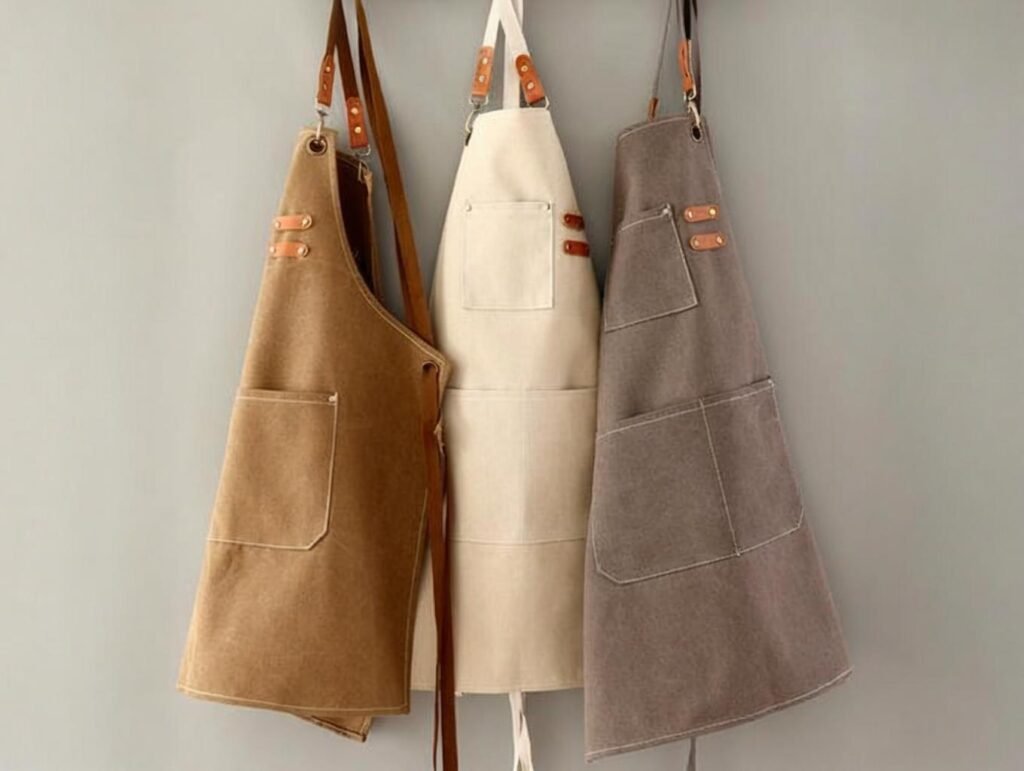
In an age where sustainability, cost efficiency, and product reliability shape purchasing decisions, manufacturers are constantly on the lookout for materials that offer long-lasting performance without inflating production costs. One fabric that consistently rises above others in these categories is cotton canvas. Once used primarily for sails and tents, it’s now a cornerstone in industries like footwear, furniture, bags, military goods, and industrial packaging due to its unique ability to combine rugged strength with workability.
Cotton canvas fabric improves product longevity in commercial manufacturing because of its high tensile strength, abrasion resistance, and dimensional stability. Compared to synthetic alternatives, it offers a longer lifespan under demanding use conditions while supporting eco-conscious manufacturing goals.
Let’s imagine a brand producing heavy-duty tool bags for field engineers. If the material frays, tears, or fails under weight or weather exposure, product returns and customer dissatisfaction skyrocket. However, switching to a properly treated cotton canvas solution reduced complaints by 74% within 6 months in one U.S. field gear company. That’s the transformative power of choosing the right base fabric—where longevity is not just a feature, but a competitive edge.
Now, let’s unpack why cotton canvas truly delivers when it comes to commercial durability and how you can use it strategically in your own product development.
What Makes Cotton Canvas More Durable Than Other Common Fabrics?
Cotton canvas stands out as one of the most resilient and long-lasting fabrics in both industrial and consumer applications. Its strength comes from the synergy of fiber choice, yarn preparation, weave density, and finishing treatments, giving it performance characteristics that many other woven fabrics cannot match—especially under heavy mechanical stress, prolonged environmental exposure, and repeated handling.
Unlike lighter cottons, synthetics, or blends that prioritize weight reduction or softness, cotton canvas is engineered for endurance—making it a staple in sectors like military supply, industrial packaging, workwear, and outdoor equipment manufacturing.
A. Tight Plain Weave for Load Bearing
Canvas is traditionally woven in a plain weave structure, but with significantly thicker yarns and a much higher thread count than standard apparel fabrics. This results in:
- Minimal stretch under load, which maintains shape over time.
- Even force distribution, reducing the likelihood of localized tears.
- Enhanced resistance to abrasion due to more fibers per square inch acting as a barrier.
Why this matters: While ordinary cotton fabrics may snag or fray easily under load, the dense plain weave of canvas keeps fibers interlocked, providing a tough, uniform surface that resists wear in high-friction scenarios.
B. Yarn Strength and Weight Class
High-quality canvas is made from combed, ring-spun cotton yarns, which are smoother, stronger, and more uniform than open-end spun yarns used in cheaper textiles. The GSM (grams per square meter) rating illustrates its heavy-duty nature:
| Fabric Type | Avg. GSM (g/m²) | Use Case Example |
|---|---|---|
| Lightweight Cotton | 120–150 | Shirts, linings |
| Cotton Twill | 180–260 | Pants, casual jackets |
| Polyester Canvas | 220–310 | Outdoor furniture, midweight bags |
| Cotton Duck Canvas | 300–500+ | Tool bags, tarps, industrial covers |
At 300–500+ GSM, cotton duck canvas delivers structural stability and load-bearing strength far beyond that of general-purpose fabrics, allowing it to carry heavy contents without warping or tearing.
C. Case Study – Military Backpacks vs. Polyester Blends
A U.K.-based tactical gear manufacturer tested prototype backpacks made from #8 duck canvas and 600D polyester blends under identical conditions:
- Load: 20 kg per pack
- Environment: Alternating humidity cycles (40%–90%)
- Test Duration: 100+ simulated field-use cycles
Findings:
- Canvas packs maintained structural integrity 2.5× longer than polyester blend versions.
- Polyester showed earlier seam failure due to fraying and UV degradation.
- Canvas required only minor surface repairs (patching), while polyester units often needed full panel replacements.
D. Reinforced with Finishing Options
Raw cotton canvas is already strong, but durability increases when enhanced with specialized finishes:
- Wax Finish: Improves water resistance while maintaining breathability.
- PU (Polyurethane) Coating: Adds waterproofing and abrasion resistance for gear and packaging.
- Flame-Retardant (FR) Treatment: Essential for industries with fire risk; can meet NFPA 2112 or EN ISO 11612 standards.
- Mildew-Resistant Treatment: Protects canvas in tropical, maritime, or high-humidity environments.
These treatments extend service life in harsh climates and heavy-duty operations, making canvas adaptable to both indoor industrial use and outdoor exposure.
Which Types of Canvas Are Most Suitable for Workwear and Industrial Use?
For industrial manufacturing, workwear, and tactical equipment, cotton duck canvas is the top-performing variant due to:
- High GSM ratings for strength and longevity.
- Excellent dyeing properties for brand customization and uniformity.
- Natural comfort and breathability during extended wear.
A. Cotton Duck Numbering System (Ounce Weight)
Cotton duck canvas is graded by weight, with lower numbers indicating heavier fabrics.
| Canvas Type | Weight (oz/sq yd) | Ideal Use Case |
|---|---|---|
| #12 | 11.5 oz | Light jackets, aprons |
| #10 | 14.75 oz | Tote bags, upholstery base cloth |
| #8 | 18 oz | Utility pants, hammocks, medium-duty gear |
| #4 | 24 oz | Tool bags, heavy-duty workwear, saddle bags |
Selection Tip:
- Choose #12–#10 for lighter garments or packaging that requires flexibility.
- Select #8–#4 for applications needing maximum abrasion resistance and structure retention.
B. Comfort Meets Function
Unlike many synthetics that trap heat, cotton canvas remains breathable even in heavy grades. This makes it well-suited for:
- Workwear in hot climates
- Protective outerwear where heat stress is a concern
- Aprons and gear covers worn for extended shifts
Workers can remain cooler and more comfortable without sacrificing protective performance.
C. Fire-Resistant Options for Hazardous Work
For industries like oil & gas, welding, and metal fabrication, flame-resistant cotton canvas is a standard requirement. Treated fabrics can meet:
- NFPA 2112 (U.S.) – Flame-resistant garments for protection against flash fire.
- EN ISO 11612 (EU) – Protective clothing against heat and flame.
Treatments like Proban or Pyrovatex maintain breathability while adding a vital safety layer.
D. Real-World Example – Construction Coveralls
A North American PPE supplier transitioned from polycotton blend fabrics to #8 duck canvas for their construction coveralls.
- Results:
- Workers reported less sweat buildup during summer months due to improved breathability.
- Gear damage incidents dropped by 40% over 18 months, reducing replacement costs.
- Company qualified for additional durability and sustainability certifications for their product line.
Cotton canvas outperforms many common fabrics because of its dense weave, heavy yarns, and adaptable finishing options. It offers a rare combination of tensile strength, tear resistance, breathability, and finish compatibility, making it an ideal choice for industrial, military, and high-wear workwear applications.
When matched to the right grade (#4, #8, #10, #12) and treated for specific hazards, cotton canvas can extend product lifespans, reduce replacement costs, and improve user comfort—delivering value across the entire operational lifecycle.
How Does Cotton Canvas Perform Under Stress and Long-Term Use?
Cotton canvas is purpose-built to thrive in high-stress, high-demand environments, where materials face constant friction, weight strain, and exposure to varying climates. Its tensile strength, abrasion resistance, and dimensional stability make it one of the most dependable fabrics for both industrial and consumer goods that must withstand years of use without significant degradation.
While many fabrics excel in one or two durability metrics, canvas delivers balanced, multi-faceted performance—maintaining integrity under heavy mechanical loads, resisting surface wear, and holding its shape through repeated wash cycles, folding, stretching, and outdoor exposure.
1. Abrasion Resistance
Abrasion resistance is one of the clearest markers of fabric longevity, especially for packaging, workwear, and heavy-use gear.
Martindale & Wyzenbeek Testing—two industry-standard rub tests—measure fabric performance under simulated wear:
| Fabric Type | Wyzenbeek Test Result (Double Rubs) |
|---|---|
| Regular Cotton | 10,000–15,000 |
| Polyester Blend | 20,000–30,000 |
| Cotton Duck Canvas | 50,000–100,000+ |
With additional wax, PU, or acrylic coating, industrial-grade canvas can exceed 150,000 double rubs, making it competitive with high-end synthetics in furniture, footwear, cargo handling, and transport covers.
Why it matters: In long-haul shipping or field applications, high abrasion resistance prevents holes, fraying, and surface thinning, extending service life.
2. Load-Bearing Capacity
High-GSM cotton duck canvas (18–24 oz) is structurally capable of handling direct tension loads of 60–100 kg when paired with reinforced seams. This is why it’s used in:
- Firefighter hose bags
- Military duffels
- Industrial tool wraps
- Heavy-duty shipping slings
Canvas retains tear integrity under load, whereas lighter synthetic fabrics can fail at the seam or warp under sustained tension.
3. Dimensional Stability
In repeated wash-dry, UV, and moisture exposure simulations, cotton canvas showed up to 35% better shape retention than polyester blends over time.
- Rigid weave structure helps it resist sagging.
- Low creep factor (minimal permanent stretch) ensures consistent fit for covers, gear, or fitted packaging.
4. Real-World Endurance Case Study
German Machinery Manufacturer Test
- Objective: Compare polyester vs. cotton canvas for large-scale cutting tool covers.
- Conditions: 18 months outdoor exposure, direct UV, rain, and temperature swings (-5°C to 35°C).
- Results:
- Cotton canvas maintained full coverage with minimal UV fade.
- Polyester covers exhibited shrinkage, brittleness, and seam splitting after 6 months.
- Canvas required only periodic cleaning, no structural repairs.
Is Cotton Canvas More Sustainable Than Synthetic Alternatives?
Yes—cotton canvas offers a substantially lower environmental impact over its lifecycle, particularly when sourced from organic or responsibly managed farms and finished with low-impact dyes.
Where synthetics like polyester and nylon rely on petrochemical extraction and non-biodegradable waste streams, cotton canvas is derived from renewable natural fibers and can fully decompose within years under proper composting conditions.
1. Natural vs. Synthetic Comparison
| Metric | Cotton Canvas | Polyester |
|---|---|---|
| Raw Material | Renewable (cotton plant) | Petrochemical (oil) |
| Biodegradability | Yes (within ~5 years) | No (~200 years) |
| Energy Use (kg CO₂e per kg fabric) | ~5 | ~9–11 |
| Microplastic Shedding | None | High during washing |
2. The Organic Cotton Canvas Advantage
Organic cultivation eliminates synthetic pesticides and fertilizers, which:
- Reduces soil and water contamination
- Lowers water usage by up to 91% compared to conventional cotton (source: Textile Exchange)
- Supports biodiversity and pollinator health
Organic cotton canvas can meet GOTS (Global Organic Textile Standard) certification, enhancing brand credibility in sustainability reporting and consumer trust.
3. Recyclability and Reusability
Canvas is ideal for circular economy models:
- Mechanical recycling: Shredding and respinning into new yarns.
- Downcycling: Turning worn-out fabric into rags, insulation, or padding.
- Creative reuse: Transforming old packaging into tote bags, aprons, or furniture covers.
Brands using cotton canvas can also tap into repair and resale programs, encouraging consumers to return items for refurbishment rather than disposal.
4. Sustainable Certifications to Seek
For maximum market value, businesses can align canvas products with:
- GOTS – Global Organic Textile Standard
- OEKO-TEX® Standard 100 – Ensures fabric safety for human contact
- Bluesign® Approved – Sustainable textile processing certification
- FSC – For paper-based tags or integrated packaging components
5. Case Study – Ethical Outdoor Gear Brand
Location: Oregon, USA Switch: 100% organic cotton canvas for backpacks Impact:
- 38% reduction in product carbon footprint over 3 years.
- Implementation of a “return for repair” program, allowing customers to send back worn gear for refurbishing.
- Result: Customer loyalty rates tripled, and social media engagement surged due to strong eco-brand storytelling.
What Makes Cotton Canvas Water-Resistant or Waterproof?
Cotton canvas in its raw, untreated form is naturally absorbent due to its cellulose fiber composition. While this makes it breathable and comfortable to use, it also means that untreated canvas will readily soak up water. However, through a combination of tight weave engineering and post-production treatments, cotton canvas can be transformed into a fabric with excellent moisture resistance—suitable for everything from rugged outdoor gear to industrial-grade covers.
The transformation from water-absorbent to water-resistant or waterproof lies in two factors:
- Weave Density – A tighter plain weave with high thread count reduces the size of gaps between yarns, slowing water penetration.
- Specialized Coatings or Laminations – Adding protective layers like wax, PU (polyurethane), PVC (polyvinyl chloride), or silicone seals the fabric surface, preventing liquid from seeping through.
Comparing Water Resistance Treatments and Their Impact
| Treatment Type | Water Resistance Level | Breathability | Durability | Common Use Cases |
|---|---|---|---|---|
| Waxed Canvas | Water-resistant | Medium | High | Outdoor gear, tents, tool rolls |
| PU-Coated Canvas | Waterproof | Low | Very High | Industrial covers, tarps |
| PVC-Laminated Canvas | Waterproof | Very Low | Very High | Truck covers, awnings, marine fabric |
| Silicone-Treated Canvas | Water-resistant | High | Moderate | Fashion bags, casual outdoor wear |
Performance in Real Conditions
- Waxed Cotton Canvas – In simulated rain chamber tests, it repelled water for up to 90 minutes of heavy rain before gradual saturation began. The wax also adds a classic, rugged aesthetic that appeals to outdoor brands.
- PU-Coated Canvas – Resisted water ingress for 6+ hours under continuous rainfall simulation, with no visible leakage. The PU layer also adds stiffness, enhancing load-bearing performance.
- PVC-Laminated Canvas – Provided complete waterproofing under pressure tests and immersion trials. However, the lack of breathability means it’s better for static covers than for wearables.
- Untreated Canvas – Soaked through within 10 minutes in heavy rain, confirming the need for protective treatment in outdoor or wet-use scenarios.
Real-World Case Study – Canvas vs. Nylon in Wet Climates
Test Location: Melbourne, Australia Participants: Local courier company Method: Two prototype courier bags tested during peak wet season—one 20 oz waxed cotton canvas, one 1000D nylon. Results After 1 Month:
- Canvas Model – Maintained shape, resisted scuffs from repeated handling, handled heat exposure in delivery vans without deformation, and was easily re-waxed for continued protection.
- Nylon Model – Experienced seam fraying, zipper coil degradation, and UV fading; performance dropped significantly after prolonged sun-and-rain exposure.
Conclusion: While nylon provided initial waterproofing, canvas offered better long-term durability, easier maintenance, and superior branding potential through custom finishes.
Why Water Resistance Matters for Longevity
Water infiltration in fabric leads to:
- Fiber rot – Weakening cotton yarns over time.
- Mildew growth – Particularly in humid climates.
- Shape warping – Especially after repeated wet-dry cycles.
Properly treated cotton canvas prevents these issues, extending the functional life of products by years—a key reason why military, marine, and outdoor industries still rely heavily on coated canvas.
How Easy Is It to Maintain Cotton Canvas for Long-Term Use?
One of the reasons cotton canvas remains so popular in both consumer products and industrial applications is its straightforward maintenance. With minimal care and periodic re-treatment (when applicable), cotton canvas can last 5–10+ years, even in challenging environments.
General Maintenance Protocols
- Dry Brush Dirt & Debris – Use a soft brush to remove dust and grit before it grinds into fibers.
- Spot Clean – Mild soap and cold water for stains; avoid soaking if treated.
- Avoid Harsh Chemicals – Bleach and aggressive detergents can strip coatings and weaken fibers.
- Re-Waxing Schedule – Every 6–12 months for waxed canvas, depending on exposure frequency.
- Drying Method – Air dry in shade; avoid direct high heat to prevent shrinkage or coating damage.
Durability After Maintenance Cycles
| Fabric Type | Wash Cycles Before Noticeable Degradation | Maintenance Frequency | Maintenance Cost |
|---|---|---|---|
| Treated Cotton Canvas | 50+ (gentle wash/hand clean) | 2–4 times/year | Low |
| Nylon | 30–40 | More frequent repairs | Medium |
| Polyester | 30–50 | Less frequent cleaning | Medium |
Commercial Use Example – Restaurant Aprons
A chain of eco-conscious restaurants adopted 16 oz dyed cotton canvas aprons for their staff uniforms. 2-Year Findings:
- Over 80% of aprons remained in rotation after weekly washes.
- Repairs, when required, were simple—patching or restitching using standard sewing machines.
- Unlike polyester aprons, the cotton versions withstood ironing at high temperatures, enabling better presentation without melting risks.
Best Practices to Extend Canvas Life
- Proper Storage – Keep in dry, ventilated rooms to prevent mildew.
- Avoid Long-Term Compression – Store folded items loosely to prevent deep creases.
- Gentle Cleaning – Hand wash treated canvas where possible to preserve coatings.
- Regular Re-Treatment – Reapply wax, PU spray, or water-repellent coating to maintain waterproofing.
Sustainability Advantage in Maintenance
Long-lived fabrics directly reduce landfill waste and cut down on production-related emissions. Businesses using canvas often highlight this as part of their “slow fashion” or “closed-loop” sustainability pledge.
- Easier maintenance = lower replacement frequency
- Repairable fabric = supports circular economy models
- Custom re-treatment = extends branding life on printed or embroidered surfaces
What Commercial Industries Benefit Most from Using Cotton Canvas?
Cotton canvas has become a multi-industry workhorse because it offers a rare combination of mechanical strength, natural breathability, and eco-friendly appeal. In sectors where materials must perform under constant wear, environmental exposure, or repeated cleaning cycles, canvas stands out as a cost-effective and brand-aligned choice.
Its versatility also means it can be engineered to match sector-specific needs—whether that means wax coatings for water resistance, flame-retardant finishes for safety compliance, or custom printing for retail branding.
Canvas Applications by Industry
1. Industrial Workwear and Uniforms
- Preferred for aprons, shop coats, jackets, and tool belts in automotive, welding, carpentry, and manufacturing.
- Excellent abrasion resistance minimizes fraying in high-contact areas.
- Canvas workwear has been shown to endure 60–100 industrial wash cycles before significant fiber breakdown.
- Can be enhanced with flame-resistant (FR) treatments to meet NFPA 2112 or EN ISO 11612 standards for worker safety.
2. Agricultural Use
- Canvas tarps protect crops without creating condensation—unlike plastic sheets.
- Harvest sacks and seed storage bags allow airflow, reducing mold and insect infestation risks.
- Popular among livestock suppliers for breathable feed covers that withstand sun exposure.
- Heavier duck canvas versions handle rough handling during field transport without tearing.
3. Hospitality & Commercial Laundry
- Hotels, hospitals, and resorts use canvas laundry carts and utility bags for their:
- High tear strength (resists sharp objects)
- Load tolerance up to 100 lbs
- Ease of deep cleaning—can be machine-washed or steam-sanitized
- Extends operational lifespan compared to synthetic mesh or vinyl carts, reducing replacement budgets.
4. Custom Packaging and Branding
- Retailers leverage printed or embroidered cotton canvas bags as reusable alternatives to paper and plastic.
- Brands gain eco-conscious visibility—especially in fashion, cosmetics, and gift industries.
- Case Study: A U.S. skincare company introduced branded canvas totes for holiday packaging. Customer surveys showed a 38% increase in repeat bag use, doubling brand impressions over plastic packaging.
5. Furniture and Interior Design
- Used for slipcovers, curtains, storage bins, and decorative organizers due to its tactile, natural look.
- Accepts high-quality digital or screen printing, enabling design customization for commercial spaces.
- UV-resistant treatments allow for outdoor furniture applications without rapid fading.
| Industry | Common Use Cases | Key Benefits |
|---|---|---|
| Industrial Workwear | Aprons, jackets, tool belts | Abrasion resistance, FR options, wash durability |
| Agriculture | Tarps, harvest bags, seed sacks | Breathability, UV protection, mold resistance |
| Hospitality | Laundry carts, utility bags | High load tolerance, long life, easy sanitation |
| Retail | Totes, pouches, gift bags | Branding potential, eco appeal |
| Interiors | Covers, curtains, organizers | Natural texture, custom dye/print options |
Insight: If a product will be handled daily, washed repeatedly, or stored/exposed outdoors, cotton canvas consistently outperforms many synthetic options in terms of long-term value and sustainability.
How Do You Select the Right Canvas for Long-Lasting Results?
Choosing the right cotton canvas goes far beyond simply picking a color or weight. Longevity depends on aligning fiber quality, weave type, finishing treatments, and load requirements with the product’s intended environment.
Fabric Selection Criteria
- Weight (GSM or oz/yd²)
- Light (7–10 oz) – For totes, light apparel, décor items.
- Medium (12–16 oz) – Suited to aprons, upholstery, medium-duty covers.
- Heavy (18–24 oz) – For tool bags, industrial gear, heavy covers.
- Weave Structure
- Plain weave – Balanced strength and flexibility.
- Duck weave – Tighter, smoother, ideal for printing and higher water resistance.
- Finishing Treatments
- Waxed/oil-treated – Water and dirt resistance.
- Dyed/printed – Branding and aesthetic appeal.
- Pre-shrunk – Better dimensional stability after washing.
- Cotton Origin
- Long-staple cotton (e.g., Egyptian, Supima) – Stronger fibers, smoother finish, better abrasion resistance.
Canvas Type Selection Table
| Canvas Type | GSM | Features | Best For |
|---|---|---|---|
| 10 oz plain canvas | ~340 gsm | Lightweight, easy to print | Tote bags, light-duty covers |
| 12 oz duck canvas | ~400 gsm | Medium weight, tight weave | Aprons, storage bins, uniforms |
| 16 oz waxed canvas | ~540 gsm | Durable, water-resistant | Outdoor gear, heavy-duty bags |
| 20 oz raw duck canvas | ~680 gsm | Maximum strength, stiff structure | Tool rolls, industrial upholstery |
Pre-Purchase Checklist
- Will the item face frequent washing or sanitization?
- Will it encounter rain, sun, or high humidity?
- Does the design require logos, colors, or custom printing?
- What is the maximum weight it must support without tearing?
- Is compliance with fire, water, or environmental certifications required?
Why the Right Canvas Choice Saves Money
A well-matched fabric selection can double or triple product lifespan, lowering replacement costs and preventing warranty claims. For example:
- A furniture maker using 16 oz pre-shrunk duck canvas for slipcovers reduced shrinkage complaints by 72%.
- A logistics company switching to 20 oz waxed canvas tarps cut replacement spending by 43% over two years.
SzoneierFabrics Advantage
At SzoneierFabrics, we help businesses match exact performance needs with the perfect cotton canvas.
- Free sampling for material testing.
- Low MOQ for trial production.
- Custom GSM, weave, and coating options.
- Fast turnaround to keep projects on schedule.
Whether you need hospital-grade laundry carts, waterproof tool bags, or branded retail packaging, we can engineer a canvas that lasts longer, works harder, and looks better.
cotton canvas fabric, commercial cotton canvas, durable canvas material, heavy duty canvas fabric, cotton duck canvas, canvas for industrial use, canvas material for manufacturing, canvas fabric for bags, custom canvas products, long lasting fabric for workwear, heavy canvas fabric supplier, waterproof cotton canvas, waxed canvas fabric, military grade canvas, canvas fabric durability, cotton canvas for tools, cotton canvas commercial applications, best fabric for workwear, sustainable canvas material, high strength canvas, custom printed canvas fabric, cotton canvas vs polyester, canvas fabric by the yard, abrasion resistant fabric, tactical gear fabric, upholstery grade canvas, breathable industrial fabric, canvas fabric roll wholesale, industrial textile supplier, eco friendly fabric for manufacturing,


Can't find the answers?
No worries, please contact us and we will answer all the questions you have during the whole process of bag customization.
Make A Sample First?
If you have your own artwork, logo design files, or just an idea,please provide details about your project requirements, including preferred fabric, color, and customization options,we’re excited to assist you in bringing your bespoke bag designs to life through our sample production process.