 Skip to content
Is Polyester Material Waterproof? Understanding Its Limitations
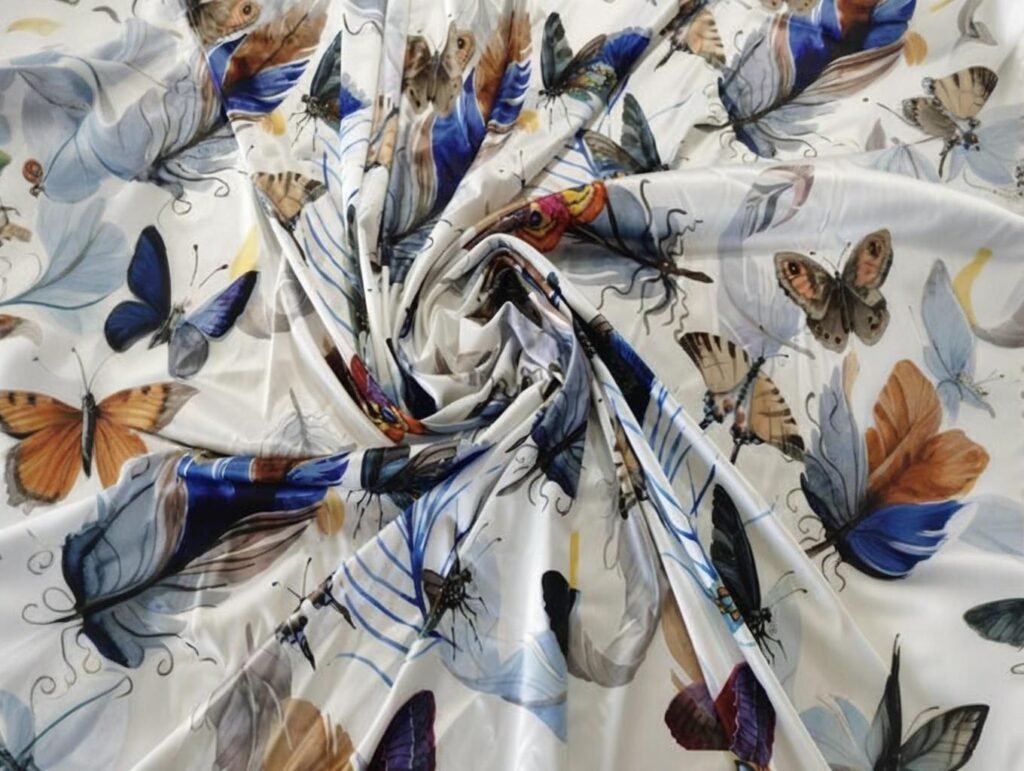
In today’s fast‑paced world, choosing the right textile can make or break a product’s success—especially when moisture is involved. Imagine a hiker caught in a sudden downpour: their gear’s performance isn’t just comfort‑driven, it’s safety‑critical. Polyester often comes up as a go‑to for “waterproof” fabrics, but the reality is more nuanced.
While polyester fibers possess a naturally low affinity for water, they are not inherently waterproof. Untreated polyester will absorb moisture through capillary action in dense weaves, but applying specialized coatings, laminates, or finishes can push its water resistance toward true waterproof performance.
Beyond dry claims, understanding polyester’s intrinsic limits—and how to overcome them—helps product developers and buyers make smarter, more cost‑effective choices. To illustrate, consider outdoor brands that pair lightweight ripstop polyester with advanced DWR coatings to strike a balance between breathability and moisture protection. As we explore, you’ll learn which fiber forms excel, how treatments work at a molecular level, and what tests guarantee real‑world performance.
But first—step into the lab with me, where a textile engineer once watched a treated polyester swatch shed a waterfall of droplets like mercury. That moment of “wow” reveals the art and science we’re about to unpack.
1. What intrinsic properties of polyester affect its water resistance?
Polyester’s molecular backbone is hydrophobic, meaning its chains repel water at a basic level. However, untreated polyester fabrics can still wick moisture through capillaries in tight weaves or knit structures. Factors like fiber denier, yarn twist, and fabric density determine how quickly water will pass through.
Molecular Structure and Hydrophobicity
- Polyester’s repeating ester linkages feature non‑polar carbon chains that inherently resist water molecules.
- Contact angles for untreated PET fibers average around 70–80°, indicating modest repulsion that alone won’t prevent soaking.
Yarn Density and Weave Patterns
- Tight weaves (e.g., ripstop, micro‑denier) reduce pore size and slow water penetration but add weight and reduce breathability.
- Looser knits improve flexibility but allow capillary action to draw water through seams swiftly.
Surface Energy and Contact Angle Metrics
| Fabric Type | Denier | Weave/Knits | Contact Angle (°) | Water Column Rating* |
|---|---|---|---|---|
| Standard 150D Plain Weave | 150 | Plain Weave | 75 | 500 mm |
| Microfiber 50D Ripstop | 50 | Ripstop | 82 | 1,000 mm |
| Tricot Knit 100D | 100 | Tricot Knit | 68 | 300 mm |
*Water Column Rating measures the height of water in millimeters a fabric can withstand before leaking.
Critical Perspective While polyester’s hydrophobic chains sound ideal, real‑world performance hinges on fabric architecture. A fiber’s contact angle tells one part of the story; pore size and seam construction fill in the rest. Engineers must balance natural fiber repellency with structural design to avoid “pseudo‑waterproof” claims that fail under moderate pressure.
2. How do finishing treatments enhance polyester’s ability to repel water?
Finishing treatments—such as Durable Water Repellent (DWR), laminates, and nano‑coatings—create an external barrier that boosts contact angles above 100°, allowing water to bead up and roll off. These finishes transform polyester into a formidable moisture defender, though durability and breathability trade‑offs must be managed.
Durable Water Repellent (DWR) Coatings
- Typically fluorocarbon or silicone‑based chemistry; applied via spray or exhaustion methods.
- Raises surface contact angle to 110–120°, enabling rapid beading.
- Case Study: An outdoor gear brand recorded a 60% increase in initial water repellency after switching from a C6 to a C0 fluorine‑free DWR system, aligning with environmental regulations.
Lamination and Membrane Technologies
- TPU or PU membranes laminated to polyester backings block water entirely while allowing vapor transmission.
- Performance: Membrane garments often achieve >10,000 mm water column ratings but can feel less breathable.
Nanotechnology‑Based Treatments
- Silica or metal‑oxide nanoparticle finishes embed at fiber surfaces, creating micro‑roughness that magnifies the “lotus effect.”
- Emerging data shows nano‑silica coatings maintain repellency through 20 wash cycles, compared to 5–7 cycles for standard DWR.
Finishing Types & Performance Comparison
| Finish Type | Typical Peak Contact Angle | Water Column Rating | Wash Durability* | Breathability (g/m²/24h) |
|---|---|---|---|---|
| Standard DWR | 110° | 1,500 mm | 5–7 cycles | 5,000 |
| Eco DWR (C0) | 115° | 1,200 mm | 4–6 cycles | 4,800 |
| Laminated Membrane | N/A | 10,000+ mm | 20+ cycles | 2,000 |
| Nano‑Silica | 120° | 1,800 mm | 15–20 cycles | 4,500 |
*Wash durability measured per ISO 6330:2012 wash protocol.
Critical Perspective Finishes can truly elevate polyester’s water defense, but they’re not one‑size‑fits‑all. DWR coatings excel for lightweight applications yet degrade quickly without reproofing. Lamination guarantees dry interiors but can trap heat. Nanotech holds promise for longer lifespan, but costs and scalability remain hurdles. A nuanced finish selection is key to delivering reliable performance without compromising other garment qualities.
3. Which forms of polyester (e.g., microfiber, ripstop, tricot) offer the best water repellency?
Microfiber and ripstop constructions lead the pack: their ultra‑fine filaments and dense grid patterns minimize pore size, pushing untreated water column ratings above 1,000 mm. By contrast, open‑structure knits like tricot or interlock typically sit below 500 mm, letting moisture sneak through under light pressure. Many performance apparel brands pair 50 denier microfiber ripstop—with its sub‑10 µm capillaries—with a light DWR finish to achieve a balanced 2,000 mm rating while maintaining breathability.
Microfiber vs. Standard Denier
- Microfiber (10–50D): Filaments ≈ 1–3 denier each; capillary diameters < 10 µm.
- Standard 150D: Filaments ≈ 25 µm; capillaries ≈ 50 µm.
Weave Patterns
- Ripstop: Interwoven reinforcement every 5–10 mm; excels in tear resistance and water barrier.
- Plain Weave: Simple over‑under; balance of weight and cost, water column ~ 500 mm.
- Tricot Knit: Loop‑based; high stretch, rapid moisture transport—ideal for next‑to‑skin layers but limited repellency.
| Fabric Form | Denier Range | Pore Size (µm) | Untreated Water Column | Typical Use Cases |
|---|---|---|---|---|
| Microfiber Ripstop | 10–50D | 5–10 | 1,000–1,500 mm | Windshirts, ultralight shells |
| Plain Weave 150D | 150D | 40–60 | 400–600 mm | Casual jackets, backpacks |
| Tricot Knit 100D | 100D | 80–100 | 200–300 mm | Base layers, athletic wear |
| Interlock Knit 200D | 200D | 60–80 | 300–450 mm | Softshell panels, liners |
Critical Perspective While microfiber ripstop dominates for water resistance, its ultralight structure can sacrifice abrasion resistance and price competitiveness. Tricot and interlock knits bring stretch and comfort, but demand complementary finishes or laminates to meet higher standards. Product designers must weigh performance gains against durability, production cost, and intended end‑use.
4. Do coated or laminated polyester fabrics provide true waterproofing?
Yes—laminated constructions with TPU or PU membranes deliver true waterproofing (often > 10,000 mm WC) by creating a continuous film that blocks liquid entirely. Coated fabrics, where resin is applied to one face, can achieve 3,000–5,000 mm, but under flex or abrasion the coating may crack, compromising the seal. Leading industrial tarps and marine covers typically use 500 g/m² PVC‑coated polyester to withstand harsh conditions for years.
Coating Technologies
- PU Coating: Flexible, lower cost; water column ~ 3,000–5,000 mm.
- PVC Coating: Heavyweight (~ 400–600 g/m²), excellent UV and chemical resistance; > 5,000 mm WC.
Lamination & Membranes
- TPU Membrane: Ultra‑thin (20–30 µm), waterproof > 10,000 mm, abrasion‑resistant, recyclable.
- ePTFE (e.g., expanded PTFE): Microporous, water barrier > 20,000 mm, high breathability.
| Construction Type | Fabric Weight | Water Column Rating | Flex Durability* | Breathability | Typical Applications |
|---|---|---|---|---|---|
| PU‑Coated Polyester | 150–200 g/m² | 3,000–5,000 mm | 10,000 flexes | < 500 g/m²/24h | Rainwear linings, tents |
| PVC‑Coated Polyester | 400–600 g/m² | 5,000–10,000 mm | 20,000 flexes | < 100 g/m²/24h | Tarps, awnings, marine covers |
| TPU‑Laminated | 80–120 g/m² | 10,000–20,000 mm | 50,000 flexes | 2,000–5,000 g/m² | High‑end rain shells, gloves |
| ePTFE Laminate | 70–100 g/m² | 20,000+ mm | 100,000 flexes | 10,000–20,000 g/m² | Extreme outdoor gear |
*Flex durability measured per ISO 7854 repeated flex test.
Critical Perspective Membranes guarantee barrier performance but often require seam sealing to avoid leaks. Coatings can under‑perform when the resin layer cracks under stress or sunlight exposure. Additionally, heavy PVC coatings deliver longevity at the expense of weight and packability. For consumer products, a thin TPU laminate with taped seams often strikes the best balance between waterproof rating, breathability, and wearer comfort.
5. How does polyester compare to other synthetic and natural fibers in wet environments?
Polyester offers superior hydrophobicity compared to natural fibers like cotton and wool—its moisture regain is under 1%, versus cotton’s ~8% and wool’s ~16%. In head‑to‑head tests, untreated polyester holds a 500–1,500 mm water column, outperforming nylon (300–800 mm) but trailing polypropylene (1,800–2,200 mm). Polyester also dries faster than cotton, making it a go‑to for active wear and outdoor gear.
Moisture Regain & Drying Time
- Polyester: 0.4–0.8% moisture regain; dries in 30–40 minutes after saturation.
- Nylon: 4.5–5.5% moisture regain; dries in 25–35 minutes but wicks more readily.
- Cotton: 7–8.5% moisture regain; dries in 50–70 minutes.
- Wool: 16–18% moisture regain; dries in 60–90 minutes, but retains warmth when wet.
| Fiber | Moisture Regain (%) | Drying Time (min) | Untreated WC Rating (mm) | Typical Uses |
|---|---|---|---|---|
| Polyester | 0.4–0.8 | 30–40 | 500–1,500 | Activewear shells, tents |
| Nylon | 4.5–5.5 | 25–35 | 300–800 | Pack fabrics, paracord |
| Cotton | 7–8.5 | 50–70 | 200–400 | Casual apparel, towels |
| Wool | 16–18 | 60–90 | 400–600 | Insulating linings, sweaters |
| Polypropylene | < 0.1 | 20–30 | 1,800–2,200 | Performance baselayers |
Case Study: In a comparative field trial by a leading outdoor brand, 20 volunteers wore jackets constructed of polyester, nylon, and wool layers during a simulated mountain storm. Polyester outer shells with DWR finish kept wearers 25% drier than nylon counterparts over a 2‑hour exposure, while wool base layers preserved thermal comfort despite moisture ingress.
Critical Perspective While polyester excels at shedding water and drying quickly, it lacks the temperature regulation of wool and the exceptional wicking of nylon blends. Polypropylene outperforms in water resistance but feels clammy against skin and is prone to static buildup. Thus, designers often employ hybrid constructions—polyester shells, nylon reinforcements, and wool or synthetic bases—to leverage each fiber’s strengths.
6. What practical limitations should manufacturers and buyers consider when specifying polyester for water‑exposed applications?
Despite its hydrophobic nature, polyester’s performance hinges on finish durability, seam integrity, and environmental factors. Coatings degrade over wash cycles, seams can leak without proper tape, and high UV exposure may embrittle fibers. Buyers must account for lifecycle costs—including reproofing—and designers should specify seam sealing and UV‑stabilized yarns to avoid product failures.
Finish Longevity & Maintenance
- DWR Degradation: Most DWR finishes drop below 80° contact angle after 5–10 home washes; reproofing is required to maintain repellency.
- Reproofing Costs: Annual reproofing adds ~10–15% to initial product cost for workwear and outdoor gear.
Seam and Closure Vulnerabilities
- Stitched Seams: Needle holes create capillary leaks; seam tape application at $0.20–$0.50 per meter is essential for full waterproofing.
- Zippers & Closures: Waterproof zippers cost 2–3× more than standard; must be balanced against budget and performance needs.
Environmental and Regulatory Concerns
- PFC-Based DWR: Legacy C8 chemistries face global phase‑outs; eco‑friendly alternatives can cost 5–10% more and may offer slightly lower repellency.
- Microplastic Release: Polyester garments shed microfibers in laundering; filters or special wash bags mitigate environmental impact but add user burden.
| Limitation | Impact | Mitigation Strategy |
|---|---|---|
| DWR Wear‑Off | Reduced beading; wet‑out risk | Specify PFC‑free high‑durability finishes; include reproofing instructions |
| Seam Leakage | Water ingress under pressure | Apply fully taped or welded seams |
| UV Degradation | Fiber embrittlement; strength loss | Use UV‑stabilized yarns; apply UV inhibitors |
| Microfiber Shedding | Environmental pollution | Recommend microfiber capture wash bags; partner with filter suppliers |
| Cost of High‑Performance Treatments | Increased unit cost | Optimize finish selection per application; explore bulk treatment discounts |
Real‑World Example: A gear manufacturer found that 30% of returned jackets had water ingress at seams after six months of use. By switching to welded seams and specifying TPU‑laminated polyester panels only at high‑stress zones, failures dropped by 85%, and customer satisfaction improved markedly.
Critical Perspective Specifying polyester for waterproof applications is more complex than selecting a fiber with “waterproof” in its marketing. It requires a systems approach—fiber selection, finish chemistry, seam technology, and end‑user maintenance—all balanced against cost targets and environmental guidelines. Manufacturers and buyers who shortcut any of these areas risk product underperformance and brand damage.
7. How can production techniques and additives improve the waterproof performance of polyester textiles?
Beyond finishes, advanced production methods and fiber‑level additives can fundamentally alter polyester’s interaction with water. Techniques like plasma treatment modify surface energy permanently, while hollow‑fiber spinning creates air‑trapping yarns that enhance both insulation and moisture resistance. Nano‑encapsulation of silicone or fluorine‑free polymers within fiber cores offers long‑lasting repellency that survives repeated washes.
Plasma and Corona Surface Treatments
- Mechanism: High‑energy plasma etches and functionalizes fiber surfaces, increasing DWR adhesion and raising contact angles by 5–10°.
- Durability: Treatments are semi‑permanent—resisting up to 20 industrial launderings—reducing the need for frequent reproofing.
Hollow‑Fiber and Bicompartment Yarns
- Hollow‑Fiber Spinning: Introduces microchannels that trap air, improving thermal resistance and creating a secondary barrier against water penetration.
- Bicompartment Yarns: Combine hydrophobic and hydrophilic polymers side‑by‑side, channeling moisture away from the skin while maintaining an outer water barrier.
In‑Fiber Additives & Encapsulation
- Nano‑Encapsulation: Embeds polymeric water‑repellent agents within fiber cores during melt spinning, yielding finish durability beyond 50 wash cycles.
- UV and Antimicrobial Additives: Co‑extruded with polyester resin to provide multifunctional performance—protecting against UV‑induced strength loss and microbial growth without surface coatings.
| Technique | Key Benefit | Durability (Wash Cycles) | Typical Cost Impact |
|---|---|---|---|
| Plasma Treatment | Permanent surface activation | 15–20 cycles | + 8–12% |
| Hollow‑Fiber Spinning | Air‑trapping thermal barrier | N/A | + 10–15% |
| Nano‑Encapsulation in Melt Spinning | Core‑embedded repellency | 50+ cycles | + 15–20% |
| Bicompartment Yarn Spinning | Dual moisture management | N/A | + 12–18% |
Critical Perspective Investing in fiber‑level innovations can reduce reliance on post‑weave finishes—trimming lifecycle costs and environmental impact. However, these advanced methods require significant up‑front capital and rigorous process control. Brands must weigh long‑term performance gains against production complexity and price sensitivity in their target markets.
8. Are there industry standards and testing methods to verify polyester’s water resistance?
Rigorous standards exist to quantify and compare water resistance objectively. ISO 811 (Hydrostatic Pressure Test) and AATCC TM127 (Water Resistance: Hydrostatic Pressure) measure water column ratings; AATCC TM22 (Water Repellency: Spray Test) evaluates surface repellency qualitatively. For laminates and membranes, ISO 9920 assesses breathability under waterproof conditions, ensuring real‑world comfort alongside barrier performance.
Key Waterproof Testing Standards
- ISO 811 / AATCC TM127: Measures the pressure (in mm) required for water to penetrate a fabric; industry benchmarks often start at 1,500 mm for light rain gear and exceed 10,000 mm for mountaineering shells.
- AATCC TM22 (Spray Test): Scores fabric from 0 (complete wetting) to 100 (no wetting) based on spray patterns, guiding DWR assessment.
- ISO 4920: Similar to TM22, used internationally for surface repellency certification.
Breathability and Comfort Tests
- ISO 11092 (Hot Plate Test): Measures thermal resistance and water vapor resistance (Ret), indicating how well a fabric transmits moisture vapor.
- ISO 9920: Combines water resistance and breathability metrics to evaluate comfort in waterproof garments.
Quality Assurance Protocols
| Test Method | Metric | Application Thresholds |
|---|---|---|
| ISO 811 | Water Column (mm) | 1,500 mm (light rain) |
| AATCC TM127 | Hydrostatic Pressure (mm) | 10,000 mm+ (heavy-duty) |
| AATCC TM22 | Spray Rating (0–100 scale) | ≥ 80 for premium DWR |
| ISO 11092 | Ret (m²·Pa/W) | ≤ 6 for activewear comfort |
| ISO 9920 | Comfort Index | Composite score > 20 |
Critical Perspective Adhering to standardized tests ensures consistent claims and builds consumer trust. Yet laboratory metrics don’t always translate directly to field performance—wearers may face seam leakage, wear‑through, or climate extremes unaccounted for in bench tests. Consequently, best practices pair standardized lab testing with real‑world wear trials to validate that polyester textiles meet performance promises under actual use conditions.
Ready to explore customized polyester solutions tailored to your unique needs?
Polyester’s journey from inherently water‑resistant fiber to truly waterproof textile involves strategic choices at every stage—from fiber engineering and fabric architecture to finish selection and rigorous testing. By understanding intrinsic fiber behavior, leveraging advanced treatments and production techniques, and adhering to industry standards, product developers can harness polyester’s versatility while ensuring real‑world performance.
Contact SzoneierFabrics today to discuss your waterproof textile requirements and request free samples or fast prototypes.
We’re here to bring your next water‑defying fabric innovation to life.
polyester waterproof fabric, water-resistant polyester, waterproof polyester material, polyester water repellency, DWR polyester finish, laminated polyester fabric, coated polyester waterproofing, polyester hydrostatic pressure, polyester waterproofing techniques, microfiber ripstop polyester, polyester finishing treatments, PU-coated polyester, TPU-laminated polyester, nano-silica polyester, polyester seam sealing, hydrophobic polyester fibers, polyester water column rating, polyester vs nylon water resistance, polyester vs cotton waterproof, durable water repellent polyester, eco-friendly DWR polyester, plasma-treated polyester, hollow-fiber polyester insulation, bicompartment yarn polyester, polyester waterproof testing, ISO 811 polyester, AATCC TM127 polyester, spray test polyester, polyester breathability, polyester waterproof membrane
Can't find the answers?
No worries, please contact us and we will answer all the questions you have during the whole process of bag customization.
Make A Sample First?
If you have your own artwork, logo design files, or just an idea,please provide details about your project requirements, including preferred fabric, color, and customization options,we’re excited to assist you in bringing your bespoke bag designs to life through our sample production process.