 Skip to content
Polyester Cotton Shrinkage and Colorfastness in Commercial Use
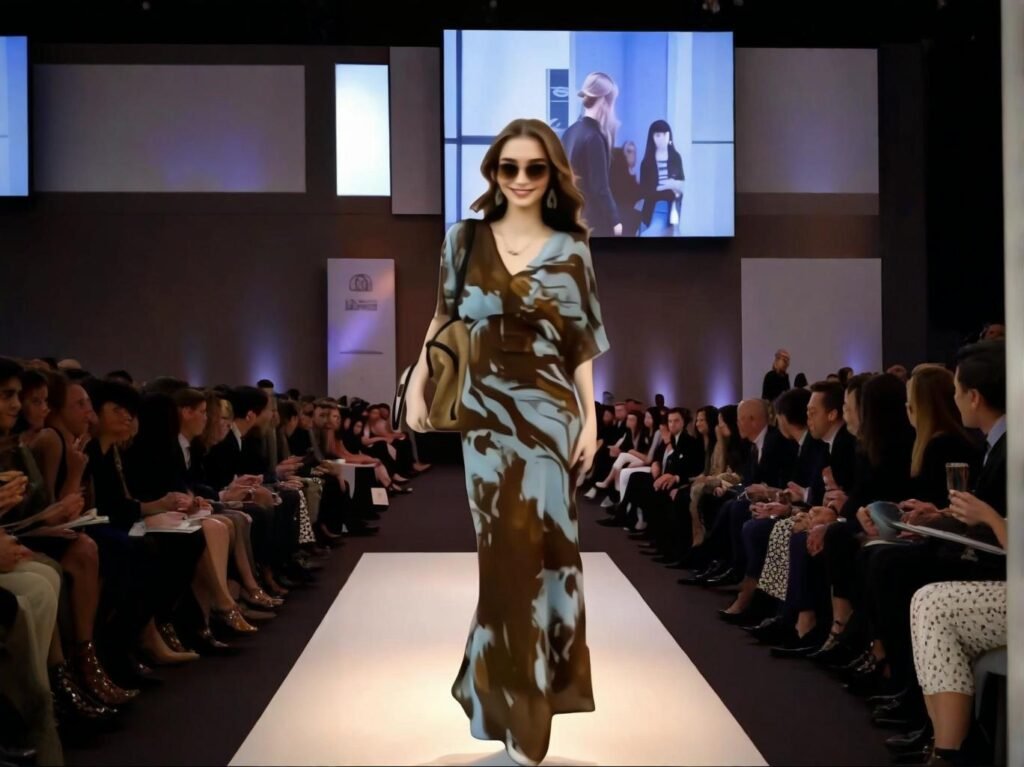
Polyester cotton blends—often hailed as the best of both worlds—are the go-to choice for uniforms, workwear, hotel linens, and commercial fashion collections. They offer the durability of polyester with the softness and breathability of cotton. But beneath the surface lies a critical challenge: maintaining dimensional stability and color vibrancy through repeated washes, high-temperature drying, and friction-heavy environments. Polyester cotton fabric is prone to moderate shrinkage and potential color fading in commercial use, especially when cotton content is high and proper finishing is lacking.
In a world of bulk laundry cycles, aggressive detergents, and high-pressure ironing, even the most carefully constructed garments can lose their shape or look aged before their time. Imagine a restaurant chain that rolled out 10,000 polyester-cotton blend uniforms. After just two months, over 30% of the garments showed visible puckering and shade inconsistencies across the chest logo area. Why? Inadequate fabric pre-treatment, poor stitching shrinkage compensation, and low-grade reactive dyes. Stories like this highlight why understanding shrinkage and colorfastness isn’t just technical—it’s operational.
Let’s unravel the science and real-world practices behind polyester cotton performance in demanding commercial environments.
1. What Causes Shrinkage in Polyester Cotton Blended Fabrics?
Shrinkage in polyester cotton fabrics is primarily caused by the cotton fibers’ response to heat, moisture, and mechanical stress during washing and drying. Polyester stabilizes the structure, but doesn’t eliminate shrinkage entirely.
Root Causes of Shrinkage in Poly-Cotton Blends
1. Fiber-Level Behavior
| Fiber Type | Shrinkage Tendency | Notes |
|---|---|---|
| 100% Cotton | High (up to 8–10%) | Swells and relaxes when wet and heated |
| 100% Polyester | Very Low (<1%) | Thermally stable, doesn’t swell much |
| 65/35 Poly-Cotton | Low to Medium (2–4%) | Balance depends on weave and finish |
- Cotton tends to shrink as its cellulose fibers swell and then contract during drying.
- Polyester acts as a structural frame—but can only partially prevent overall shrinkage.
2. Fabric Construction and Weave Type
- Tight weaves (like poplin or twill) shrink less than loose weaves (like jersey or open knits).
- Plain weave polycotton is more stable than knitted polycotton blends.
3. Mechanical Finishing Techniques
- Pre-shrinking (Sanforization) can reduce final shrinkage to under 2%.
- Calendering or compacting treatments help lock yarns in place.
4. Heat and Washing Factors
- Commercial laundries often wash at 60–90°C, which triggers dimensional shifts.
- Industrial tumble drying also causes fiber tightening.
5. Stitching Technique and Shrinkage Allowance
- If stitching does not account for fabric relaxation, seams may pucker post-wash.
Real Case Study: A Singapore-based hotel sourced 5000 polycotton pillowcases (80/20 blend). Despite pre-wash treatment, shrinkage exceeded 5% due to lack of heat-setting. After guest complaints and a batch rework, they switched to 65/35 fabric, reducing shrinkage to 1.8% and improved replacement lifespan by 30%.
Shrinkage Comparison by Blend Ratio
| Blend Ratio | Avg. Shrinkage (After 3 Washes) | Suitable Use Case |
|---|---|---|
| 100% Cotton | 6–10% | Home use, casual fashion |
| 80/20 Cotton/Poly | 4–6% | Bedsheets, light uniforms |
| 65/35 Poly/Cotton | 2–4% | Commercial uniforms, workwear |
| 50/50 Blend | <2.5% | T-shirts, blended outerwear |
2. How Does Polyester Cotton Perform in Industrial Laundering?
Polyester cotton performs moderately well in industrial laundering but is still prone to dimensional changes and dye fading if not properly heat-set or finished with high-performance reactive or disperse dyes.
Industrial Laundry Impact on Fabric Integrity
1. Washing Conditions in Commercial Use
| Parameter | Typical Value | Impact on Poly-Cotton |
|---|---|---|
| Wash Temperature | 60–90°C | Higher cotton shrinkage risk |
| pH Level (alkaline) | 10–12 | May degrade reactive dye bonds |
| Detergent Aggressiveness | High | Can lift surface dyes |
| Mechanical Agitation | Strong | Fiber stress, seam wear |
2. Observed Effects of Repeated Washing
| Cycle Count | Average Shrinkage (65/35 Blend) | Colorfastness (Grade 1–5) |
|---|---|---|
| 1st Wash | 1.2% | 4–5 |
| 5 Washes | 2.3% | 3.5–4 |
| 10 Washes | 2.9% | 3–3.5 |
| 20 Washes | 3.6% | 2.5–3 |
- Colorfastness declines faster when lower-grade dyes are used or fabric isn’t heat-fixed.
- Shrinkage may plateau after 5–8 washes but may vary based on drying conditions.
3. Dye Type and Performance
| Dye Type | Colorfastness (Dry) | Colorfastness (Wet) | Industrial Suitability |
|---|---|---|---|
| Reactive Dyes | 4–5 | 3–4 | Good (cotton part only) |
| Disperse Dyes | 5 | 4–5 | Best for polyester base |
| Pigment Dyes | 2–3 | 1–2 | Poor for repeated wash |
4. Fabric Backing & Coatings
- Some manufacturers apply resin backing or wrinkle-free coatings, which may peel or yellow after multiple hot washes.
Industry Perspective: A UK healthcare uniform provider tested polycotton tunics under 30 commercial wash cycles. The 65/35 variant retained 90% dimensional stability and passed EN ISO 105-C06 colorfastness standard—whereas the 80/20 version faded noticeably after cycle 15 and shrank by 4.7%.
Pro Tip: Always ask for industrial wash test reports (per ISO 6330 or AATCC 135) when ordering polycotton fabrics intended for hotels, kitchens, medical or workwear use.
3. Which Factors Affect Colorfastness in Polyester Cotton Fabrics?
Colorfastness in polyester cotton fabrics depends on the type of dye used, dyeing method, fabric pretreatment, wash temperature, and the proportion of polyester to cotton in the blend.
A Closer Look at Dye Stability in Poly-Cotton Textiles
1. The Role of Fiber and Dye Chemistry
| Fiber Component | Suitable Dye Type | Colorfastness Grade Potential (1–5) |
|---|---|---|
| Polyester | Disperse Dyes | 4–5 |
| Cotton | Reactive Dyes | 3–4 |
| Blended Fibers | Dual dyeing needed | Requires double processing |
- Polyester needs disperse dyes which penetrate the fiber core under heat.
- Cotton requires reactive dyes that chemically bond to cellulose.
- When poorly coordinated, dyes may not evenly fix across both fibers, leading to “shadow fading” or uneven coloration after laundering.
2. Fixation Process: Heat and Time Matter
- Disperse dyes need thermosol or high-temperature exhaust dyeing (typically >180°C).
- Reactive dyes require alkaline fixation and proper rinsing to remove unfixed dye molecules.
3. Pretreatment and Dye Bath Conditions
- Scouring and bleaching improve dye uptake uniformity.
- Hard water or incorrect pH levels can cause color blotching or spotting.
4. Finishing Chemicals and Their Effects
- Anti-pilling or wrinkle-resistant finishes may seal fabric pores, reducing dye absorption.
- Softeners can alter surface tension, affecting how light interacts with the dyed surface (perceived fading).
Real-World Example: A Middle Eastern fast-food franchise outfitted 8,000 polyester cotton blend uniforms (60/40 blend) with sublimated logos. After 12 weeks, 18% of the garments showed significant color bleed in logo areas. Diagnosis: reactive dyes used on polyester zones, no heat fixation, and detergent containing bleaching agents.
5. Environmental Factors Affecting Colorfastness
| Factor | Impact Level | Mitigation Approach |
|---|---|---|
| UV Exposure | Medium to High | Use UV-resistant disperse dyes |
| Chlorinated Water | High | Avoid bleach-based detergents |
| Friction in Laundering | Medium | Use durable dyes + tighter weaves |
| pH Changes in Detergent | High | Neutral detergents preferred for blends |
Best Practice Insight: Always verify ISO 105-B02 (lightfastness) and ISO 105-C06 (wash fastness) ratings on the fabric before placing bulk orders. Grades of 4 and above are considered safe for uniforms and linens with regular exposure to moisture and UV.
4. Do Different Blending Ratios Change Shrinkage Behavior?
Yes, the shrinkage behavior of polyester cotton fabric is directly influenced by the blend ratio. The more cotton in the blend, the higher the potential shrinkage, especially in high-heat washing and drying conditions.
Understanding How Composition Alters Dimensional Stability
1. Common Polyester Cotton Blend Ratios & Their Traits
| Blend Ratio | Characteristics | Typical Shrinkage | Use Case |
|---|---|---|---|
| 80/20 Cotton/Poly | Soft feel, high absorbency | 4–6% | Bedsheets, basic tees |
| 65/35 Poly/Cotton | Balanced feel, enhanced durability | 2–4% | Workwear, uniforms |
| 50/50 Blend | Even mix, moderate softness and strength | ~2.5% | Knitwear, polos |
| 35/65 Cotton/Poly | Crisp texture, strong shape retention | <2% | Industrial coats, trousers |
- Higher polyester content contributes to dimensional stability but can reduce comfort and breathability.
- More cotton means better skin-feel but increases shrinkage sensitivity.
2. Yarn Type and Twist Also Play a Role
- Ring-spun yarns (often used in premium blends) shrink more predictably and less than open-end yarns.
- Low-twist yarns tend to have higher shrinkage due to loose fiber bonds.
3. Knit vs. Woven Shrinkage Profiles
| Fabric Type | Typical Shrinkage Range | Notes |
|---|---|---|
| Knitted | 3–7% | More elastic, less stable |
| Woven | 1–3% | Tighter, more predictable |
4. Influence of Mechanical Processing
- Compacting and Sanforization reduce shrinkage to <2% in even high-cotton blends.
- Heat-setting for polyester is crucial in stabilizing warp and weft tension.
Brand Experience: A U.S. manufacturer of industrial uniforms tested 80/20, 65/35, and 50/50 fabrics for their new janitorial wear line. After 10 commercial washes:
| Blend | Shrinkage (Lengthwise) | Shrinkage (Widthwise) |
|---|---|---|
| 80/20 | 5.2% | 3.8% |
| 65/35 | 3.1% | 2.4% |
| 50/50 | 2.6% | 2.0% |
They ultimately chose the 65/35 blend due to its shrinkage stability and cost-efficiency—saving on fabric waste and rework.
Expert Takeaway: There is no one-size-fits-all blend. Instead, base your decision on performance requirements, customer expectations, and the stress conditions garments will undergo during real-world use.
5. How Is Shrinkage in Polyester Cotton Measured and Tested?
Shrinkage in polyester cotton fabrics is measured using standardized laboratory methods such as ISO 6330 or AATCC 135, which simulate repeated laundering to assess dimensional changes in both warp and weft directions.
Industry-Standard Testing for Dimensional Stability
1. The Shrinkage Testing Process (ISO 6330 / AATCC 135)
| Step | Description |
|---|---|
| Sample Marking | A 500×500 mm square is marked on the fabric |
| Washing Procedure | Washed under prescribed temperature and mechanical action |
| Drying Protocol | Dried using tumble or line drying as per specification |
| Post-Wash Measurement | Distances between points are re-measured |
| Shrinkage Calculation | % change = [(original – post-wash)/original] × 100 |
- Shrinkage is usually reported lengthwise (warp) and widthwise (weft).
- A shrinkage of less than 3% is considered acceptable for most apparel fabrics.
2. Test Variants for Industrial and Domestic Conditions
| Method | Simulates | Used For |
|---|---|---|
| ISO 6330 | Domestic washing and drying | Europe, global textile testing |
| AATCC 135 | U.S. home laundering simulation | North American markets |
| ISO 5077 | Dimensional change in garments | Used for complete garment testing |
3. Factors Influencing Shrinkage Test Results
- Detergent used: Standardized detergent ensures neutral pH and minimal residue.
- Washing machine type: Front-loaders are less aggressive than top-loaders.
- Drying method: Tumble drying generally results in more shrinkage than flat drying.
Example Test Result – SzoneierFabrics Lab (65/35 PolyCotton Woven Twill)
| Wash Cycle | Lengthwise Shrinkage (%) | Widthwise Shrinkage (%) |
|---|---|---|
| 1 | 0.8% | 0.6% |
| 5 | 1.7% | 1.4% |
| 10 | 2.2% | 1.9% |
- The fabric remained stable and within industry-accepted limits.
Best Practice: Always request a Shrinkage Test Report along with fabric swatches, especially for garments that will undergo high-frequency wash cycles like uniforms, bedsheets, or table linens.
6. Are Polyester Cotton Fabrics Suitable for Commercial Uniforms?
Yes, polyester cotton blends—especially those with a higher polyester ratio—are highly suitable for commercial uniforms due to their balance of durability, comfort, easy care, and cost efficiency.
Evaluating Suitability Across Different Commercial Settings
1. Key Requirements for Commercial Uniform Fabrics
| Performance Factor | Ideal Threshold | Relevance |
|---|---|---|
| Shrinkage Resistance | <3% after 5 washes | Prevents distortion and size loss |
| Colorfastness Grade | ≥ Grade 4 (ISO 105-C06) | Ensures branding and aesthetics |
| Pilling Resistance | ≥ Grade 4 (ISO 12945-2) | Maintains clean appearance |
| Tear Strength | High | Withstands daily wear |
| Easy Iron/Wrinkle-Free | Optional but preferred | Time-saving in commercial laundry |
2. Sector-Specific Fabric Use Cases
| Industry | Recommended Blend | Typical Garment |
|---|---|---|
| Hospitality | 65/35 or 50/50 | Aprons, shirts, pillowcases |
| Healthcare | 65/35 or 80/20 | Scrubs, lab coats |
| Manufacturing | 35/65 or 50/50 | Jackets, work pants |
| Retail & F&B | 65/35 or 60/40 | Polo shirts, vests |
| Education | 50/50 | Uniforms, blazers |
3. Performance & Cost Analysis of PolyCotton in Uniforms
| Parameter | Polyester Cotton | 100% Cotton | 100% Polyester |
|---|---|---|---|
| Comfort | Moderate to high | High | Moderate |
| Durability | High | Moderate | High |
| Shrinkage | Low | High | Very low |
| Colorfastness | Good | Moderate | Excellent |
| Ironing | Easy (with finish) | Needs frequent | Wrinkle-free |
| Fabric Cost (per yard) | $1.10–$2.00 | $1.30–$2.20 | $1.00–$1.60 |
4. Sustainability and Maintenance
- Recycled polycotton blends are becoming popular in eco-uniform programs.
- Maintenance cost is lower due to:
- Lower shrinkage over time
- Faster drying time
- Less need for pressing
Customer Experience: A hotel group in Thailand transitioned 300 staff members from 100% cotton uniforms to 65/35 polycotton. Benefits after 6 months:
- Laundry turnaround reduced by 25%
- Color retention improved by 30%
- Shrinkage complaints dropped to near zero
Expert Tip: Look for polycotton fabrics that are reactive-dyed and heat-set, with pilling-resistant and stain-release finishes for maximum longevity in uniforms.
7. What Standards and Certifications Apply to Colorfastness Testing?
Colorfastness in polyester cotton fabrics is evaluated through international testing standards such as ISO, AATCC, and EN methods, with specific certifications verifying compliance for industrial and commercial use.
Global Benchmarks for Reliable Color Retention
1. Common Colorfastness Test Standards
| Standard | Test Type | Measures |
|---|---|---|
| ISO 105-C06 | Colorfastness to washing | Dye retention during laundering |
| ISO 105-X12 | Colorfastness to rubbing | Friction-induced fading |
| ISO 105-B02 | Colorfastness to light | UV or daylight exposure resistance |
| AATCC 61 | Colorfastness to laundering | Similar to ISO 105-C06 (U.S.) |
| AATCC 8 | Colorfastness to crocking | Similar to ISO 105-X12 |
2. Certification Programs for Quality Assurance
| Certification | Focus Area | Usage Context |
|---|---|---|
| OEKO-TEX® Standard 100 | Chemical safety, dye compliance | Ensures skin-safety |
| GRS (Global Recycled Standard) | Recycled fiber verification | Verifies traceable recycled content |
| ISO 9001 / ISO 14001 | Process and environmental standards | Factory-level quality assurance |
| BSCI / WRAP | Social compliance | Common for export garments |
- OEKO-TEX®-certified fabrics undergo tests for colorfastness, pH balance, heavy metals, and formaldehyde.
- For uniforms and hospitality textiles, Grade 4 or higher in ISO 105-C06 and ISO 105-B02 is preferred.
3. Test Reporting Format and Interpretation
| Test Parameter | Grade (1–5) | Interpretation |
|---|---|---|
| Wash Colorfastness | 4–5 | Excellent, no visible fade |
| Light Colorfastness | 3–4 | Acceptable for most garments |
| Rubbing (dry/wet) | 3.5–4.5 | Safe for uniforms/linens |
| Bleach Resistance (optional) | 2.5–3.5 | Required in hospital settings |
Buyer Insight: If you’re sourcing from a supplier, always ask for a testing report based on your target market’s requirement. For U.S. clients, AATCC-based reports are often requested. For European markets, ISO reports are standard.
Pro Tip: A legitimate lab test should clearly show the test method, result grade, conditions, and whether it passed or failed. Avoid suppliers who cannot provide fabric-specific data tied to the batch or color.
8. How Can Manufacturers Reduce Shrinkage and Fading in Polyester Cotton?
Manufacturers can reduce shrinkage and fading in polyester cotton by using heat-set fabrics, high-quality dyes, chemical finishes, pre-wash treatments, and certified testing throughout production.
Proven Techniques to Boost Fabric Performance
1. Use Pre-Shrunk and Heat-Set Fabrics
- Sanforization (mechanical pre-shrinking) minimizes post-wash dimensional loss.
- Heat-setting stabilizes polyester structure and reduces wrinkling.
2. Apply Proper Dyeing Methods
- Use disperse dyes for polyester and reactive dyes for cotton zones.
- Perform dual-stage dyeing for uniform shades across blended yarns.
3. Finish with Functional Coatings
| Finish Type | Function | Cost Impact (USD/m) |
|---|---|---|
| Anti-pilling | Resists surface fuzzing | $0.10–$0.20 |
| Stain release | Repels liquids, oils | $0.15–$0.25 |
| Wrinkle-resistant | Reduces ironing needs | $0.12–$0.18 |
| Moisture management | Enhances wearer comfort | $0.08–$0.15 |
4. Conduct Trial Washing Before Full Production
- Simulate multiple commercial laundry cycles (10–20x) to validate shrinkage performance.
- Adjust stitch tension and cutting allowances based on actual fabric behavior.
5. Educate End Users on Care Practices
- Provide clear labels:
- Wash below 40°C
- Avoid chlorine bleach
- Line dry or tumble on low heat
- Include QR-code garment care videos or infographics
6. Partner with Certified Mills and Labs
- Work only with suppliers that:
- Have OEKO-TEX®, GRS, or ISO certifications
- Provide transparent lab reports
- Use in-house or third-party testing protocols
Brand Success Example: A Japanese home textile importer working with SzoneierFabrics adopted 65/35 polycotton with sanforized, reactive-dyed yarn and anti-pilling finish for their pillowcases. Over 12 months, customer complaints on shrinkage dropped by 95%, and repeat orders grew by 40%.
Choosing the Right PolyCotton for Demanding Use
Polyester cotton blends can offer excellent performance in commercial applications—if the fabric is engineered and tested correctly. Shrinkage, fading, and durability are all manageable with the right fiber ratios, dyes, finishes, and quality controls.
At SzoneierFabrics, we specialize in producing and customizing polyester cotton blends that are:
- Pre-shrunk and heat-set
- Reactive/disperse dyed with high colorfastness
- Certified under OEKO-TEX® and ISO 9001
- Backed by full lab test documentation
- Low-MOQ and quick-sampling ready
Contact SzoneierFabrics now to request test reports, custom polycotton samples, or to begin your next textile development project with expert support.
polyester cotton shrinkage, polyester cotton colorfastness, does polyester cotton shrink, shrinkage test for polycotton, colorfastness test standards, polyester cotton fabric care, industrial wash polycotton, polycotton fabric for uniforms, polycotton performance under washing, polycotton blend durability, reactive dye on cotton polyester, poly cotton fade resistance, shrinkage in commercial laundry, shrinkage test iso 6330, shrinkage tolerance fabric, polycotton for commercial uniforms, polyester cotton lab test report, colorfastness in industrial use, wash shrinkage in polycotton, testing poly cotton fabric, is polyester cotton good for uniforms, polycotton vs cotton shrinkage, best polycotton ratio, heat set polyester cotton, fade resistant uniform fabric, industrial uniform fabric guide, polycotton with low shrinkage, fabric stability in laundering, polycotton care label guide, certified polycotton supplier

Can't find the answers?
No worries, please contact us and we will answer all the questions you have during the whole process of bag customization.
Make A Sample First?
If you have your own artwork, logo design files, or just an idea,please provide details about your project requirements, including preferred fabric, color, and customization options,we’re excited to assist you in bringing your bespoke bag designs to life through our sample production process.