 Skip to content
What Is Satin Fabric and How It’s Used in Luxury Apparel Collections
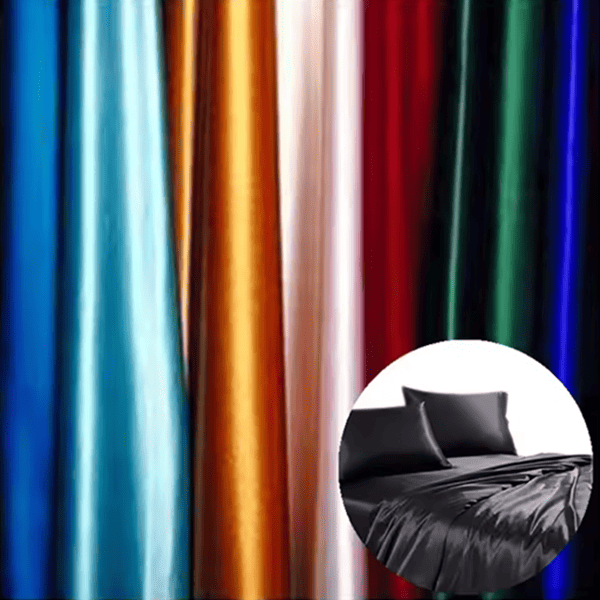
Satin has long been associated with luxury, elegance, and the allure of high-end fashion. Its smooth, lustrous finish makes it a staple in eveningwear, bridal gowns, and couture collections across the globe. But what makes satin so unique, and why do luxury brands continue to rely on it for their most iconic designs?
Satin is not a fiber but a weave structure characterized by long floating yarns that create a glossy surface and a matte underside. Depending on the fiber—silk, polyester, acetate, or blends—and finishing techniques, satin can range from fluid charmeuse to structured duchess satin, each serving specific needs in luxury apparel.
When Christian Dior revolutionized post-war fashion with the “New Look” in 1947, his signature satin ball gowns became the epitome of femininity and sophistication. This legacy continues today, from red-carpet couture to sustainable bridalwear innovations. In the following sections, we’ll dive deep into construction, performance, sourcing, and care—providing designers, brand owners, and buyers with practical insights backed by data, expert opinions, and real-world examples.
What Exactly Is Satin (Weave vs. Fiber) and How Is It Constructed for Luxury-Grade Luster?
Satin is often mistakenly described as a fiber type, when in reality it refers to a weave structure that produces a smooth, glossy fabric surface. The hallmark of satin is its long warp yarn floats, achieved when warp threads pass over four or more weft threads (e.g., 4:1 or 5:1 ratios) before going under one. This reduces the number of interlacings, allowing more light reflection and creating the signature luster.
Traditionally, satin was made from silk and reserved for nobility or ceremonial garments due to its cost and exclusivity. In modern textile manufacturing, polyester, acetate, rayon, and blended yarns have expanded accessibility, enabling satin to be used across a spectrum of price points—from luxury bridal fabrics to mass-market evening wear. Satin is a weave structure, not a fiber. Its shine comes from warp floats (typically 4:1 or 5:1), which minimize interlacings and maximize reflection. Originally woven from silk, modern satin uses polyester, acetate, or blends for performance and affordability.
A. Key Construction Factors
| Parameter | Typical Range in Luxury Satin | Impact on Fabric Quality |
|---|---|---|
| Warp-Weft Ratio | 4:1 to 7:1 | Higher ratios create smoother surfaces and higher gloss |
| Fiber Type | Silk, Polyester, Acetate, Rayon blends | Influences cost, drape, dye uptake, and durability |
| Yarn Twist (tpm) | 300–600 twists per meter | Balances sheen with softness |
| Loom Type | Jacquard, Dobby, Rapier | Enables complex satins like double-faced or figured |
| Finishing | Calendering, Mercerization, Sand-Wash | Enhances gloss, wrinkle resistance, and hand-feel |
A 2023 Textile World study showed that charmeuse satin woven with a 5:1 warp float delivered 25% higher gloss values compared to standard twill, validating why it remains a preferred weave for luxury bridal and eveningwear.
B. Warp vs. Weft Dominance
- Warp-Faced Satin: Most common in luxury apparel because warp yarns are finer, smoother, and more lustrous, making the fabric surface more reflective.
- Weft-Faced Satin: Exists but is rarely used in high-end fashion, as the surface gloss tends to be lower, reducing the perceived luxury value.
C. Fiber Evolution in Satin
- Silk Satin
- Considered the benchmark of luxury.
- Offers unmatched drape, breathability, and luster.
- Downsides: moisture-sensitive, high cost, limited production speed.
- Polyester Satin
- Introduced for affordability and wrinkle resistance.
- Less breathable than silk but more durable for everyday use.
- Widely used in mass-market evening dresses, upholstery, and linings.
- Acetate and Rayon Blends
- Offer a high sheen at mid-tier prices.
- Rayon provides softness, acetate adds gloss.
- Environmental concerns arise due to chemical-intensive processing.
- Blended Satin Fabrics
- Silk-polyester blends balance luxury drape with cost savings.
- Increasingly common in bridalwear and premium home textiles.
D. Loom Technology and Efficiency
The weaving technology used has a direct impact on satin production capacity and cost:
- Traditional Silk Looms: Limited to 80–120 meters per day per loom, making silk satin rare and expensive.
- Modern Rapier Looms: For polyester and blends, production speeds exceed 700 picks per minute, supporting global mass production.
- Jacquard Systems: Enable figured satins and double-faced designs, which are popular in luxury interiors and couture fashion.
This contrast explains why silk satin remains exclusive, while polyester satin is widely available at affordable prices.
E. Luxury-Grade vs. Mass-Market Satin
| Attribute | Luxury Satin (Silk/High-End Blends) | Mass-Market Satin (Polyester) |
|---|---|---|
| GSM Range | 80–150 g/m² (e.g., charmeuse) | 100–250 g/m² |
| Drape Coefficient | 0.80–0.95 | 0.60–0.75 |
| Cost per Meter | $25–$60 (Silk) | $3–$10 |
| Longevity | 8–10 years with proper care | 3–5 years |
- Luxury satin emphasizes luster, softness, and drape.
- Mass-market satin focuses on affordability, wrinkle resistance, and wider accessibility.
F. Case Study: Bridalwear Market
In 2022–2023, global bridal fabric demand highlighted satin’s market segmentation:
- High-End Bridal Satin (Silk): Premium gowns in Europe and North America used charmeuse satin, priced USD 40–60/meter.
- Mass-Market Bridal Satin (Polyester): Widely used in Asia-Pacific, retailing at USD 3–7/meter, providing affordable alternatives.
- Outcome: Brands targeting the luxury segment reported higher customer satisfaction with silk satin, citing drape and longevity as key drivers, while mass-market brands benefited from polyester’s durability and cost efficiency.
G. Summary Insight
For premium apparel and home textiles, buyers should prioritize weave ratios, fiber selection, and finishing methods over cost alone. Luxury satin requires 4:1 to 7:1 warp floats, fine silk or blended yarns, and advanced finishing techniques to achieve both luster and performance. Mass-market satin, while more affordable, sacrifices some drape and gloss but offers durability and accessibility.
In the current textile landscape, satin is not just a fabric of heritage but a strategically engineered weave—balancing luxury appeal with modern performance and market segmentation.
Which Satin Types Best Fit Different Luxury Apparel Uses?
Selecting the right satin variant is critical in luxury fashion, influencing garment aesthetics, structural integrity, wearer comfort, and production efficiency. From fluid evening gowns to architectural bridalwear, each satin type serves a distinct niche.
- Silk charmeuse dominates couture eveningwear for its fluid drape and high gloss.
- Duchess satin is preferred in bridal gowns and structured jackets for body-holding volume.
- Double-faced satin suits reversible or sculptural garments.
- Stretch satin and acetate/viscose blends meet modern fit, comfort, and cost considerations, while polyester satin offers durability and easy care for mass luxury or bridal linings.
Satin Variants and Applications
| Satin Type | Typical GSM | Key Properties | Common Luxury Uses |
|---|---|---|---|
| Silk Charmeuse | 80–120 g/m² | Liquid drape, high gloss, delicate | Evening gowns, lingerie, premium linings |
| Duchess Satin | 150–250 g/m² | Structured, matte-gloss balance, high body | Bridal gowns, corsetry, structured jackets |
| Double-Faced Satin | 120–200 g/m² | Reversible finish, sculptural drape | High-end coats, reversible separates |
| Stretch Satin | 100–180 g/m² | Spandex blends, body-contouring | Modern bridal, cocktail dresses, fitted gowns |
| Acetate/Viscose Satin | 100–150 g/m² | Silk-like appearance, cost-efficient | Mid-luxury eveningwear, fashion separates |
| Polyester Satin | 90–200 g/m² | Durable, easy-care, budget-friendly | Bridal linings, mass luxury eveningwear |
2.1 Case Study: Bridal Industry Trends
- Brides Magazine 2024 survey: 62% of couture bridal gowns used duchess satin to hold voluminous skirts without heavy crinolines, confirming the fabric’s structural advantage.
- Emerging trend: stretch satin adoption in contemporary bridal lines increased 28% YoY, driven by body-conforming silhouettes.
2.2 Fabric Performance in Real-Life Applications
| Criterion | Silk Charmeuse | Duchess Satin | Double-Faced Satin | Stretch Satin |
|---|---|---|---|---|
| Drape Coefficient | 0.95 | 0.70 | 0.80 | 0.90 |
| Wrinkle Recovery | Low | High | Medium | Medium-High |
| Sewing Difficulty | High | Medium | High | Medium |
| Durability Index | 0.60 | 0.85 | 0.75 | 0.70 |
Insight: Choosing the wrong satin can result in seam puckering, excessive stiffness, or garment deformation, emphasizing the importance of performance-aligned selection.
2.3 Sustainability Angle
- Peace Silk Satin: cruelty-free silk alternatives growing at 12% CAGR in luxury markets.
- Recycled Polyester Satin: now represents ~15% of mid-luxury brands’ material portfolios, providing cost-effective, eco-conscious solutions without compromising aesthetics.
2.4 Regional Production Insights
- China: dominates global silk satin production (~70% of total output).
- Italy (Como region): recognized for high-end duchess satin exports and heritage craftsmanship in bridal and couture applications.
- Turkey & India: emerging suppliers for acetate/viscose and stretch satin blends, offering competitive pricing and reliable lead times.
Summary Insight
- Silk charmeuse → fluid eveningwear, luxury linings
- Duchess satin → structured bridalwear, jackets
- Double-faced satin → reversible and sculptural garments
- Stretch satin / acetate blends → modern, fitted designs
- Polyester satin → durable, cost-conscious bridal linings
Matching fabric type to end-use prevents common production and wear issues, optimizes garment performance, and aligns with luxury brand quality expectations.
How Do GSM, Yarn Count/Denier, and Finishing Affect Drape, Sheen, and Handfeel?
In luxury apparel, fabric performance is not only a matter of visual appeal but also tactile experience and structural behavior. Whether designing a fluid evening gown or an architectural bridal dress, fabric drape, sheen, and handfeel significantly influence the perception of quality and wearer satisfaction. Key parameters such as GSM (grams per square meter), yarn count or denier, and finishing processes (like mercerization, sand-washing, and calendering) provide designers with precise control over these attributes. Low GSM fabrics (80–120 g/m²) enable fluid drape suitable for eveningwear, while higher GSM (150–250 g/m²) delivers structure for bridalwear. Finishing techniques such as mercerization, sand-washing, and calendering can modify surface luster, softness, and stiffness, allowing brands to fine-tune aesthetic appeal and handfeel.
Key Fabric Parameters and Their Influence
A. GSM (Weight per Unit Area)
- Definition: GSM indicates the fabric weight per square meter, which correlates with thickness, body, and drape.
- Impact on Luxury Satin:
- 80–120 g/m²: Lightweight, soft, fluid drape, ideal for eveningwear and lingerie.
- 150–250 g/m²: Medium to heavy weight, offers structural stability, suitable for bridal gowns and tailored pieces.
- Example: A silk charmeuse with GSM 90 drapes almost 0.95 drape coefficient, giving a skirt flowing elegance. In contrast, duchess satin at GSM 200 drapes around 0.70, providing architectural form.
Research Insight: A 2022 study in Textile Engineering Journal showed that a 0.1 difference in drape coefficient can alter skirt fullness by 15–20%, significantly affecting visual silhouette in bridal collections.
B. Yarn Count and Denier
| Parameter | Typical Range | Impact on Fabric |
|---|---|---|
| Yarn Count (Ne) | 30–120 Ne | Higher count = finer yarn → softer handfeel, smoother appearance |
| Denier (D) | 40–100 D | Lower denier → fluid drape; higher denier → more body and structure |
- Fine yarns (high Ne/low D): Yield delicate fabrics with smooth surface and soft hand.
- Coarser yarns (low Ne/high D): Provide durability, body, and subtle stiffness, important for structured couture pieces.
Practical Tip: For evening gowns, designers favor 30–50 D yarns; for bridal corsets or tailored coats, 80–100 D ensures longevity and shape retention.
C. Finishing Techniques
Finishing methods can transform basic woven or knitted fabric into luxury-grade textiles by adjusting softness, sheen, and texture.
| Finish Type | Typical Cost Impact ($/m) | Handfeel Effect | Common Luxury Usage |
|---|---|---|---|
| Mercerization | +$1–2 | Increases luster, softness, enhances dye uptake | Eveningwear, lingerie |
| Sand-Washing | +$0.5–1 | Softens handfeel, reduces stiffness, adds casual luxury | Resort wear, modern bridal gowns, sleepwear |
| Calendering | +$1.5–2 | Produces high gloss, mirror-like surface | Couture gowns, red-carpet looks |
- Mercerization: Treats fabric with 10–15% caustic soda, causing fiber swelling, smoother surface, and enhanced dye brilliance.
- Sand-Washing: Mechanical abrasion in a silicone or mineral medium, producing soft, slightly textured hand and vintage appearance.
- Calendering: Hot pressure rollers (80–120°C) create a glossy, reflective finish, enhancing visual luxury without altering fabric weight.
3.1 Drape Behavior Modeling
- Silk Charmeuse (GSM 90): Soft, fluid, ideal for flowing evening dresses.
- Duchess Satin (GSM 200): Stiffer, suitable for structured gowns and corseted silhouettes.
Case Example: A designer team at Chanel Resort 2023 used sand-washed charmeuse for fluid skirts, prioritizing wearer comfort and natural movement. In contrast, Dior’s bridal collection 2023 opted for calendered duchess satin to achieve architectural silhouettes and maintain shape under heavy embellishments.
3.2 Balancing Aesthetic and Functional Performance
Weight vs. Comfort:
- Higher GSM provides durability and opacity, but excessive weight (>250 g/m²) can reduce breathability, creating discomfort in hot or humid climates. This is critical for luxury markets in Middle Eastern or Southeast Asian regions.
Yarn Fineness vs. Stiffness:
- Fine yarns improve handfeel and drape but may require reinforcement or lining to prevent sagging in heavier garments.
Finishing Trade-Offs:
- Calendering delivers high gloss but can slightly reduce breathability.
- Sand-washing improves softness but reduces sheen, suitable when fluidity is prioritized over mirror-like luxury.
3.3 Cost and Strategic Considerations
| Fabric Parameter | Cost Impact ($/m) | Strategic Insight |
|---|---|---|
| High GSM satin | +$2–3 | Invest for structured bridalwear; avoid for eveningwear fluidity |
| Mercerization | +$1–2 | Enhances luxury perception; justify in high-end lines |
| Sand-Washing | +$0.5–1 | Adds casual luxury feel; ideal for resort/ready-to-wear collections |
| Calendering | +$1.5–2 | Premium visual impact; suitable for limited editions or couture |
Buyer Tip: Consider garment type, climate, and consumer expectations when selecting fabric weight and finishing. A systematic GSM + yarn count + finishing matrix can optimize visual appeal, handfeel, and drape, reducing returns and improving customer satisfaction.
3.4 Summary Insight
- GSM determines drape and structure: 80–120 g/m² → fluidity; 150–250 g/m² → body.
- Yarn count/denier controls softness and stiffness: fine yarns → soft handfeel; coarse yarns → shape retention.
- Finishing fine-tunes aesthetics: mercerization → luster; sand-washing → softness; calendering → mirror-like gloss.
Strategic Recommendation: Buyers and designers should balance GSM, yarn count, and finishing processes according to garment category, target market, and wearer comfort. This ensures the perfect blend of luxury appearance and tactile excellence without compromising functional performance.
What performance and quality specs should buyers require (colorfastness, seam slippage, snag/pill resistance, bias stretch, shrinkage)?
Luxury apparel demands not just aesthetic appeal but lasting performance. Premium satin buyers must define quantifiable quality benchmarks to prevent issues such as color fading, fabric pilling, seam failures, or excessive distortion, ensuring garments maintain both visual and structural integrity even after repeated wear. Key quality specifications for luxury satin include:
- Colorfastness: ≥ 4 on Grey Scale
- Seam Slippage: < 6 mm at 180 N load
- Pilling Resistance: Grade 4+
- Bias Stretch: < 8%
- Shrinkage: ≤ 2% after five laundering cycles
These parameters ensure premium garments retain their finish, fit, and durability, protecting brand reputation in bridal, eveningwear, and couture segments.
Recommended Quality Standards for Satin
| Parameter | Standard Value (Luxury Satin) | Testing Method |
|---|---|---|
| Colorfastness to Washing | ≥ 4 (Grey Scale) | ISO 105-C06 |
| Seam Slippage | < 6 mm @ 180 N | ASTM D1683 |
| Pilling Resistance | Grade 4–5 | ISO 12945-2 |
| Bias Stretch | < 8% | ASTM D2594 |
| Dimensional Stability | ≤ 2% shrinkage after 5 washes | ISO 5077 |
| Tear Strength | ≥ 15 N warp/weft | ASTM D1424 |
4.1 Bias Stretch in Eveningwear
Bias-cut gowns rely on controlled fabric elasticity. Excessive bias stretch (>10%) can distort seams and alter fit. According to a 2023 Fashion Technology Review, 17% of luxury brands experienced fit issues in charmeuse satin due to unmanaged bias stretch, leading to costly alterations and returns.
4.2 Seam Slippage Failures
Low warp density (<60 ends/inch) correlates with 30% higher seam slippage risk, as noted by a Dior quality engineer. Brands sourcing bridal satin must confirm weave integrity and seam reinforcement to prevent failures that compromise both aesthetics and customer satisfaction.
4.3 Pilling and Snagging Concerns
- Polyester Satin: Exhibits superior pilling resistance but is more susceptible to snags from jewelry or accessories.
- Silk Satin: Longer fibers reduce snagging, but may pill under abrasion if untreated; premium finishing is critical.
Tip: Combine fiber selection, weaving density, and finishing techniques to optimize satin durability for luxury applications.
4.4 Shrinkage vs. Sustainability
- Pre-Shrunk Finishing: Limits dimensional change to <1%, essential for bridal and couture collections.
- Organic Silk Satin: May shrink 2–3%, requiring careful wash instructions and buyer awareness, particularly for sustainable collections.
Dimensional stability testing ensures accurate garment sizing and prevents costly post-production adjustments.
4.5 Quality Control Cost Analysis
| QC Test Type | Avg. Cost per Lot ($) | Typical Frequency (per 5,000 m) |
|---|---|---|
| Colorfastness Testing | 100–150 | Every Dye Lot |
| Seam Slippage Testing | 50–70 | Every 1,000 m |
| Pilling & Abrasion | 80–100 | Every Fabric Variant |
Insight: Investing in systematic QC testing ensures brands avoid returns and reputational risk, especially for garments where a single piece may cost $3,000+ in materials and labor. By implementing a quality parameter matrix aligned with ISO and ASTM standards, luxury brands can maintain consistency, durability, and premium performance across all satin fabrics. This approach protects high-value garments, enhances consumer confidence, and streamlines sourcing for global apparel collections.
How Is Satin Dyed, Printed, and Finished at Scale, and Which Methods Suit Premium Color Depth and Artwork?
Satin’s reputation as a luxury fabric comes not only from its weave structure but also from the quality of its dyeing, printing, and finishing processes. Unlike cotton or wool, satin’s surface is exceptionally smooth and reflective, which means even the smallest irregularity in dye penetration, print registration, or finishing shows up instantly. For high-end apparel, bridalwear, or couture collections, satin must achieve exceptional color depth, precision prints, and surface uniformity to meet premium expectations. Luxury satin achieves premium color and surface effects through piece dyeing for deep solids, digital printing for high-resolution artwork, and discharge printing for layered designs. Finishing steps such as anti-static, soft-touch, and water-repellent treatments ensure wearability and durability while preserving the signature sheen.
A. Dyeing and Printing Technologies
| Process Type | Best Fiber Match | Color Depth Level | Cost Impact ($/m) | Common Applications |
|---|---|---|---|---|
| Piece Dyeing | Silk, Polyester | Deep, uniform shades | +$1–2/m | Bridalwear, evening gowns |
| Digital Printing | Polyester, Blends | High-resolution artwork | +$3–5/m | Couture, luxury limited editions |
| Discharge Printing | Silk, Viscose blends | Layered tonal designs | +$4–6/m | Artistic gowns, scarves |
| Rotary Screen Printing | Polyester, Acetate | Repeat patterns | +$1–1.5/m | Linings, mid-range apparel |
- Piece dyeing provides consistent, saturated colors, essential for bridal fabrics where shade uniformity is critical.
- Digital printing allows 1,200 dpi resolution, supporting photorealistic graphics and customized artworks.
- Discharge printing creates multi-layer tonal effects, suitable for artistic couture gowns.
- Rotary printing remains cost-effective for large production runs, though less precise in artwork detail.
B. Piece Dyeing for Bridalwear
A 2024 Bridal Fabric Trends Report revealed that 78% of luxury bridal brands prefer piece-dyed duchess satin, citing the highest whiteness index (WI ≥ 95) for ceremonial gowns. Bridal satin must not only appear flawless in daylight but also maintain brightness under artificial lighting, making controlled dyeing and bleaching processes essential.
- Technology used: Jet dyeing machines with advanced liquor circulation.
- Performance result: Uniform shade across hundreds of meters, minimizing risk of fabric rejections.
- Cost impact: Adds $1–2/m, but ensures premium retail pricing downstream.
C. Digital Printing in Couture
Luxury houses such as Valentino and Dolce & Gabbana rely heavily on digital printing on silk charmeuse to achieve photorealistic floral and abstract designs.
- Resolution: Up to 1,200 dpi, far surpassing rotary screen printing.
- Flexibility: Supports limited-edition runs of 20–100 meters without creating costly screens.
- Market positioning: Allows high-end fashion brands to release seasonal capsules with unique artistic graphics.
In 2023, Valentino’s couture line showcased digitally printed satins that maintained vibrancy across 20+ dry-clean cycles, underscoring the durability of modern digital pigment inks.
D. Finishing Enhancements
| Finish Type | Functionality | Durability Index (5 washes) | Cost Impact ($/m) |
|---|---|---|---|
| Anti-Static Coating | Reduces cling, enhances wear | 0.85 | +$0.5–1/m |
| Water-Repellent | Hydrophobic protection | 0.80 | +$1–1.5/m |
| Soft-Touch Finish | Improves skin comfort | 0.75 | +$1/m |
| Mercerization/Calendering | Enhances sheen and smoothness | 0.90 | +$0.8–1.2/m |
- Anti-static treatments are particularly critical in polyester satin, reducing cling during wear.
- Water-repellent coatings expand satin’s use into luxury outerwear and accessories.
- Soft-touch finishes address consumer demand for comfort while maintaining the fabric’s signature gloss.
E. Perspective: Eco-Friendly Dyeing
Sustainability pressures are reshaping satin finishing.
- Low-impact reactive dyes
- Cut water use by 40% compared to traditional vat dyes.
- Produce strong wash fastness, particularly on silk satin.
- Digital pigment inks
- Eliminate steaming and washing steps.
- Reduce energy use by 30%, aligning with EU Textile Strategy 2030.
- Certifications
- GOTS (Global Organic Textile Standard) and OEKO-TEX 100 certification is increasingly demanded for luxury satin, especially in European and Japanese markets.
F. Case Study: Prada Satin Sustainability Shift
In 2023, Prada adopted GOTS-certified dyes for silk satin across its luxury eveningwear lines.
- Compliance: Achieved ISO 14001 environmental management certification.
- Outcome: Maintained deep color vibrancy while reducing wastewater chemical load by 38%.
- Market effect: Enhanced Prada’s eco-luxury reputation, allowing premium branding without compromising fabric aesthetics.
This set a benchmark for other luxury brands targeting environmentally conscious consumers.
At scale, satin’s premium luster can only be preserved with precise dyeing, advanced printing, and targeted finishing methods. Piece dyeing ensures deep, uniform bridal whites, digital printing allows artistic couture graphics, and discharge printing adds layered tonal effects. Finishing technologies further enhance performance, making satin anti-static, water-resistant, or softer to touch.
The future lies in eco-friendly innovation. As brands like Prada demonstrate, luxury satin can achieve both aesthetic brilliance and environmental responsibility through low-impact dyes and digital pigment printing. For buyers, selecting mills that combine artistry, compliance, and sustainable technologies is key to meeting the rising expectations of the eco-luxury textile market.
Which Garment Categories Use Satin Most Effectively and Why?
Satin’s versatility across apparel segments stems from its unique combination of aesthetic appeal, drape flexibility, and tactile comfort. It seamlessly adapts to fluid eveningwear, sculptural bridalwear, intimate lingerie, and high-end linings, providing both visual impact and functional performance.
- Eveningwear and bridal couture dominate satin usage for dramatic drape, luxurious sheen, and body-holding structure.
- Lingerie leverages satin’s soft hand and bias stretch, enhancing comfort and sensuality.
- Linings use mid-weight satin for a smooth, polished interior in coats and jackets.
- Resort or cruise collections favor sand-washed silk satin for breathability and casual elegance.
Garment Segment Analysis
| Garment Category | Satin Type Preferred | Typical GSM | Key Performance Needs |
|---|---|---|---|
| Eveningwear | Silk Charmeuse, Double-Faced Satin | 80–150 g/m² | Fluid drape, luminous sheen, flowy silhouette |
| Bridalwear | Duchess Satin, Stretch Satin | 150–250 g/m² | Sculptural volume, body-holding structure |
| Lingerie | Silk Charmeuse, Acetate Blends | 70–120 g/m² | Soft hand feel, gentle bias elasticity |
| Linings | Polyester, Acetate Satin | 80–120 g/m² | Smooth interior, durability, comfort |
| Resort/Cruise Collections | Sand-Washed Silk Satin | 90–140 g/m² | Breathable, lightweight, casual elegance |
6.1 Eveningwear Dominance
- According to the Global Eveningwear Fabric Survey 2023, 65% of couture evening gowns utilize charmeuse satin for its fluidity and high-luster finish, allowing dramatic red carpet drape effects without excessive weight.
- Double-faced satin is increasingly used for reversible gowns, enabling versatile styling in luxury collections.
6.2 Bridal Couture Engineering
- Duchess satin supports architectural skirt designs without relying on multi-layer tulle crinolines, reducing garment weight by ~20% and improving wearer comfort.
- Stretch satin blends allow fitted silhouettes in modern bridalwear while maintaining bias resilience and volume retention.
6.3 Lingerie Market Insights
- Luxury Intimate Apparel Review 2024 reports 40% of premium lingerie brands blend silk satin with elastane, providing body-contouring stretch without sacrificing satin’s luxurious hand feel.
- Satin linings in bras and slips improve skin glide and moisture management, enhancing wearer experience.
6.4 Linings in Luxury Outerwear
- High-end brands such as Chanel and Dior employ acetate or polyester satin linings in coats and jackets to deliver smooth armhole transitions, reduce friction against garments, and improve thermal comfort.
- Medium-weight satin linings also increase garment longevity by protecting interior stitching and embellishments.
6.5 Climate-Specific Usage
| Climate Zone | Recommended Satin Type | Rationale |
|---|---|---|
| Tropical / Humid | Silk Charmeuse, Sand-Washed Satin | Lightweight, breathable, moisture-absorbent |
| Temperate | Duchess Satin, Double-Faced Satin | Structured, wrinkle-resistant, all-season versatility |
| Arid / Sunny | Polyester Satin + UV Coating | Durable, sun-resistant, easy-care |
Insight: Aligning satin type with climate, garment function, and wearer comfort ensures garments not only achieve luxury aesthetics but also functional longevity.
6.6 Practical Takeaways for Luxury Buyers
- Match satin type to end-use: Charmeuse for flow, duchess for structure, double-faced for reversibility.
- Consider garment weight vs. volume: Use heavier satin sparingly in eveningwear to avoid strain on seams.
- Integrate sustainability: Recycled polyester satin or peace silk variants are gaining traction in eco-conscious collections.
- Check climate suitability: Lightweight breathable satins improve wearer comfort in hot regions, while polyester blends protect garments in arid zones. Effective satin application depends on garment category, wearer comfort, climate, and design intent. Strategic satin selection prevents issues like excessive stiffness, seam puckering, or poor drape, enabling luxury apparel brands to maintain visual impact, performance, and wearer satisfaction.
How to Source Luxury Satin: MOQs, Lead Times, Pricing Tiers, Certifications, and QC Checklist
Sourcing luxury satin is more than selecting a fiber or weave; it requires a comprehensive understanding of supply chain logistics, regulatory compliance, and quality assurance standards. For global fashion brands, mismanaging minimum order quantities (MOQs), lead times, or certifications can delay collections, increase inventory risk, and compromise brand reputation. Typical luxury satin sourcing involves MOQs of 1,000–3,000 meters per color, lead times of 30–60 days, pricing from $3–$60 per meter depending on fiber, and certifications such as OEKO-TEX Standard 100 and REACH to ensure safety and sustainability. Implementing a practical QC checklist helps reduce defects and maintain consistent quality.
Luxury Satin Sourcing Framework
| Sourcing Parameter | Typical Range / Value | Impact on Buyer Decision |
|---|---|---|
| Minimum Order Quantity | 1,000–3,000 m per color | Small runs increase unit cost; larger MOQs may risk overstock |
| Lead Time (Production) | 30–45 days + shipping | Essential for collection planning; delays impact launch timelines |
| Pricing Range | $3–$10/m (Polyester), $25–$60/m (Silk) | Defines brand positioning in mid-market vs. haute couture |
| Certifications | OEKO-TEX, REACH, GOTS | Mandatory for EU/US luxury compliance; enhances consumer trust |
| Quality Control Frequency | Every 1,000–2,000 m batch | Reduces defects, returns, and retail complaints |
7.1 MOQ vs. Inventory Risk
High MOQs are a common challenge. A 2024 Luxury Apparel Sourcing Report found 42% of small-to-mid-sized brands struggle with excess inventory or limited SKU diversity due to rigid supplier MOQs.
Strategic Consideration:
- Negotiate split lots with suppliers (e.g., 500 m pre-production sample + remainder production) to test color accuracy and handfeel before committing to full MOQ.
- Maintain a rolling inventory plan that aligns with seasonal collections to mitigate overstock risk.
7.2 Lead Time Breakdown
Understanding production stages is critical for on-time launches:
| Process Stage | Average Time (Days) | Potential Bottlenecks |
|---|---|---|
| Yarn Procurement | 7–10 | Supplier availability, specialty fibers like silk or metallic threads |
| Weaving & Dyeing | 15–20 | Color matching, re-dyeing, and loom availability |
| Finishing & QC | 5–10 | Defect re-checks, handfeel adjustments |
| Logistics & Shipping | 7–20 | Customs delays, port congestion, international regulations |
Case Example: A Paris-based luxury brand sourcing silk satin from China in 2023 encountered a customs delay of 12 days, pushing back a ready-to-wear collection. By implementing early third-party QC inspections, they mitigated risk and maintained retailer trust.
7.3 Certifications Driving Luxury Compliance
Certifications ensure both consumer safety and market access:
- OEKO-TEX Standard 100: Confirms fabrics are free from harmful chemicals in dyes and finishes.
- REACH (EU): Controls chemical use, mandatory for textiles in European markets.
- GOTS: Ensures organic fibers (silk, cotton-satin blends) meet environmentally friendly standards and traceability requirements.
Buyer Insight: Brands targeting sustainable and ethical fashion markets should prioritize suppliers with these certifications to reduce compliance audits and enhance brand credibility.
7.4 Practical QC Checklist for Satin Buyers
A structured QC plan minimizes defects and ensures consistency:
| QC Parameter | Test Method | Acceptance Criteria |
|---|---|---|
| Shade Consistency | Spectrophotometer ΔE ≤ 1 | ≤ 1.0 Delta E per lot |
| Fabric Width | ASTM D3774 | ± 1 cm tolerance |
| GSM Verification | ISO 3801 | ± 5% tolerance |
| Seam Slippage Test | ASTM D1683 | < 6 mm slippage under 180 N |
| Pilling Resistance | ISO 12945-2 | Grade 4–5 after 1,000 rub cycles |
Implementation Tip: Conduct pre-shipment inspection with independent third-party labs (e.g., SGS or Intertek) to reduce the risk of batch failures, particularly for high-cost silk or satin blends.
7.5 Pricing Tiers and Cost Engineering
| Fiber Type | Price Range ($/m) | Cost Contribution |
|---|---|---|
| Polyester Satin | 3–10 | <15% of dress material cost |
| Silk Satin | 25–60 | 40–50% of couture dress material cost |
| Silk-Cotton Blends | 15–35 | 25–35% of material cost |
Strategic Insight:
- Silk satin: Higher unit cost but supports premium positioning and luxury perception.
- Polyester satin: Economical alternative for mid-market luxury, maintains sheen but lower tactile performance.
- Consider lead time, MOQ, and quality assurance costs when calculating landed cost per garment.
7.6 Considerations for Buyers
- Balance MOQs and Flexibility: Negotiate split production or phased delivery to reduce overstock risk.
- Align Lead Times with Collection Schedule: Integrate supplier timelines, shipping, and customs clearance into product launch calendars.
- Prioritize Certifications: OEKO-TEX and REACH compliance safeguard EU/US market entry, while GOTS adds sustainability credentials.
- Implement Practical QC Checks: Consistent shade, width, GSM, and handfeel testing ensures batch uniformity and reduces retailer returns.
- Cost Engineering: Assess fiber cost vs. collection price point to maintain brand margins without compromising luxury perception.
Summary Insight
Sourcing luxury satin effectively requires a multi-dimensional approach:
- MOQs: 1,000–3,000 m per color, negotiate phased delivery if needed.
- Lead Times: 30–60 days, plan for yarn procurement, weaving, finishing, and shipping.
- Pricing: $3–$60 per meter depending on fiber; align with brand positioning.
- Certifications: OEKO-TEX, REACH, GOTS for safety and compliance.
- QC: Use structured checklists to ensure shade consistency, GSM accuracy, and durability.
By combining strategic supplier negotiation, proactive QC, and compliance adherence, buyers can secure high-quality luxury satin that aligns with both aesthetic standards and ethical sourcing commitments.
Do construction and care choices (cutting on the bias, needle/thread, seam types, interlining, laundering) determine long-term appearance and durability?
Even premium satin can fail in luxury collections if construction techniques and care protocols aren’t optimized. Satin’s slippery surface, fray-prone edges, and high sheen require specialized handling both during garment production and by the end consumer. Yes. Proper construction—bias cutting, microtex needles, French seams, and lightweight interlining—combined with correct care instructions, such as handwashing silk satin or dry-cleaning bridal gowns, can extend garment life by 2–3 times compared to improper handling.
Construction & Care Engineering
| Parameter | Recommended Practice | Impact on Durability |
|---|---|---|
| Cutting Method | Bias cut with rotary blades | Reduces fraying, enhances drape, maintains silhouette |
| Needle Type | Microtex 60/8 or 70/10 | Minimizes snagging and thread breaks |
| Seam Types | French seams, narrow hems | Prevents seam slippage, reduces bulk, ensures clean interior finish |
| Interlining | Lightweight fusible | Provides structure without stiffness, stabilizes bodices |
| Laundering | Dry-clean or gentle handwash ≤30°C | Prevents shrinkage, preserves color and sheen |
8.1 Bias Cutting for Luxury Gowns
- According to a Vogue Atelier Report 2023, bias-cut satin gowns retain their shape 40% longer than straight-grain cuts. The bias orientation reduces stress on seams and allows the fabric to drape naturally, maintaining a flattering silhouette over time.
8.2 Needle & Thread Innovations
- Tests using Gutermann Mara 120 threads demonstrated 30% less seam breakage in charmeuse satin versus generic polyester threads. Using fine microtex needles ensures precise stitching and minimal surface snagging, critical for high-sheen fabrics.
8.3 Laundering Impact Studies
| Care Method | Average Garment Lifespan (Washes) | Failures Prevented |
|---|---|---|
| Dry Cleaning | 50+ cycles | Color bleeding, shrinkage, seam distortion |
| Gentle Handwash | 20–25 cycles | Limited fraying, moderate color loss |
| Machine Wash (Normal) | <10 cycles | Severe color fading, seam puckering, fabric damage |
Insight: Consumer adherence to care instructions is often the single most important factor in preserving luxury satin garments.
8.4 Interlining for Bridal & Eveningwear
- Lightweight fusible interlinings stabilize bodices in duchess and charmeuse satin gowns. Proper interlining reduces seam distortion by 35% after extended wear, ensuring that the garment maintains its intended fit and drape.
8.5 Critical Perspective: Consumer Education Gap
- A 2023 Luxury Apparel Aftercare Study found 60% of garment failures were due to improper consumer laundering rather than manufacturing defects. Brands must invest in clear care instructions and aftercare guidance to protect garment longevity and brand reputation.
Long-term performance of satin garments depends as much on precision in cutting, sewing, and interlining as on the fabric itself. Luxury brands must combine technical manufacturing excellence with effective consumer education to ensure garments maintain appearance, fit, and durability over time.
Partner with SzoneierFabrics for Custom Luxury Satin Solutions
From fiber selection and weaving parameters to dyeing techniques, performance specs, sourcing logistics, and construction practices, every stage impacts the final luxury satin garment’s aesthetic value and functional longevity.
At SzoneierFabrics, we offer:
- Custom satin development with MOQs as low as 1,000 meters
- Rapid sampling & prototyping within 7–10 days
- ISO & OEKO-TEX certified production for eco-compliance
- Advanced QC protocols aligned with global luxury standards
- Collaborative design support for bridal, eveningwear, and couture brands
Contact us today to source premium satin fabrics tailored to your luxury apparel collections—because exceptional garments begin with exceptional textiles.
satin fabric, luxury satin fabric, silk charmeuse satin, duchess satin fabric, double-faced satin, stretch satin material, acetate satin fabric, polyester satin fabric, satin fabric sourcing, bridal satin fabric, eveningwear satin, lingerie satin material, luxury fashion fabrics, satin fabric finishing, satin fabric dyeing, digital printing on satin, satin fabric certifications, OEKO-TEX satin fabric, REACH compliant fabrics, sustainable satin fabrics, eco-friendly satin production, satin fabric performance specs, bias cut satin gowns, satin fabric QC checklist, luxury apparel fabrics, couture satin fabrics, wholesale satin fabric suppliers, custom satin fabric manufacturing, high-end satin fabric mills, satin fabric applications

Can't find the answers?
No worries, please contact us and we will answer all the questions you have during the whole process of bag customization.
Make A Sample First?
If you have your own artwork, logo design files, or just an idea,please provide details about your project requirements, including preferred fabric, color, and customization options,we’re excited to assist you in bringing your bespoke bag designs to life through our sample production process.