 Skip to content
What is the best grade of nylon?
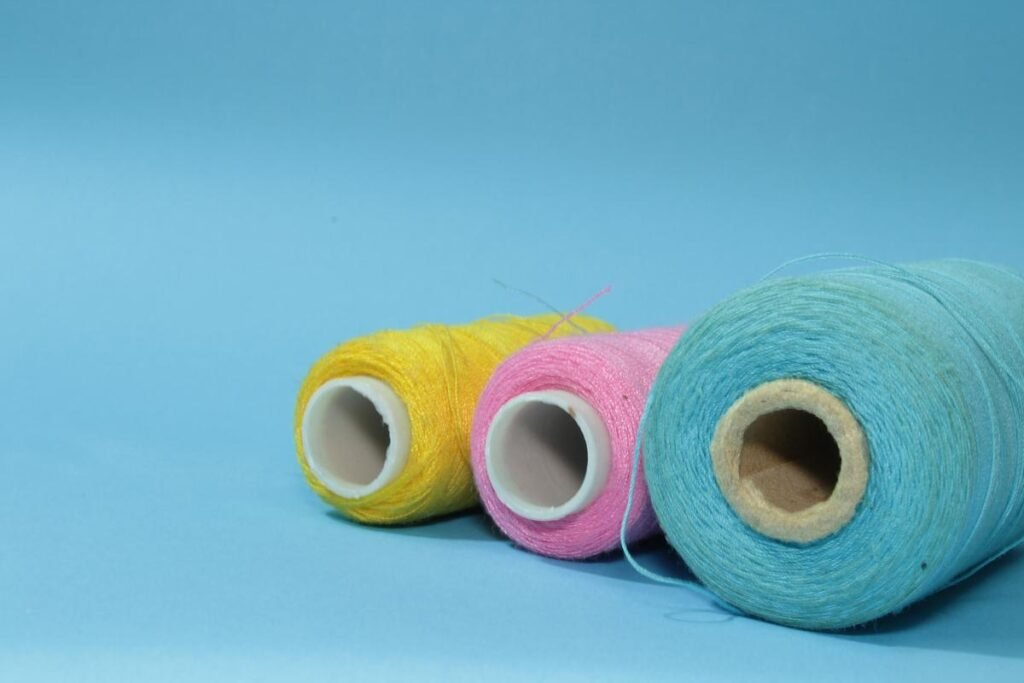
In the world of performance textiles and industrial materials, nylon continues to be one of the most versatile synthetic fibers. From high-stretch yoga pants to bulletproof luggage shells, the same base material—polyamide—can vary drastically in behavior depending on its grade. For buyers, brands, and sourcing professionals, the ability to distinguish between nylon grades can mean the difference between a product that excels and one that fails under stress. The best grade of nylon depends on the application. For high-performance garments, Nylon 6,6 with high polymer purity is often considered the highest grade due to its exceptional durability, thermal stability, and abrasion resistance. For eco-conscious brands, recycled nylon with verified chain integrity also ranks high.
This topic isn’t just academic. In 2023, a major U.S. luggage brand faced a surge in warranty claims after switching to a lower-grade Nylon 6 supplier. Abrasion failures, premature cracking, and UV degradation spiked. After re-evaluating material specs, they returned to certified high-grade Nylon 6,6—and complaints dropped by 72% over the next production run.
So what exactly defines nylon grade, and which should you choose for your product line? Let’s explore in detail.
1. What does “grade” mean in the context of nylon fabrics?
In textiles, nylon grade refers to the quality, purity, and performance characteristics of the nylon polymer used in spinning yarns or forming fabric. It includes chemical structure (e.g., Nylon 6 vs 6,6), the presence of contaminants, molecular weight distribution, and how well the polymer has been processed and stabilized. Nylon grade is a measure of material quality defined by chemical composition, processing purity, and application suitability. Higher grades offer better strength, durability, and consistency.
Breaking Down Nylon Grades
A. Key Grade Attributes in Nylon
| Grade Factor | Description | Relevance to Clothing Use |
|---|---|---|
| Polymer Type | Nylon 6, Nylon 6,6, or copolymers | Impacts strength, stretch, and heat resistance |
| Polymer Purity (%) | % of uncontaminated polyamide chains | Affects consistency and dye uptake |
| Molecular Weight | Indicates fiber formation stability | Higher = stronger fibers |
| Additive Content | UV inhibitors, dye carriers, antistatics | Required for specific applications |
| Certification | OEKO-TEX®, GRS, REACH-compliant | Necessary for exports and eco claims |
Nylon grades for injection molding (e.g., in automotive) differ from those used in yarn spinning. Always confirm you’re sourcing textile-grade nylon with appropriate viscosity and spinability.
B. Textile Industry Grade Labels
| Label Used | What It Typically Refers To |
|---|---|
| “Virgin Nylon” | Pure, first-use polymer with no recycled content |
| “Industrial Grade” | High performance, often for technical gear |
| “Apparel Grade” | Finer handfeel, often blended for softness |
| “High Tenacity” | Engineered for strength (e.g., seatbelt webbing) |
Apparel-grade nylon typically has lower stiffness, higher dye receptivity, and better drape than industrial-grade nylon, which is more rigid and dense.
2. Which nylon grades are most commonly used in the textile industry?
The most commonly used nylon grades in the textile sector include:
- Nylon 6: Used for its affordability, softness, and good dyeability
- Nylon 6,6: Used for high-performance garments and technical applications
- High Tenacity Nylon 6,6: Used in webbing, tactical gear, and premium luggage
- Recycled Nylon (rPA): Used in eco-conscious fashion and swimwear
- Texturized Nylon Yarn: Used in hosiery, seamlesswear, and soft knits
Nylon 6 and 6,6 dominate textile manufacturing. Nylon 6 is common in apparel due to cost and softness, while Nylon 6,6 and high-tenacity grades are used when durability is a priority.
Nylon Grades in Fashion vs Industry
A. Market Usage by Segment
| Application Segment | Common Nylon Grade(s) | Reason |
|---|---|---|
| Fashion/Activewear | Nylon 6, Nylon 6 + Spandex | Stretch, dyeability, softness |
| Outerwear/Sportswear | Nylon 6,6 | Abrasion, weather resistance |
| Swimwear/Lingerie | Nylon 6 or rPA + Spandex | Smooth finish, body fit |
| Luggage/Bags | High-tenacity Nylon 6,6 | Structural strength, tear resistance |
| Technical Gear (military) | Nylon 6,6 / PA 6.10 | UV resistance, thermal durability |
B. Key Performance Comparison
| Attribute | Nylon 6 | Nylon 6,6 | Recycled Nylon (rPA) |
|---|---|---|---|
| Abrasion Resistance | Moderate | Excellent | Good (if chemically recycled) |
| Dye Uptake | Excellent | Good | Slightly lower |
| UV Stability | Low–Moderate | High | Medium–High (depends on process) |
| Price per kg (USD) | \$3.00–\$3.80 | \$3.80–\$4.50 | \$4.50–\$6.00 (varies by cert.) |
A Korean apparel supplier shifted from Nylon 6 to GRS-certified rPA for its sustainable yoga line. While fabric cost rose 18%, conversion and brand loyalty increased, especially among younger buyers.
3. How do Nylon 6 and Nylon 6,6 compare in quality and performance?
Nylon 6 and Nylon 6,6 are both versatile, but they have distinct differences in strength, thermal stability, and durability. While both are commonly used in textiles, the right choice depends on the garment’s intended application. Nylon 6 is softer and more flexible, while Nylon 6,6 is stronger and better suited for demanding applications like outdoor gear and technical fabrics. Nylon 6 is used where softness and flexibility are key, while Nylon 6,6 excels in strength, abrasion resistance, and heat stability, making it ideal for high-performance garments.
Comparing Nylon 6 vs Nylon 6,6 for Textiles
A. Performance Metrics
| Property | Nylon 6 | Nylon 6,6 |
|---|---|---|
| Tensile Strength (MPa) | 80–90 | 90–100 |
| Elongation (%) | 50–70 | 30–50 |
| Heat Resistance | Moderate (up to 180°C) | High (up to 230°C) |
| Abrasion Resistance | Moderate–Good | Excellent |
| Moisture Absorption | 6–9% | 3–6% |
| Colorfastness (to light) | Good (3.5/5) | Very Good (4/5) |
Nylon 6’s greater flexibility and better dye uptake make it ideal for clothing and fashion. On the other hand, Nylon 6,6’s greater tensile strength and high heat tolerance are preferred for outdoor and industrial applications.
B. Durability Comparison
| Application | Nylon 6 | Nylon 6,6 |
|---|---|---|
| Performance Outerwear (Jackets) | Suitable for lightweight | Best for heavy-duty wear |
| Activewear (Yoga leggings) | Ideal for soft feel and flexibility | Less flexible but more durable |
| Bags/Backpacks | Flexible, affordable | Highly durable, tear-resistant |
An outdoor gear manufacturer switched to Nylon 6,6 for waterproof jackets after frequent product failures using Nylon 6, due to higher durability and better water resistance at lower temperatures.
C. Cost and Production Considerations
| Property | Nylon 6 | Nylon 6,6 |
|---|---|---|
| Production Cost per Meter (USD) | \$1.50–\$2.50 | \$2.50–\$3.50 |
| Minimum Order Quantity (MOQ) | Lower (300–500 kg) | Higher (500–1000 kg) |
| Availability | High | Moderate |
When sourcing for fashion or bulk apparel, Nylon 6 is often the more cost-effective choice. However, if your brand requires long-term durability for outdoor performance, Nylon 6,6 may be worth the higher upfront cost.
4. What role do purity and polymer chain structure play in nylon grading?
The purity of the nylon polymer and its molecular chain structure are crucial in determining the nylon grade. Nylon 6,6, for example, has a more uniform polymer structure, which contributes to its high strength and thermal stability. On the other hand, Nylon 6, with its less rigid structure, offers more flexibility and is easier to process. Higher polymer purity and a more regular polymer structure (as seen in Nylon 6,6) result in stronger, more heat-resistant, and more durable fabrics. This makes it ideal for performance applications where toughness is required.
Purity and Polymer Structure Analysis
A. Molecular Chain Comparison
| Property | Nylon 6 | Nylon 6,6 |
|---|---|---|
| Polymer Chain Length | Shorter, more flexible | Longer, more rigid |
| Degree of Crystallinity | Moderate | High |
| Structural Regularity | Less uniform | More uniform |
| Chemical Resistance | Moderate | Excellent |
| Thermal Resistance (°C) | 180–200°C | 230–250°C |
The more regular structure of Nylon 6,6 results in greater resistance to heat, better abrasion resistance, and higher tensile strength. This is critical for applications like fire retardant gear, automotive textiles, and heavy-duty backpacks.
B. Purity and Dyeability
| Nylon Grade | Purity (%) | Dye Absorption | End-Use Effect |
|---|---|---|---|
| Nylon 6 | 98–99% | High (bright colors) | Fashion, Hosiery |
| Nylon 6,6 | 99.5% | Moderate (stronger fixation) | Outdoor, Performance |
| Recycled Nylon (rPA) | 95–98% | Lower (less vibrant) | Sustainable Fashion |
The higher purity of Nylon 6,6 means more stable colorfastness. It’s often used in outdoor performance gear where color retention and durability are essential.
C. Long-Term Wear Resistance
| Grade | Long-Term Wear | Suitability for Clothing |
|---|---|---|
| Nylon 6 | Moderate wear | Best for casualwear and lightweight garments |
| Nylon 6,6 | High wear resistance | Ideal for heavy-duty and technical apparel |
A premium outerwear brand opted for high-purity Nylon 6,6 in their winter jackets for superior resistance to wear and UV damage, particularly in mountain environments where durability is paramount.
5. Are industrial-grade nylons suitable for clothing and fashion applications?
Industrial-grade nylons, such as high-tenacity Nylon 6,6 or PA 6.10, are engineered for mechanical strength, chemical resistance, and dimensional stability, not softness or skin comfort. While they are often too rigid for casualwear, they are sometimes used in specialized apparel like military gear, tactical vests, or utility jackets. Industrial-grade nylon can be used in fashion, but mainly in structural or non-contact components. It’s ideal for bags, trims, outer shells, but not suitable for next-to-skin garments without blending or finishing treatments.
Industrial Nylon in Fashion Contexts
A. Key Characteristics of Industrial-Grade Nylon
| Feature | Description |
|---|---|
| Denier | Typically 420D–1680D |
| Tensile Strength (MPa) | Often >100 MPa |
| Handfeel | Rigid, coarse |
| Heat & UV Resistance | High (especially PA 6.6 and PA 6.10) |
| Common Finishes | PU coating, TPU lamination, flame retardant |
These nylons are more commonly found in workwear, technical outerwear, and protective uniforms, where performance outweighs comfort.
B. Use Case Breakdown
| Product Type | Industrial Nylon Application | Notes |
|---|---|---|
| Tactical Apparel | Back panels, reinforcements | Strength over softness |
| Streetwear Accessories | Utility belts, straps, pouches | Fashion-meets-function aesthetic |
| Hiking & Outdoor Gear | Outer shell, abrasion zones | Often used in ripstop weave |
| Luggage & Footwear | Upper support areas, linings | Durability is key |
A Japanese fashion brand incorporated 1000D Cordura nylon—an industrial textile—into a limited-edition jacket for its bold techwear silhouette and rigidity. Though not soft, it offered a luxury utility look that resonated with niche buyers.
C. Pros and Cons
| Pros | Cons |
|---|---|
| Extremely durable and long-lasting | Not breathable or skin-friendly |
| Water- and UV-resistant | Heavy and stiff |
| Ideal for technical aesthetics | Poor drape unless modified |
If incorporating industrial-grade nylon in fashion, pair it with soft linings or hybrid constructions to balance comfort and utility.
6. How does recycled nylon grade compare to virgin nylon in quality?
Recycled nylon (rPA), when regenerated through chemical processes like depolymerization, can nearly match the quality of virgin nylon in tensile strength and stretch recovery. However, mechanically recycled nylon often falls short in fiber uniformity and dye consistency. Chemically recycled nylon offers comparable performance to virgin grades, especially when GRS-certified. Mechanically recycled options are better suited for non-critical components or blended fabrics.
Recycled Nylon – Quality by Processing Method
A. Comparison Table: Virgin vs Recycled Nylon
| Property | Virgin Nylon | Chemically Recycled rPA | Mechanically Recycled Nylon |
|---|---|---|---|
| Polymer Chain Integrity | 100% | \~95–98% | \~70–85% |
| Dye Affinity | Excellent | Very Good | Moderate |
| Fiber Uniformity | High | High | Low–Moderate |
| UV Resistance | Good (if treated) | Comparable (if stabilized) | Weaker |
| Moisture Absorption | 4–6% | 5–6% | Higher |
| Cost (per kg) | \$3.50–\$4.50 | \$4.50–\$6.50 | \$3.00–\$3.80 |
Look for GRS, OEKO-TEX®, or ECONYL®-certified suppliers to ensure supply chain transparency and fiber traceability.
B. Sourcing & MOQ Considerations
| Factor | Virgin Nylon | Recycled Nylon (rPA) |
|---|---|---|
| MOQ from Mill | 300–500 kg | 500–800 kg |
| Lead Time | 10–15 days | 15–25 days |
| Minimum Yarn Size | \~20D–70D | Often >40D |
| Common Applications | All apparel | Swimwear, leggings, activewear |
Recycled nylon performs best in mid-weight stretch applications like leggings or swimsuits. For heavy-duty or high-abrasion zones, virgin nylon may still be the safer choice.
C. Eco + Branding Value
| Benefit | Value to Buyers |
|---|---|
| Lower carbon footprint | Up to 50–70% vs virgin nylon |
| Marketing & sustainability | Storytelling for Gen Z & ESG |
| Circularity potential | Closed-loop recycling systems |
A premium U.S. swimwear brand using ECONYL® nylon found a 22% boost in repeat customer sales due to sustainability storytelling, without compromising fit or function.
7. What testing standards determine the quality grade of nylon fabric?
The quality and grade of nylon fabric are assessed using international textile testing standards. These standards evaluate performance under mechanical stress, heat, light, abrasion, and chemical exposure. Labs and manufacturers use these metrics to classify nylon into standard, high-performance, or technical grades. Key standards like ISO, ASTM, and AATCC help define nylon quality grades by testing strength, stretch, dye durability, UV resistance, and abrasion tolerance.
Key Nylon Fabric Test Protocols
A. Mechanical Strength Tests
| Test Standard | Purpose | Common Nylon Result (Grade A) |
|---|---|---|
| ISO 13934-1 | Tensile strength (breaking force) | 85–100 MPa for Nylon 6,6 |
| ASTM D5034 | Grab strength | 200–400 N for apparel-grade |
| ASTM D4966 | Martindale abrasion resistance | >20,000 cycles for performance nylon |
High Martindale scores (30,000+) indicate fabric suitable for outdoor, luggage, or industrial use.
B. Environmental and Aging Tests
| Test Standard | Assesses | Nylon 6 / 6,6 Performance Range |
|---|---|---|
| AATCC 16 | UV colorfastness | Grade 4/5 (Nylon 6,6); 3.5/4 (Nylon 6) |
| ISO 105-C06 | Wash durability (colorfastness) | Grade 4–5 |
| AATCC 61 | Perspiration resistance | Grade 4+ |
If sourcing recycled nylon, verify test reports are from GRS-compliant labs to ensure both sustainability and performance are maintained.
C. Specialty Testing
- Anti-pilling: ASTM D3512
- Moisture management: AATCC 195
- Stretch & recovery: ASTM D2594
These help determine fitness for activewear, underwear, and multi-wash consumer goods.
8. How can B2B buyers select the right nylon grade for specific product needs?
Choosing the best nylon grade involves understanding your product’s end-use, performance expectations, and buyer demographics. A balance of technical properties, cost, and consumer experience should drive your sourcing decision. B2B buyers should evaluate fiber type, performance metrics, certifications, and MOQ flexibility to align nylon grade with product goals—whether for fashion, activewear, outdoor gear, or sustainability-led lines.
Nylon Sourcing Checklist by Product Category
A. Nylon Selection Matrix
| Product Type | Best Nylon Grade | Why |
|---|---|---|
| Yoga Leggings | Nylon 6 + 20% Spandex | Soft, stretchable, color vibrant |
| Compression Wear | Nylon 6,6 + 15% Spandex | Recovery and muscle support |
| Outdoor Jackets | Nylon 6,6 or PA 6.10 | Durable, high abrasion/UV |
| Swimwear | Recycled rPA + Spandex | Sustainable, smooth, flexible |
| Bags/Luggage | 1000D High Tenacity 6,6 | Extreme strength, shape retention |
For technical gear, request denier breakdown + coating details. For fashionwear, prioritize drape, softness, and dyeability.
B. Supplier Due Diligence Tips
- Request OEKO-TEX®, GRS, BLUESIGN® certificates
- Confirm tensile strength, GSM, and dye performance
- Discuss MOQ, custom color runs, and finishing options
- Verify yarn source if advertising as “eco” or “premium”
C. Cost vs Quality Trade-Off
| Nylon Grade | Avg. Price per Yard | Typical MOQ | Performance Suitability |
|---|---|---|---|
| Basic Nylon 6 | \$1.50–\$2.20 | 300–500 m | Standard fashionwear |
| Nylon 6,6 (Apparel) | \$2.20–\$3.00 | 500–800 m | Activewear, outerwear |
| High-Tenacity 6,6 | \$3.00–\$5.00 | 1000 m+ | Bags, industrial-grade goods |
| rPA (Recycled Nylon) | \$2.80–\$4.20 | 800–1000 m | Eco-brands, swimwear |
If you’re launching a premium brand, don’t shy away from sourcing high-grade nylon 6,6 or rPA. It can yield fewer returns, better brand loyalty, and pricing power.
The Best Nylon Grade Is Application-Driven
There is no one-size-fits-all answer to the “best” grade of nylon. Instead, the right grade is defined by what your product needs to perform, look, and feel like—while staying within cost and MOQ limits.
- For high abrasion use, Nylon 6,6 or high-tenacity nylon is your answer.
- For soft fashionwear, Nylon 6 or a stretch blend offers better drape and color.
- For eco-conscious buyers, GRS-certified recycled nylon is gaining market value.
Source Premium Nylon Fabrics from SzoneierFabrics
At SzoneierFabrics, we help brands and manufacturers make the right material decisions for their products. With over a decade of experience in nylon fabric R\&D and production, we offer:
- Nylon 6, Nylon 6,6, high-tenacity, and recycled nylon options
- Custom denier, GSM, and spandex blends for all garment categories
- Free sample support, rapid prototyping, and low-MOQ ordering
- Global certifications (OEKO-TEX®, GRS, etc.) and testing documentation
Contact us now to request swatches or begin your custom development journey for high-grade nylon fabrics tailored to your business goals.
Can't find the answers?
No worries, please contact us and we will answer all the questions you have during the whole process of bag customization.
Make A Sample First?
If you have your own artwork, logo design files, or just an idea,please provide details about your project requirements, including preferred fabric, color, and customization options,we’re excited to assist you in bringing your bespoke bag designs to life through our sample production process.