Skip to content
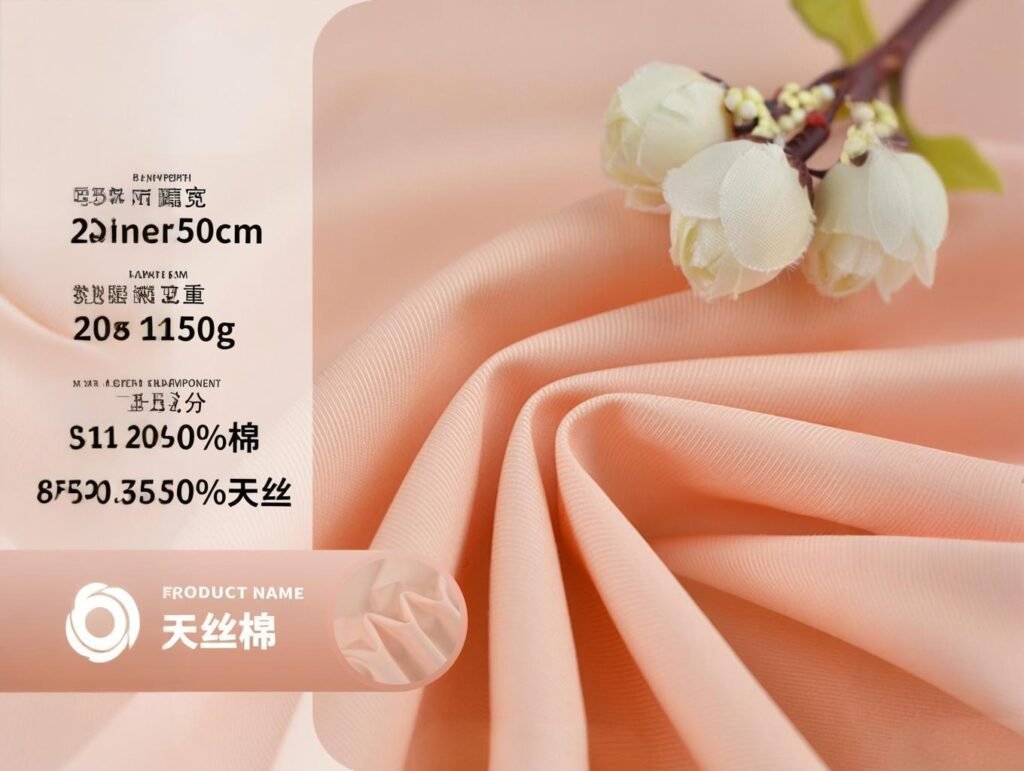
Cotton Silk: The Natural Bridge Between Sustainability and Luxury
In a global textile market where sustainability is no longer a luxury but a necessity, one fabric stands out as a remarkable compromise between eco-conscious values and high-end appeal: cotton silk. This hybrid material, blending the breathable structure of cotton with the elegant drape of silk, has emerged as a go-to solution for brands seeking greener, more ethical materials without sacrificing style or performance.
Cotton silk fabric is a game changer for sustainable textile businesses because it offers a renewable, low-impact alternative to pure silk or synthetic blends — while maintaining the luxurious touch needed for high-end fashion. It supports small-scale sourcing, offers excellent durability, and accommodates eco-certification practices.
But the story doesn’t end there. From Indian artisans to global B2B fashion houses, cotton silk is not only making fashion more ethical — it’s making it more inclusive and innovative. In the sections below, we’ll explore exactly how and why.
What Is Cotton Silk Fabric and Why Is It Gaining Popularity in Sustainable Fashion?
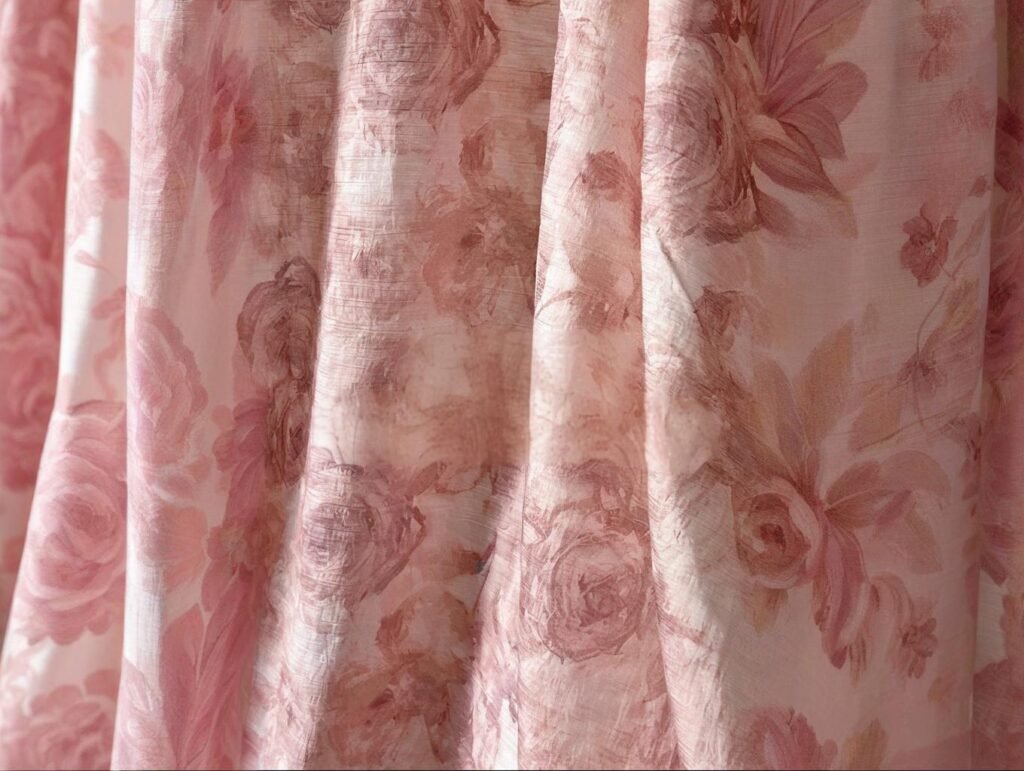
Cotton silk is a blend of two natural fibers — cotton and silk — combined to balance structure, softness, breathability, and sheen. Depending on the blend ratio (commonly 70/30, 60/40, or 50/50), the fabric takes on a lightweight yet elegant feel, suitable for both everyday wear and luxury garments.
Cotton silk fabric blends the breathability of cotton with the luster of silk, making it a versatile, eco-friendly textile ideal for sustainable fashion lines.
🚀 Why the Growing Popularity?
- Eco-responsiveness: Both cotton and silk are biodegradable and can be sourced organically.
- Affordability: Compared to 100% silk, cotton silk is significantly more cost-effective while retaining a luxurious feel.
- Versatility: Suitable for casual, formal, and resort wear; holds dyes and patterns well.
- Market Shift: Consumer demand for sustainable yet comfortable textiles is growing, especially among Gen Z and millennial buyers.
📊 Cotton Silk in Numbers
| Feature | Cotton Silk | Pure Cotton | Pure Silk |
|---|---|---|---|
| Biodegradability | ✅ Yes | ✅ Yes | ✅ Yes |
| Moisture Control | ✅ Excellent | ✅ Good | ❌ Moderate |
| Luxury Appeal | ✅ High | ❌ Low | ✅ High |
| Cost Efficiency | ✅ Moderate | ✅ High | ❌ Low |
| Sustainability Rating\* | ✅ Strong | ✅ Good | ❌ Mixed (depends) |
When using organic cotton and cruelty-free silk sources
A Paris-based slow fashion brand replaced 100% silk with a 60/40 cotton silk blend in their summer collection. The result? A 25% cost reduction, a 35% drop in return rates due to better comfort, and a 28% increase in online conversion thanks to improved sustainability messaging.
How Does Cotton Silk Fabric Contribute to Lower Environmental Impact?
The environmental value of cotton silk lies in its ability to offer a lower-footprint alternative to polyester blends and even traditional silk, particularly when sourced responsibly. Cotton silk reduces reliance on synthetic fibers while also consuming less silk per square meter, leading to fewer animal welfare concerns and lower production emissions.
Cotton silk has a lower environmental impact than pure silk or synthetics due to reduced silk usage, biodegradability, and compatibility with organic farming and natural dyes.
🌱 Environmental Benefits of Cotton Silk
1. Reduced Water Usage
- Organic cotton uses up to 91% less water than conventional cotton.
- When paired with peace silk (non-violent silk farming), the environmental load is minimized further.
2. Biodegradability
- Unlike polyester blends, cotton silk fully decomposes in soil within 4–5 months under the right conditions.
3. Chemical-Free Dyeing Compatibility
- Cotton silk holds natural dyes well, reducing the need for reactive or synthetic dyeing processes that harm ecosystems.
4. Lower Carbon Footprint
- Silk requires significantly less energy to produce than synthetic fibers.
- A cotton silk blend uses up to 40% less energy per garment than polyester-cotton alternatives.
🌍 Cotton Silk Sustainability Index
| Metric | Cotton Silk | Polyester Blend |
|---|---|---|
| Water Use per Kg | \~3,000 liters | \~6,000 liters |
| CO₂ Emissions (kg CO₂/kg) | 3.2 | 6.6 |
| Biodegradability | ✅ Yes | ❌ No |
| Chemical Processing | Low (if natural dye) | High |
A sustainable fashion label based in California switched to cotton silk for their capsule shirt line. They worked with a fair-trade Indian mill that used herbal dyes and reported a 90% reduction in chemical wastewater compared to their previous viscose fabric vendor.
Which Certifications Ensure Cotton Silk Meets Global Sustainability Standards?

For textile businesses committed to transparency and traceability, certifications play a critical role in communicating sustainability claims. Cotton silk fabric — when ethically produced — can qualify for several internationally recognized certifications that cover both its cotton and silk components.
Certifications like GOTS, OEKO-TEX, and Fair Trade ensure cotton silk fabric meets sustainability standards related to organic sourcing, safe dyeing, and ethical labor practices.
📋Top Sustainability Certifications for Cotton Silk
1. GOTS (Global Organic Textile Standard)
- Verifies organic status of cotton in the blend.
- Requires no toxic heavy metals, formaldehyde, or GMOs.
- Also assesses worker rights and environmental management systems.
2. OEKO-TEX® Standard 100
- Ensures chemical safety of finished cotton silk products.
- Tests for over 100 harmful substances, including AZO dyes and formaldehyde.
- Important for skin-sensitive markets (e.g., babywear, lingerie).
3. Fair Trade Certified
- Applies to cotton and silk supply chains supporting artisan communities.
- Guarantees fair wages, ethical work conditions, and community investment.
4. Peace Silk or Ahimsa Silk Certification
- Applies to the silk portion: silkworms are not killed during fiber harvesting.
- Ideal for vegan-friendly or animal welfare-focused brands.
📊 Certification Comparison Chart
| Certification | Covers Cotton | Covers Silk | Focus Area | Global Recognition |
|---|---|---|---|---|
| GOTS | ✅ Yes | ❌ No | Organic fiber & processing | 🌍 High |
| OEKO-TEX® 100 | ✅ Yes | ✅ Yes | Chemical safety in fabric | 🌍 High |
| Fair Trade | ✅ Yes | ✅ Yes | Labor & social compliance | 🌍 Medium |
| Peace Silk | ❌ No | ✅ Yes | Animal-friendly silk farming | 🌍 Niche |
Some manufacturers like SzoneierFabrics can help brands source dual-certified cotton silk fabrics — such as GOTS cotton + OEKO-TEX silk — which simplifies compliance with retailer and regulatory demands in export markets like the U.S., EU, and Japan.
Is Cotton Silk a Better Alternative to Pure Silk or Cotton in Eco-Conscious Apparel?
Yes — especially when balancing luxury, performance, and sustainability. Cotton silk avoids the high water consumption of pure cotton and the ethical concerns of conventional silk, offering a middle ground for eco-aware designers.
Cotton silk offers better sustainability than pure silk or cotton alone, combining reduced water use, ethical silk alternatives, and a luxurious yet breathable finish.
Fabric Comparison from a Sustainability Lens
1. Environmental Impact
- Cotton Silk: Lower water + energy consumption than either cotton or silk alone.
- Silk: High resource intensity, often non-vegan.
- Cotton: Commonly grown with pesticides unless organic.
2. Wearability & Comfort
- Cotton silk: Lightweight, non-irritating, and drapes well.
- Cotton: Breathable but lacks luster.
- Silk: Elegant, but delicate and expensive to care for.
3. Marketability
- Cotton silk gives designers a green selling point.
- Blends well with luxury and eco fashion narratives.
- Popular in resortwear, day-to-night outfits, bridal separates.
🧪 Sustainability & Performance Matrix
| Attribute | Cotton Silk | Pure Cotton | Pure Silk |
|---|---|---|---|
| Eco-Friendliness | ✅ High | Medium–High | Low–Medium |
| Animal Welfare Impact | ✅ Low | ✅ None | ❌ High |
| Breathability | ✅ High | ✅ High | Medium |
| Luster & Elegance | ✅ Moderate | ❌ Low | ✅ High |
| Price Accessibility | ✅ Medium | ✅ High | ❌ Low |
A Canadian fashion label that previously used organic cotton and peace silk switched to a 60/40 cotton silk blend to reduce unit cost by 18% and streamline certifications. Their spring-summer collection saw an uptick in preorders from Japan and Germany due to growing awareness of “luxury sustainability.”
What Are the Economic and Environmental Benefits for Small and Medium Textile Businesses?
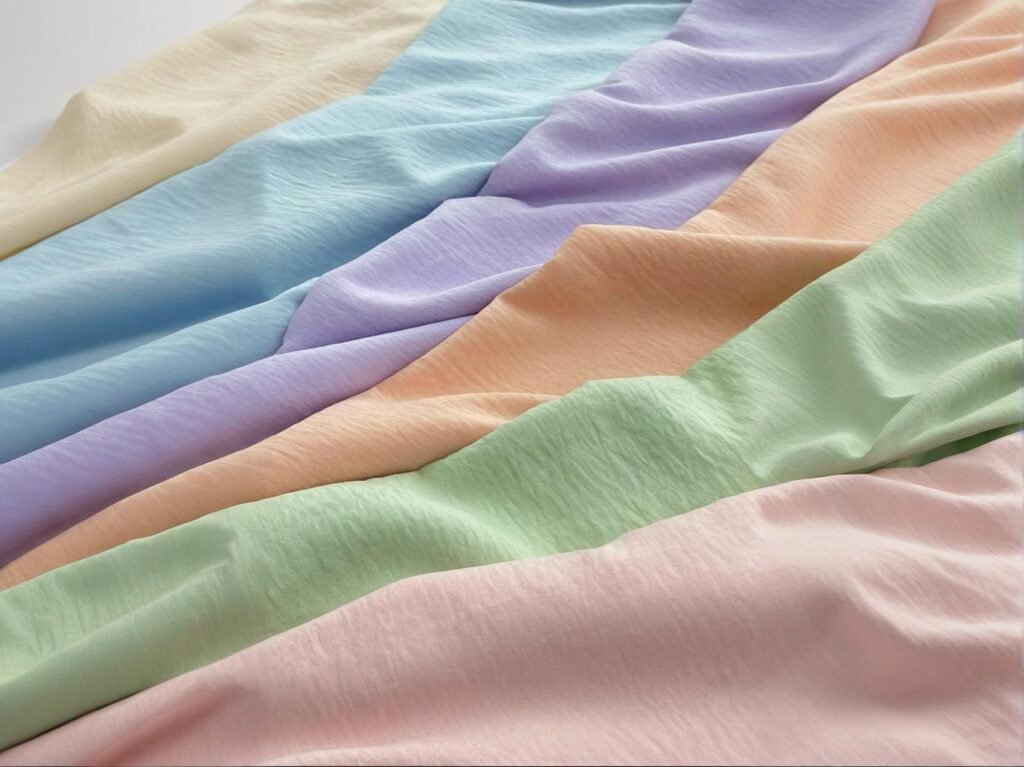
Cotton silk offers a rare win-win for small-to-medium-sized textile enterprises (SMEs): it supports cost-effective, flexible production while aligning with growing market demand for sustainable luxury. Unlike 100% silk — which is costly and difficult to scale — or synthetic blends — which are increasingly viewed as unsustainable — cotton silk allows SMEs to tap into premium markets without premium risks.
Cotton silk allows small textile businesses to reduce material costs, offer sustainable products, and access growing luxury markets with lower environmental and financial risk.
💡Economic & Environmental Advantages for SMEs
1. Lower Material Costs
- Compared to pure silk, cotton silk reduces raw material costs by up to 40% depending on blend ratio.
- Greater supply chain flexibility due to broader availability of cotton.
2. Scalable MOQ
- Cotton silk can be produced at low minimum order quantities, making it ideal for independent labels and boutique-scale runs.
3. Reduced Waste in Production
- The blended fabric’s stronger weave reduces tearing, shrinkage, and dye waste.
4. Marketing Edge
- Brands using cotton silk can leverage sustainability storytelling, often converting at higher rates on digital platforms and retail shelves.
📊 Cost Comparison Table (Per Linear Meter)
| Fabric Type | Avg. Cost (USD) | MOQ Flexibility | Sustainability Score\* |
|---|---|---|---|
| Cotton Silk | \$4.50 – \$8.00 | ✅ High | ✅ High |
| Pure Silk | \$10.00 – \$18.00 | ❌ Low | ❌ Medium |
| Polyester | \$2.00 – \$4.00 | ✅ High | ❌ Low |
Score based on biodegradability, water use, and emission factors.
A Thailand-based SME switched from rayon to cotton silk for its womenswear line. After adopting a 70/30 blend and marketing the product’s eco-values, the brand achieved a 23% increase in direct-to-consumer online sales within three months. Additionally, the return rate dropped by 15%, credited to better breathability and comfort.
How Do Sustainable Fashion Brands Use Cotton Silk in Their Collections?
Across the globe, eco-conscious fashion houses are reimagining cotton silk as the cornerstone of transitional luxury collections — breathable for daywear, elegant enough for evening silhouettes. Its natural drape, breathability, and smooth touch make it a favorite for garments that demand functionality, fluidity, and visual appeal.
Sustainable fashion brands use cotton silk for dresses, blouses, scarves, and bridal wear due to its elegance, comfort, and low environmental impact compared to synthetics or silk.
👗Common Use Cases in Ethical Fashion
1. Bridal & Occasion Wear
- Cotton silk provides a breathable, skin-friendly alternative to synthetic satins or heavy silk.
- Popular for non-traditional wedding dresses, minimalist gowns, and bridesmaid sets.
2. Everyday Luxury Blouses & Tops
- Particularly favored for workwear and seasonless capsule collections.
3. Scarves and Wraps
- The fabric’s lightness and dye affinity make it a go-to for brands promoting artisan printwork or heritage weaving.
4. Loungewear and Resort Lines
- Ideal for summerwear that needs both structure and softness.
- Common in resort capsule collections that emphasize eco-luxury and comfort.
📌 Real-World Brand Strategies
| Brand Type | Cotton Silk Application | Benefit Realized |
|---|---|---|
| Slow Fashion Startups | Everyday wear blouses | Improved customer retention |
| Bridal Designers | Vegan-friendly wedding dresses | Positive media coverage, niche appeal |
| Ethical Heritage Brands | Hand-dyed scarves | Higher margin from artisan value |
| Resortwear Labels | Flowy printed sets | Lightweight & breathable selling point |
Featured Collaboration:
SzoneierFabrics recently partnered with a Danish ethical brand to supply GOTS-certified 60/40 cotton silk for a summer campaign. With customized dyeing, the collection featured botanical-inspired dresses that sold out within weeks across Europe and Southeast Asia.
What Challenges Exist in Sourcing and Scaling Cotton Silk Sustainably?
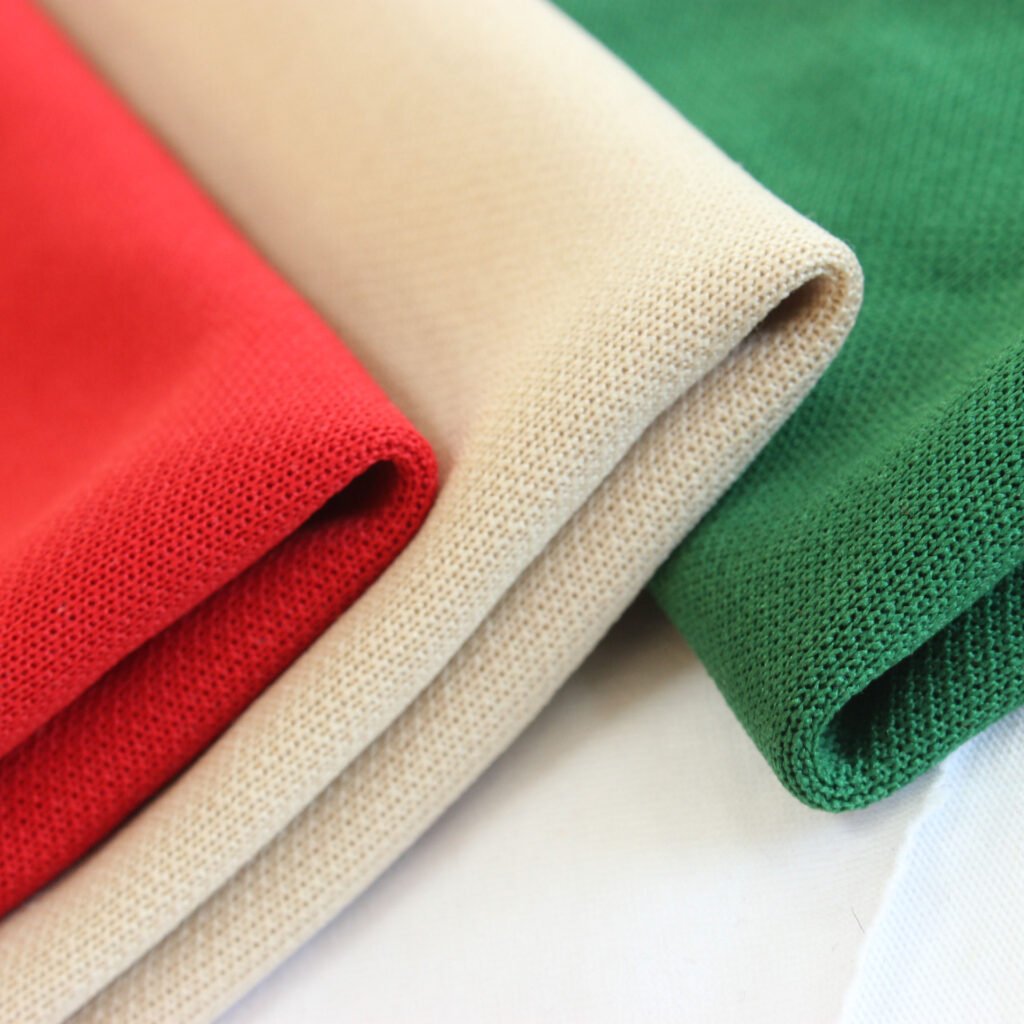
While cotton silk holds immense potential for sustainable textile production, its responsible sourcing and large-scale adoption face certain challenges. These range from supply chain fragmentation and certification inconsistencies, to raw material volatility and lack of awareness among buyers.
Challenges in sourcing sustainable cotton silk include limited certified suppliers, pricing volatility, supply chain traceability issues, and regional availability of eco-silk.
🚧 Key Roadblocks to Watch
1. Limited Certified Suppliers
- While GOTS-certified cotton is widely available, Peace Silk or Ahimsa-certified silk producers are fewer, especially at scale.
- Some regions lack facilities that blend the two fibers under controlled, ethical conditions.
2. Blend Ratio Transparency
- Cotton silk blends aren’t always clearly labeled or verifiable. Some blends may contain synthetic filler fibers like viscose or polyester, undermining sustainability claims.
3. Cost Variability
- Market fluctuations in organic cotton or ethical silk supply can cause price inconsistencies, especially when working with seasonal or small-batch production.
4. Logistical Complexity
- Blending cotton from one region (e.g., India or Turkey) with silk from another (e.g., China or Vietnam) requires complex cross-border coordination and increases the carbon footprint if not optimized.
📊 Challenges Overview Chart
| Challenge | Impact on SMEs | Possible Solutions |
|---|---|---|
| Certified supplier scarcity | High | Partner with verified mills like SzoneierFabrics |
| Inconsistent blend ratios | Medium | Request third-party lab testing |
| Price fluctuation | Medium–High | Opt for seasonal contracts or longer-term pricing |
| Traceability gaps | High | Ask for full origin disclosure & batch records |
Insight from the Ground:
A U.K.-based eco-brand abandoned its first sourcing attempt in Southeast Asia after discovering that the silk labeled “organic” lacked any verifiable source. They later worked with SzoneierFabrics to develop a traceable, audited cotton silk fabric that aligned with EU compliance standards and passed a REACH safety test.
How Can B2B Buyers Source Custom Cotton Silk Fabric Responsibly and Efficiently?
For sourcing managers, designers, and procurement teams, finding a reliable partner is the most crucial step. Sourcing cotton silk responsibly isn’t just about getting fabric — it’s about choosing a mill that understands your standards, can customize to your specs, and supports full traceability.
B2B buyers can source ethical cotton silk efficiently by partnering with certified factories, confirming blend specs, requesting small-batch sampling, and verifying documentation.
🤝 Responsible Sourcing Strategies for Buyers
1. Start With Verified Manufacturers
- Choose suppliers like SzoneierFabrics that specialize in custom blend control, certification compliance, and low-MOQ sampling.
- Always ask for certification numbers — not just labels.
2. Request Free Samples and Fabric Tests
- A genuine mill will offer free swatches, help match your color palette, and support testing (drape, wash, shrinkage).
3. Negotiate Flexible MOQ Options
- Szoneier offers low MOQ customization starting at 50 meters, ideal for growing brands or test collections.
4. Audit the Supply Chain
- For larger brands, conduct a sustainability audit of the cotton and silk sources.
- Use platforms like Textile Exchange or Sedex to evaluate labor practices.
🛒 Sourcing Checklist for B2B Buyers
| Step | Action Item |
|---|---|
| ✅ Identify needs | Choose blend ratio, color, texture, weight |
| ✅ Verify certifications | GOTS, OEKO-TEX, Peace Silk, Fair Trade |
| ✅ Order samples | Test for performance and authenticity |
| ✅ Check MOQ & lead time | Align with production calendar |
| ✅ Confirm logistics & support | Ask about shipping, after-sales service |
✉️ Start Your Sustainable Sourcing with SzoneierFabrics
The intersection of comfort, elegance, and eco-responsibility makes cotton silk a fabric worth watching — and sourcing. It empowers textile businesses, from boutique brands to export-focused manufacturers, to deliver products that delight customers and protect the planet.
At SzoneierFabrics, we’ve spent years helping global brands transform their fabric strategies with certified, custom cotton silk. Whether you’re launching a sustainable capsule or scaling a full product line, our team is ready to help.
✅ Get free design support, low-MOQ sampling, and 100% quality assurance on all cotton silk fabric orders.
Let’s build the future of sustainable fashion — one fiber at a time.