Skip to content
A waterproof transparent bag sounds like a simple product: make it clear, make it waterproof, add a zipper, print a logo, done. But in real manufacturing, that sentence hides a lot of traps. A clear bag can be water-resistant but not waterproof. A zipper can look sealed but still leak. A transparent material can block splashes but crack in cold weather. A pouch can protect cosmetics from rain but fail if dropped into a pool. For brands, retailers, travel accessory companies, cosmetic labels, outdoor programs, event organizers, and private label product teams, understanding these differences can prevent costly sample revisions, return complaints, and overpromised marketing claims.
Waterproof transparent bags are clear or semi-clear bags made from materials such as PVC, TPU, EVA, vinyl, or laminated transparent film, designed to protect contents from water exposure while keeping items visible. The real waterproof level depends on the full construction: material thickness, seam sealing, closure type, zipper design, welding method, roll-top structure, and testing standard. A sewn clear pouch may resist light rain, while a welded roll-top transparent dry bag can handle stronger splash or temporary wet outdoor use. “Waterproof” should never be treated as one single promise. It must be defined by use case, test method, and realistic water exposure.
That distinction matters because customers do not use waterproof transparent bags in a laboratory. They use them at beaches, pools, concerts, stadiums, gyms, airports, hotels, boats, campsites, hospitals, warehouses, and travel bathrooms. One person wants to keep sunscreen from leaking into a suitcase. Another wants to protect a phone during kayaking. A cosmetic brand wants a clear pouch that looks premium on a retail shelf. A beach brand wants a transparent tote that survives sand, wet towels, and sunscreen. If all of these products are described simply as “waterproof,” disappointment is almost guaranteed.
The smarter approach is to develop waterproof transparent bags from the expected environment backward. Light splash protection, rain resistance, wipe-clean travel use, sealed cosmetic storage, beach carry, and dry-bag-level protection all require different engineering. The material may be clear, but the product strategy should never be cloudy.
What Are Waterproof Transparent Bags?
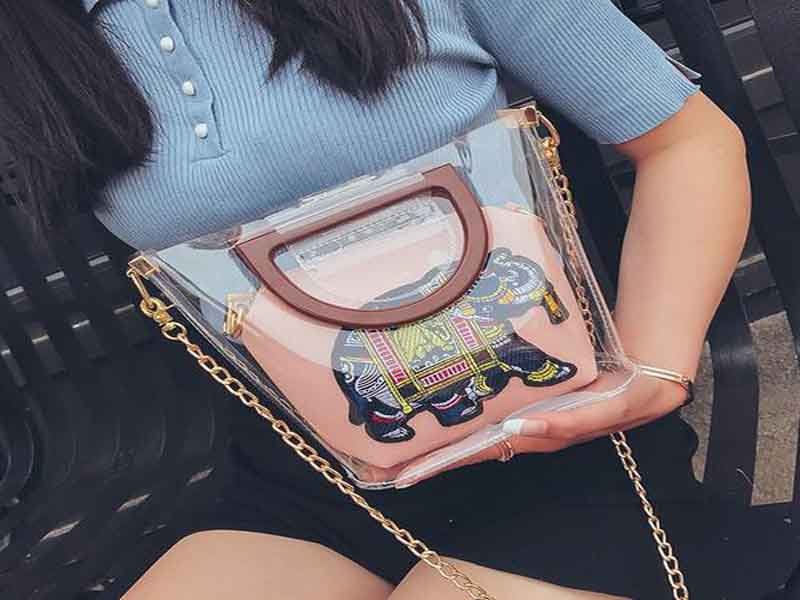
Waterproof transparent bags are clear or see-through bags designed to protect contents from water exposure while allowing users to see what is inside. They are commonly made from PVC, TPU, EVA, vinyl, or other transparent polymer materials and can be produced as pouches, toiletry bags, cosmetic bags, beach bags, phone pouches, stadium bags, dry bags, travel organizers, medical storage bags, and outdoor gear bags. The waterproof performance depends not only on the clear material but also on seam sealing, closure structure, zipper quality, welding method, and product testing.
The most important thing to understand is that “waterproof transparent bag” is not one fixed product category. A clear cosmetic pouch with a stitched zipper may be splash-resistant. A heat-sealed transparent phone pouch may protect against stronger water exposure. A roll-top clear dry bag with welded seams may perform better for outdoor activities. The material is only the starting point. The construction decides the real protection level.
What Is a Waterproof Clear Bag?
A waterproof clear bag is a transparent bag built to reduce or prevent water from entering the main storage area. Depending on the structure, it can protect against spilled liquids, rain, splashes, wet surfaces, leaking toiletries, beach moisture, or temporary outdoor exposure. The product normally uses clear PVC, TPU, EVA, or vinyl, paired with stitched seams, heat-sealed seams, high-frequency welding, waterproof zippers, roll-top closures, snap closures, or press-seal structures.
For custom production, the first question should not be “Can you make a waterproof clear bag?” The better question is “What water exposure should the bag handle?” A makeup pouch used in a bathroom does not need the same construction as a transparent dry bag for kayaking. A clear event tote needs easy cleaning and splash resistance. A clear phone pouch needs strong sealing. A transparent travel toiletry bag needs leak containment more than submersion protection.
| Product Type | Common Water Exposure | Main Protection Goal | Best Construction Direction |
|---|---|---|---|
| Clear cosmetic pouch | Leaking liquids, bathroom moisture | Keep small spills contained | PVC or TPU body, zipper, sealed or bound seams |
| Clear travel toiletry bag | Shampoo leaks, hotel bathroom use | Separate wet items from luggage | Thicker clear film, zipper, easy-clean surface |
| Transparent beach bag | Sand, wet towels, splash, sunscreen | Wipe-clean carry and light splash control | PVC/TPU body, reinforced handles, open or zipper top |
| Clear phone pouch | Pool, boat, rain, water park | Protect phone from direct water | TPU/PVC film, sealed edges, press-lock or multi-seal closure |
| Transparent dry bag | Outdoor splash, boating, camping | Stronger water barrier | Welded seams, roll-top closure |
| Clear stadium bag | Rain, spilled drinks | Easy cleaning and light protection | Clear PVC, zipper, reinforced trim |
A waterproof clear bag should be described based on its real performance. If the construction uses sewn seams and a standard zipper, it may be better marketed as “water-resistant” or “splash-resistant” unless testing confirms stronger protection. This matters for consumer trust and product claims.
How Is It Different From Water-Resistant?
Waterproof and water-resistant are not the same. Water-resistant means the bag can resist limited water exposure, such as light rain, splashes, or surface moisture. Waterproof means the bag is designed to keep water out under stronger conditions, but even then the claim should be tied to a test method or use scenario. A material can be waterproof while the finished bag is not, because water may enter through stitch holes, zipper gaps, corners, or openings.
Outdoor product explanations often use ratings or water-pressure concepts to compare protection. IPX ratings are commonly used for products that need measured water resistance, and higher IPX numbers generally indicate stronger resistance to water exposure. Some outdoor guides also explain that waterproofness can be measured through pressure-based tests such as hydrostatic head, where higher numbers indicate stronger resistance to penetration.
| Claim Type | What It Usually Means | Suitable Product Example | Claim Risk |
|---|---|---|---|
| Wipe-clean | Surface can be cleaned with damp cloth | Clear cosmetic pouch, workplace pouch | Low if material supports cleaning |
| Water-resistant | Resists light rain or splashes | Clear tote, travel toiletry bag | Medium if customers expect submersion |
| Splash-proof | Handles splashes and wet surfaces | Beach pouch, festival bag | Medium; define exposure clearly |
| Waterproof | Designed to block water under stronger conditions | Phone pouch, dry bag | High if not tested |
| Submersible | Can handle temporary immersion | Certified phone pouch or dry bag | Very high without test evidence |
For brands, the safest practice is to avoid vague claims. Instead of saying “100% waterproof” for every clear bag, use more precise wording such as “water-resistant clear pouch for travel,” “splash-resistant transparent beach bag,” or “welded roll-top transparent dry bag for outdoor use.” Strong claims should be backed by product testing, because broad or misleading product claims can create regulatory and consumer trust problems. The FTC’s Green Guides are aimed at helping marketers avoid misleading environmental claims, and the same truth-in-advertising mindset is useful for performance claims too: say what the product can actually do and avoid broad promises that cannot be substantiated.
Are Transparent Bags Fully Waterproof?
Some transparent bags can be designed for strong waterproof performance, but many are not fully waterproof. A clear material such as PVC or TPU may resist water well, yet the finished bag can still leak through seams, zipper gaps, stitch holes, folded corners, handle attachment points, or closure openings. In other words, material waterproofness and product waterproofness are different.
A stitched transparent travel pouch may keep shampoo leaks away from clothes, but it should not be thrown into a lake. A clear tote may protect items from light rain, but an open top cannot be waterproof. A transparent phone pouch with sealed edges and a secure closure may protect against stronger water exposure if tested properly. A clear roll-top dry bag with welded seams is much closer to outdoor waterproof performance.
| Bag Construction | Water Protection Level | Why |
|---|---|---|
| Open-top clear tote | Low | Water can enter from top |
| Zipper clear tote with sewn seams | Low to medium | Resists splashes but stitch holes may leak |
| Zipper pouch with bound seams | Medium | Better leak control but zipper may leak |
| Heat-sealed pouch | Medium to high | Fewer stitch holes |
| Press-lock phone pouch | High if tested | Sealed edges and closure protect small electronics |
| Welded roll-top dry bag | High | Welded seams and roll closure reduce water entry |
A transparent bag should only be called fully waterproof if the construction and testing support that claim. In product development, this means the buyer should define the intended water exposure before confirming the sample.
Which Uses Need Waterproof Protection?
Waterproof or water-resistant transparent bags are needed wherever users want visibility and moisture protection at the same time. Common uses include travel toiletries, cosmetics, beach gear, poolside storage, outdoor sports, boating, kayaking, camping, stadium events, concerts, medical storage, gym wet items, school activities, workplace safety programs, promotional kits, and retail packaging.
The need for waterproof protection changes by market. A cosmetic brand may care about leak containment and premium clarity. A beach brand may care about wipe-clean surfaces, sand resistance, and handle strength. A phone accessory brand may care about sealing and touchscreen usability. A stadium merchandise brand may care about rain resistance and clear bag policy compatibility. A medical or workplace buyer may care about easy cleaning and visible contents.
| Market Use | Main Water Concern | Best Product Direction |
|---|---|---|
| Travel toiletries | Shampoo or lotion leaks | Clear zipper pouch with stronger seams |
| Cosmetics | Liquid makeup, bathroom moisture | Premium TPU/PVC pouch, clean zipper |
| Beach and pool | Splash, wet towels, sand | Clear tote or pouch with reinforced handles |
| Outdoor sports | Rain, mud, water exposure | Welded transparent dry bag or pouch |
| Phone protection | Direct water contact | Sealed clear phone pouch |
| Stadium and concerts | Rain, spilled drinks | Clear water-resistant tote or crossbody |
| Medical and hygiene | Wipe-clean storage | Smooth transparent pouch |
| Retail gift sets | Product visibility and spill control | Clear branded pouch |
A smart brand will not use one structure for every market. Waterproof transparent bags should be engineered by use case. That is where custom manufacturing becomes valuable.
The phrase “waterproof transparent bag” can attract search traffic, but it can also create misunderstandings if the article or product page does not explain protection levels clearly. Customers often use “waterproof” casually when they actually mean splash-resistant, leak-proof, wipe-clean, rain-friendly, or submersible. A professional product page should translate these everyday words into manufacturing details.
| Customer Search Phrase | What They May Actually Want | Manufacturing Reality |
|---|---|---|
| Waterproof clear bag | General moisture protection | Need to define exposure level |
| Clear waterproof pouch | Travel or cosmetic leak control | Zipper and seam construction matter |
| Waterproof transparent dry bag | Outdoor water protection | Welded seams and roll-top closure needed |
| Clear beach bag waterproof | Splash and wet towel use | Open tote may be water-resistant, not waterproof |
| Waterproof phone pouch | Direct water protection | Sealed closure and testing needed |
| Clear toiletry bag waterproof | Leak containment | Zipper type and seam sealing matter |
The critical thinking point is simple: transparency and waterproofing pull product design in different directions. A clear bag needs visibility. A waterproof bag needs sealed construction. A stylish bag needs nice trim and hardware. A low-cost bag needs simple production. A high-performance bag needs more testing. The best design depends on which priority comes first.
| Priority | Design Choice | Trade-Off |
|---|---|---|
| Maximum transparency | Clear body, minimal trim | Less reinforcement if not designed carefully |
| Strong waterproofing | Welded seams, roll-top, sealed closure | Less fashion flexibility |
| Premium appearance | TPU, smooth zipper, clean branding | Higher cost |
| Low unit cost | PVC, simple sewing, basic zipper | Lower waterproof performance |
| Retail branding | Logo print, hangtag, packaging | Must avoid blocking visibility |
| Outdoor use | Stronger film, welded seams | Higher MOQ or tooling complexity |
For Szoneier clients, the first development step should be a usage brief. Is the bag for rain, beach, cosmetics, travel, phone protection, stadium events, or outdoor sports? Once the water exposure is clear, Szoneier can help recommend material, thickness, closure type, seam method, logo process, packaging, and testing direction.
Which Materials Work Best?
The best materials for waterproof transparent bags are clear PVC, TPU, EVA clear film, vinyl, and specialized transparent laminated films. PVC is widely used because it is clear, cost-efficient, easy to produce, and suitable for many pouches, totes, toiletry bags, and promotional bags. TPU is often chosen for higher-end waterproof transparent bags because it can feel softer, more flexible, and more premium, with better bend performance in many applications. EVA clear film can be useful for lightweight, flexible, and softer pouches, though clarity and structure vary by grade.
Material choice should never be based on name alone. “PVC” can mean low-cost thin film or better high-clarity film. “TPU” can feel premium but increase cost. “EVA” can be soft and light but may not look as crystal-clear as premium TPU or PVC. A transparent bag’s final quality depends on material thickness, clarity, odor, flexibility, cold resistance, scratch resistance, welding behavior, printing compatibility, and how the material works with zippers, straps, and seams.
Is PVC Good for Waterproof Bags?
PVC is good for many waterproof and water-resistant transparent bags because it is affordable, clear, easy to sew or weld, and available in multiple thicknesses. It is commonly used for clear cosmetic pouches, transparent tote bags, waterproof-style travel bags, beach pouches, stadium clear bags, and promotional transparent bags. PVC is especially practical when buyers need stable bulk production, logo customization, low MOQ, and a controlled unit cost.
PVC can be produced in lighter or heavier grades. Thin PVC works for basic pouches and short-term use. Medium PVC works well for travel toiletry bags and clear totes. Thicker PVC can improve structure and durability for stronger pouches or outdoor-style bags.
| PVC Thickness | Best Use | Feel | Water Protection Potential |
|---|---|---|---|
| 0.20–0.25 mm | Light pouches, giveaway bags | Soft and light | Basic splash resistance |
| 0.30–0.35 mm | Cosmetic pouches, travel bags | Flexible | Better water-resistant use |
| 0.40–0.50 mm | Retail clear totes, toiletry bags | Structured | Good with sealed seams |
| 0.50–0.60 mm | Stronger clear bags | Firm | Better durability |
| 0.60 mm+ | Heavy-duty applications | Stiffer | Strong but less flexible |
PVC’s main risks are odor, stiffness, yellowing, cracking, and environmental perception. These risks depend heavily on material grade and production control. For low-cost bags, strong odor is a common complaint. For outdoor bags, poor cold resistance can cause cracking. For premium retail, cloudy PVC can make the product look cheap.
| PVC Advantage | PVC Risk | How to Control It |
|---|---|---|
| Cost-efficient | Strong odor in low-grade material | Select better grade and airing process |
| Good clarity | Can scratch or cloud | Use protective packing |
| Easy to produce | Can crack if too stiff | Match thickness and softness to use |
| Good structure | Less premium feel than TPU | Use high-clarity PVC and clean trim |
| Good for bulk orders | Environmental perception concerns | Use precise, honest material claims |
For Szoneier, PVC is often the most practical choice for custom waterproof transparent bags where cost, clarity, and production efficiency matter. It works well for travel pouches, beach bags, clear totes, cosmetic bags, event bags, and private label programs.
Is TPU Better Than PVC?
TPU can be better than PVC for premium waterproof transparent bags when flexibility, softer hand feel, bend resistance, and a cleaner high-end appearance matter. TPU is commonly used in waterproof phone pouches, premium transparent bags, outdoor accessories, and products that need a flexible clear window. TPU often feels less rigid than PVC and may perform better in products that are folded, bent, or used repeatedly.
However, TPU is not automatically the best choice for every bag. It usually costs more than PVC, and some projects do not need that extra cost. A basic promotional clear pouch may not require TPU. A premium travel pouch, cosmetic bag, or waterproof phone pouch may benefit from TPU. A transparent dry bag with a clear viewing window may also use TPU or a TPU-related structure depending on design.
| Material | Strength | Limitation | Best Product Fit |
|---|---|---|---|
| PVC | Affordable, clear, structured | Can feel stiff or smell if low-grade | Clear totes, travel pouches, promotional bags |
| High-Clarity PVC | Better look than basic PVC | Higher cost than standard PVC | Retail pouches, cosmetic bags |
| TPU | Flexible, premium, good bend feel | Higher cost | Phone pouches, premium bags, outdoor accessories |
| EVA Clear Film | Soft, lightweight | May have lower clarity and structure | Soft pouches, packaging-style bags |
| Vinyl | Common clear bag material | Grade varies widely | General transparent bags |
The buyer’s target price should guide the decision. If the product is meant for retail shelves, premium gift sets, or higher-value travel accessories, TPU may help justify a higher price. If the product is used for a simple event giveaway, PVC may be more sensible.
What Is EVA Clear Film?
EVA clear film is a soft, flexible transparent or semi-transparent material used in some pouches, packaging bags, cosmetic bags, and lightweight accessories. It can feel softer than PVC and may offer a more gentle hand feel. EVA is often used when the product needs flexibility and lightness rather than high structure.
EVA’s clarity can vary. Some EVA films look slightly frosted or milky compared with high-clarity PVC or TPU. That can be attractive for certain cosmetic or lifestyle products but may not be ideal when crystal-clear visibility is required. EVA also may not give the same structured shape as thicker PVC.
| EVA Feature | Benefit | Limitation |
|---|---|---|
| Soft hand feel | Comfortable and flexible | Less structured |
| Lightweight | Good for pouches and kits | Less premium in some uses |
| Semi-clear look | Soft visual style | Not always crystal-clear |
| Flexible body | Easy to pack and fold | May deform more easily |
| Cost varies by grade | Useful for certain programs | Needs sample confirmation |
EVA can be a good choice for cosmetic gift pouches, soft travel organizers, and lightweight transparent packaging-style bags. For waterproof claims, the construction still matters. EVA material alone does not make a finished pouch waterproof if the zipper or seams leak.
Which Material Feels More Premium?
Premium feel comes from more than the material name. TPU often feels more premium because it is soft, flexible, and smooth. High-clarity PVC can also feel premium when thickness, clarity, smell control, printing, zipper, trim, and packaging are handled well. A bag made from good PVC can outperform a poorly made TPU bag if the structure and finishing are better.
For transparent bags, premium quality is very visible. Users can see scratches, fingerprints, cloudy areas, uneven seams, glue marks, poor zipper installation, and wrinkled packing. The best premium transparent bags use clear film with good clarity, low odor, consistent thickness, smooth edges, strong closure, and controlled logo placement.
| Premium Factor | Basic Version | Premium Version |
|---|---|---|
| Clear body | Thin PVC | TPU or high-clarity thick PVC |
| Surface | Easy to scratch | Protective packing and cleaner film |
| Odor | Strong plastic smell | Low-odor material selection |
| Closure | Basic zipper | Smooth zipper or sealed closure |
| Seams | Simple stitching | Welding, sealing, or clean binding |
| Logo | Large direct print | Small print, label, or strap branding |
| Packaging | Bulk pack | Individual protective pack or retail display |
For private label brands, material feel should match price positioning. A low-cost promotional pouch can be simple. A beauty brand gift bag should feel cleaner. A travel brand waterproof pouch should feel reliable. An outdoor brand transparent dry bag should feel strong and sealed.
Material choice is not just a technical decision; it is a business decision. Every material creates a different balance between cost, clarity, durability, waterproof potential, brand image, and production complexity. The mistake many buyers make is asking only, “Which material is cheapest?” A better question is, “Which material supports the customer experience we are selling?”
| Product Goal | Recommended Material | Recommended Construction | Reason |
|---|---|---|---|
| Low-cost giveaway pouch | Thin PVC | Simple zipper or heat seal | Controls cost |
| Cosmetic retail pouch | High-clarity PVC or TPU | Clean zipper, neat seams | Better shelf appearance |
| Travel toiletry bag | Medium PVC or TPU | Zipper plus reinforced seams | Handles leaks and daily use |
| Beach tote | Thicker PVC | Reinforced handles and bottom | Better load support |
| Phone pouch | TPU or clear PVC | Sealed edge and secure closure | Better water protection |
| Transparent dry bag | PVC/TPU film | Welded seams and roll-top | Stronger outdoor function |
Different materials also behave differently during logo printing and sealing. PVC often supports screen printing and heat processes well. TPU may require careful testing for printing adhesion and welding behavior. EVA may need different temperature and pressure control. A factory should not confirm bulk production before testing the material and logo method together.
| Material | Printing Consideration | Sealing Consideration | Buyer Check |
|---|---|---|---|
| PVC | Screen print often practical | Can sew, bind, weld, or heat seal | Check odor and clarity |
| TPU | Needs adhesion testing | Can work well with sealing but process matters | Check flexibility and cost |
| EVA | Printing may vary by surface | Needs process testing | Check clarity and softness |
| Vinyl | Depends on grade | Depends on thickness and softness | Check consistency |
Szoneier can help buyers compare PVC, TPU, EVA, and trim materials based on product use, target price, MOQ, logo needs, sample timeline, and waterproof expectations. This matters because a transparent waterproof bag is not a one-material product. It is a complete system: clear film, closure, seam method, strap, trim, logo, packaging, and inspection all working together.
How Are Clear Bags Made Waterproof?

Clear bags are made waterproof through a combination of water-blocking material, sealed seam construction, reliable closure design, and controlled testing. The transparent material itself may resist water, but the finished bag only becomes waterproof when weak points are controlled: stitch holes, zipper gaps, corners, folds, handle attachments, bottom gussets, and closure openings. For this reason, a clear bag made with PVC or TPU is not automatically waterproof. The full construction decides whether the bag is only wipe-clean, water-resistant, splash-resistant, leak-resistant, or suitable for stronger wet outdoor use.
For brands, the most important development decision is choosing the right waterproof level before sampling starts. A clear cosmetic pouch used for shampoo leaks can use different construction from a transparent dry bag used near water sports. A beach tote may only need splash resistance and easy cleaning. A phone pouch may need a much tighter closure. A transparent roll-top dry bag may need welded seams and repeated pressure checks. If the water exposure is not defined early, the sample may look right but perform wrong.
How Do Seams Stop Water?
Seams stop water when they are sealed, welded, bonded, or covered in a way that reduces water entry through connection points. In a sewn clear bag, needle holes pass through the material, which can create tiny water paths. This does not mean sewn bags are useless. It simply means sewn construction is usually better for water-resistant or splash-resistant products rather than full waterproof claims. For higher protection, heat sealing, high-frequency welding, ultrasonic welding, taped seams, or sealed edge structures may be used depending on material and product type.
A clear bag seam has two jobs at once. It must hold the bag together mechanically, and it must reduce water entry. These two goals sometimes conflict. A heavily stitched seam may be strong but not waterproof. A welded seam may seal water better but needs precise temperature, pressure, and material compatibility. A taped seam may improve water resistance but can add cost and may affect transparency or appearance.
| Seam Method | Water Protection Level | Strength Level | Best Use | Watch Point |
|---|---|---|---|---|
| Basic sewing | Low to medium | Medium | Clear totes, cosmetic bags, event bags | Needle holes may leak |
| Sewing + binding | Medium | Medium to high | Travel pouches, clear totes | Binding improves strength, not full sealing |
| Sewing + seam tape | Medium to high | Medium | Selected pouches and covers | Tape adhesion must be tested |
| Heat sealing | Medium to high | Medium | Pouches, packaging-style bags | Temperature control matters |
| High-frequency welding | High | High if done well | Waterproof pouches, dry bags | Requires compatible material |
| Ultrasonic welding | Medium to high | Medium to high | Small pouches, thin films | Not ideal for every thickness |
| Adhesive bonding | Varies | Varies | Special structures | Aging and peel strength need testing |
For custom production, seam choice should follow the use case. A stitched clear toiletry pouch may work perfectly for travel organization and liquid spill containment. A transparent dry bag should use welded seams because the user may expose it to rain, splash, or wet outdoor conditions. A clear phone pouch should avoid regular stitching around the protective chamber and use sealed edges instead.
Are Zippers Truly Waterproof?
Some zippers are water-resistant, and specialized zippers can support stronger protection, but many standard zippers are not truly waterproof. A normal nylon zipper may stop items from falling out, but water can pass through zipper teeth, zipper tape, slider gaps, and zipper ends. Waterproof-style zippers usually use coated tape, tighter construction, or specialized sealing layers, but the zipper ends and stitching still need careful design.
This is one of the most common product misunderstandings. A buyer may request a “waterproof clear zipper bag” and expect it to survive direct water exposure. But if the bag uses a standard sewn zipper, it may only resist light splashes or contain minor leaks. For stronger protection, the design may need a waterproof zipper, zipper flap, press seal, roll-top, double closure, or welded pouch construction.
| Closure Type | Water Protection | User Convenience | Best Product Use |
|---|---|---|---|
| Standard zipper | Low to medium | High | Cosmetic bags, travel pouches |
| Reverse zipper | Medium | High | Splash-resistant clear bags |
| Coated water-resistant zipper | Medium to high | Medium to high | Outdoor pouches, premium travel bags |
| Zipper with flap | Medium | Medium | Rain-resistant totes |
| Press-seal closure | High for small pouches if well made | Medium | Phone pouches, small waterproof cases |
| Roll-top closure | High if rolled correctly | Medium | Dry bags, beach storage |
| Snap closure | Low | High | Simple pouches, light use |
If a brand wants a bag to be “fully waterproof,” zipper selection becomes a serious technical decision. Even a premium waterproof zipper can fail if zipper ends are not sealed properly. For this reason, many outdoor dry bags use roll-top closures instead of zippers. Roll-top systems are not as quick to open, but they often perform better for water protection when correctly designed.
What Is Heat Sealing?
Heat sealing is a process that uses heat and pressure to bond compatible plastic films together. Instead of sewing through the material with thread, heat sealing melts or fuses surfaces so the connection can reduce water entry. It is commonly used in pouches, waterproof packaging-style bags, phone pouches, dry bags, and certain clear product structures. Depending on the material and machinery, related methods may include high-frequency welding, ultrasonic welding, or thermal bonding.
Heat sealing is useful because it reduces stitch holes. For clear PVC and TPU products, welding or sealing can create a cleaner waterproof chamber. However, heat sealing is not magic. If temperature is too high, the clear material may burn, wrinkle, shrink, cloud, or become brittle. If pressure is too low, the seam may peel. If the material is not compatible with the process, the seal may look fine but fail during use.
| Heat-Sealing Factor | Why It Matters | Possible Problem |
|---|---|---|
| Material compatibility | Not all films seal the same way | Weak bond or surface damage |
| Temperature | Controls fusion strength | Burning, clouding, or weak sealing |
| Pressure | Helps layers bond evenly | Uneven seams or peeling |
| Dwell time | Affects seam strength | Under-sealing or over-melting |
| Film thickness | Changes machine settings | Thick film may need stronger process |
| Seam width | Affects waterproof confidence | Too narrow may peel or leak |
| Cooling time | Stabilizes the seal | Warping or deformation |
For a clear waterproof bag, sealing quality should be tested. A sample may look smooth but leak under pressure. Buyers should request practical testing based on the intended use, such as fill test, splash test, hanging load test, or immersion-style test if the product claim requires it.
Do Roll-Top Closures Work Better?
Roll-top closures often work better than zippers for stronger waterproof bag applications because they create a folded barrier that water must pass through before entering the bag. A typical roll-top dry bag requires the user to roll the top several times and secure it with buckles. This structure is widely used in outdoor waterproof bags because it is simple, reliable, and easier to seal than a long zipper opening.
For transparent bags, roll-top closures can be used in clear dry bags, beach storage bags, boating bags, camping bags, swimming bags, and outdoor pouches. The body can be clear PVC or TPU, and the seams can be welded. This gives users visibility and water protection at the same time. The trade-off is that roll-top bags are less elegant for cosmetics, retail beauty, office, or daily travel use.
| Closure Type | Waterproof Potential | Convenience | Best Market |
|---|---|---|---|
| Roll-top | High | Medium | Outdoor, beach, boating, camping |
| Press-lock | High for small pouches | Medium | Phone pouches, document pouches |
| Waterproof zipper | Medium to high | High | Premium pouches and travel bags |
| Standard zipper | Low to medium | High | Cosmetic and toiletry bags |
| Open top | Low | High | Beach totes and stadium bags |
| Drawstring | Low | Medium | Light carry, not waterproof protection |
A roll-top must be designed and used correctly. If the user rolls it only once, water protection drops. If the material is too stiff, rolling becomes uncomfortable. If the buckle is weak, the closure may loosen. If the bag is overfilled, the top cannot roll enough times. Good product instructions and proper size planning are therefore important.
Waterproof construction is a system. Many buyers focus only on the visible material, but water usually enters through the invisible weak points. The better question is not “Is the material waterproof?” but “Where can water enter the finished product?”
| Water Entry Point | Common Cause | Better Engineering Response |
|---|---|---|
| Stitch holes | Sewing through clear film | Use welding, seam tape, or limit claim to water-resistant |
| Zipper teeth | Standard zipper gaps | Use coated zipper, flap, press seal, or roll-top |
| Zipper ends | Poor end sealing | Reinforce and seal zipper stops |
| Bottom corners | Fold stress and weak seams | Rounded corners, wider weld, reinforced base |
| Handle attachment | Stitching creates holes | Keep handles outside waterproof chamber |
| Top opening | Open or loose closure | Use roll-top or secure seal |
| Material cracks | Wrong thickness or poor cold resistance | Select proper PVC/TPU grade |
The trade-off is important. Stronger waterproof construction usually increases cost and may reduce style flexibility. A heat-sealed pouch may look cleaner but has fewer trim options. A roll-top dry bag protects better but looks more outdoor-focused. A waterproof zipper feels premium but raises cost. A standard zipper is easy and attractive but not suitable for strong waterproof claims.
| Product Position | Suggested Construction | Claim Language |
|---|---|---|
| Cosmetic pouch | Sewn or sealed PVC/TPU with zipper | Water-resistant, leak-control, wipe-clean |
| Travel toiletry bag | Thicker clear film, zipper, reinforced seams | Splash-resistant, helps contain leaks |
| Beach tote | Clear PVC/TPU, reinforced handles | Water-resistant, easy to wipe clean |
| Phone pouch | Sealed edges, press-lock closure | Waterproof if tested and verified |
| Dry bag | Welded seams, roll-top closure | Waterproof or dry-bag performance if tested |
| Stadium/event bag | Clear PVC, zipper or open top | Water-resistant, rain-friendly, wipe-clean |
For Szoneier clients, this stage should be discussed before quotation. The factory can recommend whether sewing, binding, heat sealing, welding, roll-top closure, zipper closure, or hybrid construction is more suitable. A clear waterproof product is not built by adding one feature. It is built by aligning material, seams, closure, use case, and testing.
What Bag Types Are Popular?
Popular waterproof transparent bag types include clear waterproof totes, transparent toiletry bags, clear cosmetic pouches, waterproof phone pouches, transparent dry bags, clear beach bags, clear travel organizers, stadium-friendly clear bags, and clear medical or workplace pouches. Each type solves a different problem. A beach tote is built for carrying wet towels and sunscreen. A toiletry pouch is built for leak control. A phone pouch is built for direct water protection. A dry bag is built for outdoor water exposure. A stadium clear bag is built for visibility and light rain resistance.
The strongest product opportunities usually come from matching the bag type to the user’s real setting. People do not buy “a transparent polymer container.” They buy something that helps them avoid a wet phone, a leaking shampoo bottle, a messy suitcase, a rejected stadium bag, or a sandy beach day disaster. When the product type fits the pain point, the bag becomes much easier to sell.
What Are Clear Waterproof Totes?
Clear waterproof totes are transparent tote-style bags designed to carry larger items while resisting water, splashes, sand, wet surfaces, or spills. They are common for beaches, pools, gyms, stadiums, festivals, schools, workplaces, retail promotions, and travel. Most clear totes are not fully waterproof if they have an open top or sewn seams, but they can be water-resistant, easy to clean, and useful in wet environments.
A clear tote’s biggest strength is capacity. It can hold towels, sunscreen, water bottles, cosmetics, sandals, snacks, event items, or daily essentials. The transparent body also makes items easy to find. For stadiums and events, transparency supports security checks. For beaches and pools, it makes the bag easy to wipe clean. For retail brands, it provides a strong visual product with logo and trim customization.
| Clear Tote Style | Best Use | Water Protection | Design Focus |
|---|---|---|---|
| Open-top clear tote | Beach, pool, casual use | Low to medium | Easy access and cleaning |
| Zipper-top clear tote | Travel, stadium, work | Medium | Better item security |
| Reinforced clear tote | Retail, daily use | Medium | Strong handles and bottom |
| Clear tote with pouch | Beach, travel, cosmetics | Medium | Organization and privacy |
| Roll-top clear tote | Outdoor splash use | Medium to high | Better water barrier |
Clear totes should be developed with strong handles and bottom support. Wet towels, bottles, and sunscreen can be heavier than expected. Thin handles may tear quickly. A transparent tote also needs scratch-resistant packing because the surface is visible at retail.
Which Pouches Protect Small Items?
Small transparent pouches protect cosmetics, toiletries, phones, documents, chargers, medicine, keys, cards, travel liquids, and personal items. They are one of the most flexible waterproof clear bag categories because they can be used for travel, beauty, gym, medical, school, workplace, outdoor, and gift set applications.
The pouch structure should match the item. A cosmetic pouch needs attractive clarity and a smooth zipper. A toiletry pouch needs leak containment and easy cleaning. A phone pouch needs secure sealing and touch usability if intended for phone use. A document pouch needs flat structure and good closure. A medicine pouch may need labeling and smooth cleaning.
| Pouch Type | Best Use | Recommended Construction |
|---|---|---|
| Clear cosmetic pouch | Makeup, beauty sets | PVC/TPU, zipper, clean seams |
| Clear toiletry pouch | Travel liquids | Thicker film, zipper, reinforced seams |
| Waterproof phone pouch | Pool, boat, beach | Sealed film, press-lock closure |
| Clear document pouch | Travel, work, school | Flat welded or zipper pouch |
| Medical clear pouch | Hygiene items, supplies | Smooth wipe-clean material |
| Gym wet pouch | Swimwear, towel, toiletries | Water-resistant film and zipper |
| Promotional clear pouch | Gifts and events | Cost-controlled PVC and logo |
Small pouches are also strong private label products because they are easy to customize with logo, zipper color, trim, size, shape, hangtag, and packaging. They can be sold alone or included as part of a tote, travel set, beach kit, cosmetic gift set, or workplace safety kit.
Are Transparent Dry Bags Useful?
Transparent dry bags are useful for outdoor, beach, boating, camping, kayaking, fishing, paddleboarding, swimming, and travel applications because they combine content visibility with stronger water protection. Traditional dry bags are often opaque, which protects privacy but makes it harder to find items quickly. Transparent dry bags solve that problem by allowing users to see their phone, towel, wallet, snacks, camera accessories, or clothing without digging around.
A transparent dry bag usually needs welded seams and a roll-top closure. The clear material must be flexible enough to roll but strong enough to resist puncture and tearing. If the bag is too stiff, users will not roll it properly. If it is too thin, it may fail outdoors. If it is overfilled, the roll-top cannot seal effectively.
| Transparent Dry Bag Size | Best Use | Typical Contents |
|---|---|---|
| 2L–5L | Phone, wallet, keys, small towel | Short outdoor trips |
| 5L–10L | Clothes, snacks, camera accessories | Beach and paddle activities |
| 10L–20L | Towels, light gear, clothing | Camping, boating, water sports |
| 20L+ | Larger outdoor gear | Longer trips and team use |
Transparent dry bags are not always right for fashion or cosmetics because roll-top closures look more technical. But for outdoor brands and beach products, they can be a strong category.
How Do Clear Travel Bags Work?
Clear travel bags work by helping users organize liquids, cosmetics, toiletries, electronics, medicine, documents, and accessories while keeping contents visible and separated from clothing. They are popular because travel creates two problems at once: people need to see items quickly, and they need to control leaks. A transparent toiletry pouch or wet/dry travel bag can reduce suitcase mess and make daily travel easier.
Many travelers also like clear pouches because they simplify airport packing, hotel bathrooms, gym showers, and family travel organization. For brands, clear travel bags are attractive because they work across gender, age, and season. A clean transparent pouch can fit beauty, travel, outdoor, gym, baby-care, and wellness categories.
| Clear Travel Bag Type | Main Function | Design Detail |
|---|---|---|
| Toiletry pouch | Holds shampoo, skincare, toothbrush | Zipper, gusset, easy-clean film |
| Cosmetic pouch | Holds makeup and brushes | Premium clarity and shape |
| Wet/dry pouch | Separates damp items | Stronger water-resistant construction |
| Cable pouch | Stores chargers and electronics | Small compartments may help |
| Medicine pouch | Organizes health items | Label area and clean material |
| Family travel pouch set | Sorts multiple users’ items | Different sizes and colors |
For travel products, waterproof claims should be careful. A toiletry pouch may help contain small leaks but may not be suitable for submersion. Better wording can be “water-resistant,” “wipe-clean,” or “helps contain toiletry leaks,” unless the construction is tested for more.
The bag type determines the engineering. A transparent dry bag, clear phone pouch, beach tote, and cosmetic pouch can all be waterproof-related products, but they should not share the same structure. This is where many private label projects go wrong: a brand chooses a nice-looking sample and then tries to market it for every scenario.
| Bag Type | User Expectation | Construction Requirement | Claim Risk |
|---|---|---|---|
| Clear tote | Easy cleaning and splash protection | Reinforced handles, water-resistant body | High if called fully waterproof |
| Cosmetic pouch | Leak control and appearance | Zipper, clean seams, premium clarity | Medium |
| Phone pouch | Direct water protection | Sealed edges, strong closure | Very high without testing |
| Dry bag | Outdoor waterproof storage | Welded seams, roll-top | High but manageable with testing |
| Travel pouch | Organization and leak separation | Water-resistant film and zipper | Medium |
| Medical pouch | Clean visibility | Smooth surface and simple seams | Low if claims are accurate |
A good product line can include several waterproof transparent bag types at different performance levels. For example, a beach brand may launch a clear tote, a small waterproof phone pouch, and a roll-top transparent dry bag. A cosmetic brand may launch a premium clear pouch and a larger toiletry organizer. A travel brand may launch a multi-size transparent pouch set.
| Brand Type | Suggested Product Set | Why It Works |
|---|---|---|
| Beach brand | Clear tote + phone pouch + dry bag | Covers beach day needs |
| Cosmetic brand | Clear makeup pouch + toiletry bag | Strong retail and gift appeal |
| Travel brand | Pouch set + wet/dry bag | Good for suitcase organization |
| Outdoor brand | Transparent dry bag + gear pouch | Performance-focused |
| Stadium/event brand | Clear tote + clear crossbody | Visibility and rain resistance |
| Medical/workplace supplier | Clear pouch + clear tote | Inspection and hygiene support |
For Szoneier, product type selection can be customized around market channel, use case, material budget, logo style, and waterproof level. That means buyers can create a more accurate product instead of forcing one generic clear bag into every application.
How Do Brands Customize Them?

Brands customize waterproof transparent bags by adjusting size, shape, material thickness, clear body style, closure type, seam method, trim color, strap structure, logo placement, hardware, pouch layout, packaging, and performance level. A waterproof transparent bag may look limited because the main body is clear, but there is actually a lot of room for brand identity and product positioning. The smartest customization does not simply add decoration. It improves the bag’s real use: easier carrying, better sealing, cleaner visibility, stronger seams, safer storage, and more attractive retail presentation.
For custom production, the first customization decision should be the intended water exposure. A splash-resistant cosmetic pouch, a beach tote, a clear stadium bag, a travel toiletry organizer, and a transparent dry bag should not use the same structure. After the use case is confirmed, the brand can customize the appearance: logo, trim color, zipper color, strap length, tag, packaging, and private label details. In other words, function should lead, style should follow.
What Sizes Can Be Customized?
Almost every size can be customized, but the best size depends on what the bag needs to hold and how waterproof it needs to be. Small pouches may be designed for phones, cosmetics, toiletries, cards, medicine, chargers, or travel liquids. Medium pouches and organizers can hold skincare bottles, gym items, wet swimwear, documents, or family travel accessories. Larger transparent totes and dry bags can hold towels, clothing, outdoor gear, beach items, or event supplies.
Size affects more than capacity. It affects sealing, carrying comfort, material consumption, shipping volume, retail price, and user expectations. A small phone pouch can be sealed tightly. A large open-top tote cannot be truly waterproof because water enters from the top. A roll-top dry bag needs enough top height to roll several times. A toiletry pouch needs enough gusset depth to stand upright but not so much that it becomes bulky in luggage.
| Product Size Direction | Common Use | Key Design Question | Custom Note |
|---|---|---|---|
| Mini pouch, 4–6 inches | Cards, keys, small cosmetics | Does the closure stay secure? | Good for gift sets and promos |
| Phone pouch, 6–8 inches | Phone, cash, ID | Can it seal around electronics? | Needs testing if waterproof claim is used |
| Small toiletry pouch, 7–9 inches | Makeup, travel liquids | Does it stand or lie flat? | Good retail size |
| Medium organizer, 9–12 inches | Skincare, toiletries, gym items | Does zipper area resist leaks? | Strong for travel brands |
| Beach tote, 12–18 inches | Towels, sunscreen, wet items | Are handles reinforced? | Often water-resistant, not fully waterproof |
| Dry bag, 2L–20L+ | Outdoor gear and clothing | Can the top roll enough times? | Volume must match roll-top structure |
For Szoneier custom projects, buyers can provide dimensions in inches, centimeters, or volume capacity such as liters for dry bags. If the buyer only has a reference photo, Szoneier can help convert the idea into a workable sample size. Finished size should always be confirmed during sampling because clear film thickness, zipper installation, welding, and folding can affect the final shape.
Can Logos Be Printed Clearly?
Logos can be printed clearly on waterproof transparent bags, but the method must match the material, surface, flexibility, and water exposure. Common logo methods include screen printing, UV printing, heat transfer, embossed patches, woven labels, printed webbing, zipper pull branding, hangtags, and retail packaging labels. For clear waterproof bags, logo placement should not reduce transparency too much, especially when visibility is part of the product value.
Direct printing on clear PVC or TPU should be tested because flexible transparent materials bend, rub, and sometimes contact water, sunscreen, cosmetics, or cleaning products. A logo that looks good on a flat sample may crack, peel, or transfer color after bending and packing. For higher durability, brands may choose printed straps, woven labels, zipper pullers, or small trim labels instead of large prints on the clear body.
| Logo Method | Best Placement | Durability | Visual Effect | Water Exposure Concern |
|---|---|---|---|---|
| Screen printing | Small body area | Medium to high | Clean and cost-friendly | Ink adhesion should be tested |
| UV printing | Detailed logo area | Medium to high | Sharp and premium | Surface compatibility matters |
| Heat transfer | Graphic slogans | Medium | Bright and flexible | May peel if poorly matched |
| Printed webbing | Strap or handle | High | Strong brand visibility | Good because it avoids clear body |
| Woven label | Trim or seam area | High | Retail-ready | Works well on fabric trim |
| Custom zipper pull | Zipper area | High | Subtle premium detail | No clear-body blockage |
| Hangtag or packaging label | Packaging | High | Strong retail storytelling | No waterproof impact |
For waterproof transparent bags, smaller logo placement often looks more premium. A giant opaque logo can block the clear body and make the bag less useful. A small front logo plus printed strap, custom zipper pull, and branded packaging usually creates a better balance between identity and function.
Which Colors and Trims Work?
Colors and trims can be customized on zipper tape, binding, webbing, handles, straps, buckles, pullers, labels, tags, and packaging. The clear body can also be produced in fully transparent, frosted, smoke tint, transparent blue, transparent pink, transparent green, or other light tinted options depending on material availability. For products where contents must be easily visible, full transparency is usually safer. For lifestyle products, light tint can add style.
Trim selection affects both appearance and durability. Polyester webbing is widely used for handles and straps because it is strong and cost-effective. Nylon webbing can feel smoother and more premium. Oxford fabric trim can reinforce edges and add color identity. PVC or TPU binding can keep a more transparent look. Buckles and hardware can be plastic or metal depending on the product level and water exposure.
| Custom Area | Common Options | Best Use | Warning |
|---|---|---|---|
| Clear body color | Clear, frosted, smoke, light tint | Lifestyle and travel products | Dark tint reduces visibility |
| Zipper color | Black, white, custom color | Cosmetic and toiletry bags | Match zipper quality to use |
| Binding | Polyester, nylon, PVC, TPU | Edge protection | Wide opaque binding reduces clarity |
| Handles | Webbing, clear film, rope, coated strap | Totes and dry bags | Must match load |
| Buckles | Plastic, metal, custom color | Roll-top dry bags | Metal may add weight or corrode |
| Strap | Adjustable, printed, detachable | Crossbody and travel bags | Reinforce attachment points |
| Labels | Woven, rubber, printed, heat transfer | Private label branding | Keep small and durable |
For beach and outdoor bags, darker trims may hide dirt better. For cosmetic bags, white, nude, silver, or pastel trims can look cleaner and more premium. For stadium and event bags, black trim is practical and widely accepted. For medical or workplace use, color-coded trims can help organize departments or product types.
What Packaging Options Are Available?
Packaging options for waterproof transparent bags include individual polybags, hangtags, barcode stickers, printed inserts, care instruction cards, retail boxes, pouch sets, kraft sleeves, display cartons, master cartons, carton marks, and e-commerce-ready packing. Packaging is especially important for transparent products because scratches, dust, wrinkles, and pressure marks are easy to see.
A basic promotional pouch may only need a polybag and carton packing. A cosmetic brand may need a hangtag, retail insert, or branded sleeve. A travel accessory brand may need barcode labels and shelf-ready packaging. A premium waterproof phone pouch may need user instructions explaining seal testing before use. A dry bag may need a warning card explaining proper roll-top closure and realistic water use.
| Packaging Type | Best Use | Product Value |
|---|---|---|
| Individual polybag | Standard custom orders | Keeps surface clean |
| Hangtag | Retail and brand sales | Adds product story |
| Barcode sticker | Retail and warehouse | Supports inventory |
| Printed insert | Instructions and care | Reduces misuse |
| Retail box | Premium phone pouch or gift set | Better shelf appearance |
| Pouch set packaging | Travel and cosmetic kits | Creates bundle value |
| Protective film or tissue | Premium clear bags | Reduces scratches |
| Master carton mark | Export and logistics | Easier receiving and sorting |
Packaging should also support honest claims. A waterproof phone pouch should include instructions to test the seal before putting a phone inside. A roll-top dry bag should explain how many times to roll the top. A water-resistant cosmetic pouch should avoid language that suggests submersion protection. Good packaging protects both the product and the brand.
Customization works best when brands separate “performance customization” from “appearance customization.” Performance customization includes material, thickness, seam method, closure, zipper, handle strength, and testing. Appearance customization includes logo, color, trim, packaging, and retail presentation. Many projects get into trouble when appearance is decided first and performance is handled later.
| Custom Decision | Performance Impact | Brand Impact | Common Mistake |
|---|---|---|---|
| Material thickness | Affects strength and flexibility | Affects perceived quality | Choosing only by lowest price |
| Seam method | Affects water resistance | Affects product structure | Calling sewn seams waterproof |
| Closure type | Affects leak protection | Affects user convenience | Using standard zipper for strong waterproof claim |
| Trim width | Affects reinforcement | Affects color identity | Covering too much transparent area |
| Logo placement | Affects visibility | Affects recognition | Oversized front logo |
| Packaging | Affects surface protection | Affects retail value | Bulk packing premium clear bags |
A strong custom program usually has three tiers. The entry-level tier uses standard PVC, basic zipper, simple logo, and polybag packing. The standard tier uses thicker PVC or high-clarity PVC, better zipper, reinforced seams, and improved retail packaging. The premium tier uses TPU or stronger clear film, welded seams or advanced closure, printed strap, custom hardware, and detailed instructions.
| Product Tier | Material Direction | Construction Direction | Best Market |
|---|---|---|---|
| Basic | Standard PVC | Simple sewn zipper pouch | Promotional gifts, low-cost sets |
| Standard | High-clarity PVC | Reinforced zipper and seams | Travel, beauty, event products |
| Premium | TPU or thicker clear film | Sealed/welded structure, upgraded closure | Outdoor, phone pouch, private label |
| Technical | PVC/TPU dry bag material | Welded seams, roll-top closure | Outdoor sports and water activities |
For Szoneier clients, customization can begin with a practical product brief: target use, water exposure, preferred size, reference design, logo file, quantity, packaging needs, and target price. Szoneier can then recommend material, thickness, seam process, logo method, closure type, and sample direction. This helps avoid the common trap of making a beautiful transparent bag that fails the customer’s actual water-use expectation.
Are They Durable and Safe?
Waterproof transparent bags can be durable and safe when the material grade, thickness, seam method, closure design, edge finishing, odor control, printing process, and quality testing are properly managed. Transparent bags are less forgiving than opaque fabric bags because scratches, cloudiness, yellowing, stress marks, loose seams, and dirty packing are easy to notice. Durability is not only about whether the bag tears. It also includes clarity retention, flexibility, odor level, closure reliability, print adhesion, edge safety, and user trust.
Safety also depends on market and use. A clear phone pouch should not leak around electronics. A cosmetic pouch should not have sharp edges or strong odor. A travel toiletry bag should help contain liquid spills without creating messy leaks. A children’s product may need stricter material review. A medical or hygiene pouch may need easy-clean surfaces. A beach bag should not crack under heat or become sticky. The finished product must match the promise.
How Thick Should Material Be?
Material thickness should be chosen based on product size, water exposure, carrying load, and expected lifespan. Small cosmetic pouches can use thinner material than dry bags or beach totes. Phone pouches need flexible but strong film. Travel toiletry bags need enough thickness to stand, resist puncture, and protect against bottle corners. Transparent dry bags need material that can roll, seal, and resist outdoor wear.
| Material Thickness | Best Use | Strength Level | User Feel | Notes |
|---|---|---|---|---|
| 0.20–0.25 mm | Light pouches, promotional items | Low to medium | Soft and light | Not ideal for long-term waterproof claims |
| 0.30–0.35 mm | Cosmetic pouches, travel organizers | Medium | Flexible | Good for general water-resistant use |
| 0.40–0.50 mm | Retail toiletry bags, clear totes | Medium to high | Structured | Good balance for reusable products |
| 0.50–0.60 mm | Beach bags, stronger clear bags | High | Firm | Needs good design to avoid stiffness |
| 0.60 mm+ | Heavy-duty transparent bags | Very high | Strong but heavier | Use only when needed |
| TPU film varies by grade | Phone pouches, premium products | High when matched well | Flexible | Grade and sealing matter |
Thicker is not always better. If a roll-top dry bag material is too stiff, users may not roll it properly, reducing waterproof performance. If a cosmetic pouch is too thick, it may feel bulky and hard to pack. If a phone pouch material is too thin, it may puncture or tear. The right thickness depends on the product’s real use.
Do Clear Bags Crack or Yellow?
Clear bags can crack or yellow if the material quality is poor, if the wrong thickness or softness is used, if the product is exposed to harsh sunlight, heat, cold, chemicals, sunscreen, oils, or rough storage, or if aging resistance is weak. PVC and other transparent films vary widely by grade. Low-quality material may become brittle, cloudy, sticky, or yellow over time.
Yellowing can damage a transparent bag’s appearance quickly because clarity is the main value. Cracking can occur around folded corners, zipper ends, cold-weather stress points, or areas repeatedly bent during use. For outdoor, travel, and beach products, material quality and storage conditions matter.
| Problem | Common Cause | Prevention |
|---|---|---|
| Yellowing | Low-grade clear film, UV exposure, aging | Choose better material grade and proper packing |
| Cracking | Stiff material, cold use, sharp folds | Select flexible grade and rounded corners |
| Cloudiness | Poor film clarity, stress whitening | Use high-clarity material and controlled welding |
| Stickiness | Heat exposure or poor material formulation | Select stable material and avoid hot storage |
| Scratches | Rough packing or handling | Use protective packing |
| Odor | Low-grade material or poor airing | Choose low-odor material and air before packing |
A brand should not judge transparent material only from a digital photo. Physical samples are essential. The sample should be bent, wiped, packed, opened, and smelled. If the material already looks cloudy or smells too strong during sampling, bulk production should not proceed without correction.
How Are Waterproof Bags Tested?
Waterproof transparent bags can be tested through visual inspection, seam strength checks, fill tests, splash tests, closure checks, zipper testing, pressure checks, hanging load tests, print adhesion tests, odor review, and packing tests. The test should match the claim. A splash-resistant cosmetic pouch does not need the same test as a waterproof phone pouch. A dry bag should be tested more seriously than a travel toiletry pouch.
For consumer products that claim water resistance or waterproof performance, defined testing standards and clear claim language matter. IPX ratings are widely used to describe water exposure levels for many products, with different ratings corresponding to dripping, spraying, splashing, jets, or immersion conditions. (hyper-gear.com) While not every bag uses IPX certification, the idea is useful: the claim should match a test condition.
| Test Type | Best For | What It Checks |
|---|---|---|
| Visual clarity check | All clear bags | Cloudiness, scratches, surface quality |
| Odor review | PVC/TPU products | User acceptance |
| Seam pull test | Totes, dry bags, pouches | Bond and stitch strength |
| Fill test | Pouches and dry bags | Leak points |
| Splash test | Beach bags, travel bags | Light water resistance |
| Immersion-style test | Phone pouches, dry bags | Stronger waterproof performance |
| Zipper cycle test | Travel and cosmetic bags | Repeated use |
| Roll-top test | Dry bags | Closure reliability |
| Print rub test | Branded products | Logo durability |
| Packing test | Retail clear products | Scratch and deformation control |
Testing should be done before the final claim is printed on packaging. If the product is not tested for immersion, avoid implying it is safe underwater. If the bag only resists splashes, say so clearly.
What Documents May Buyers Need?
Buyers may need product specification sheets, material declarations, inspection reports, sample approval records, packing lists, carton marks, care instructions, test reports, or chemical-related documents depending on market, product use, and retail channel. For clear PVC or TPU products, some buyers may request information related to phthalates, REACH, CPSIA, California Proposition 65, or other restricted substance expectations depending on destination and consumer group.
If the product is for cosmetics, travel, children’s use, medical storage, or retail distribution, documentation becomes more important. If the bag carries a waterproof claim, buyers may also want internal test records or third-party testing depending on the market and claim strength.
| Document Type | When It Helps | What It Supports |
|---|---|---|
| Product specification sheet | All custom orders | Size, material, thickness, closure, logo |
| Material declaration | Retail or procurement review | Material identity |
| Sample approval record | Custom production | Approved standard before bulk |
| Inspection report | Bulk shipment | Quality consistency |
| Waterproof test record | Strong water claims | Claim support |
| Chemical test report | Regulated markets | Restricted substance confidence |
| Packing list | Export and warehouse | Shipment accuracy |
| Carton marks | Logistics | Receiving and sorting |
| Care instruction | Consumer use | Proper cleaning and closure use |
Documentation should be planned early. A buyer who needs special chemical testing, barcode labels, care cards, or waterproof instructions should tell the factory before sampling or bulk production. Late requests can delay delivery.
Durability and safety are often where waterproof transparent bag programs win or fail. Customers may forgive a simple design, but they do not forgive a leaking phone pouch, a cracked beach bag, a strong plastic smell, or a cloudy cosmetic pouch that looks old before use. Transparent products make quality visible.
| Quality Problem | Customer Reaction | Brand Risk | Factory Control |
|---|---|---|---|
| Leaking closure | Product failed its main promise | Returns and negative reviews | Closure testing |
| Strong odor | Feels cheap or unsafe | Low trust | Material grade and airing |
| Cloudy film | Looks low quality | Poor shelf appeal | High-clarity material |
| Cracked corners | Product seems weak | Replacement requests | Flexible grade and rounded corners |
| Peeling logo | Brand looks cheap | Complaint and rework | Print testing |
| Scratched surface | Looks used | Retail rejection | Protective packing |
| Weak seam | Bag tears or leaks | Safety and quality complaint | Seam process control |
A responsible product claim protects both the user and the brand. “Waterproof” is attractive for SEO and sales, but it should only be used when the structure supports the claim. Otherwise, “water-resistant,” “splash-resistant,” “wipe-clean,” or “helps contain leaks” may be more accurate and still commercially strong.
| Claim Language | Best Product Match | Safer Than |
|---|---|---|
| Wipe-clean clear pouch | Cosmetic and hygiene pouches | Claiming waterproof |
| Water-resistant transparent bag | Travel and beach bags | Claiming submersible |
| Splash-resistant clear tote | Event and poolside bags | Claiming fully waterproof |
| Leak-resistant toiletry pouch | Travel liquid storage | Claiming dry bag performance |
| Waterproof phone pouch | Tested sealed pouch | Generic clear pouch |
| Transparent dry bag | Welded roll-top bag | Sewn zipper pouch |
Szoneier can help clients match performance claims to real construction. With more than 18 years of fabric R&D and finished product manufacturing experience, Szoneier can support material selection, sample testing, seam process review, logo durability checks, packaging protection, and documentation planning. This reduces the risk of overpromising and helps create a product that customers can trust.
Which Markets Need Them Most?
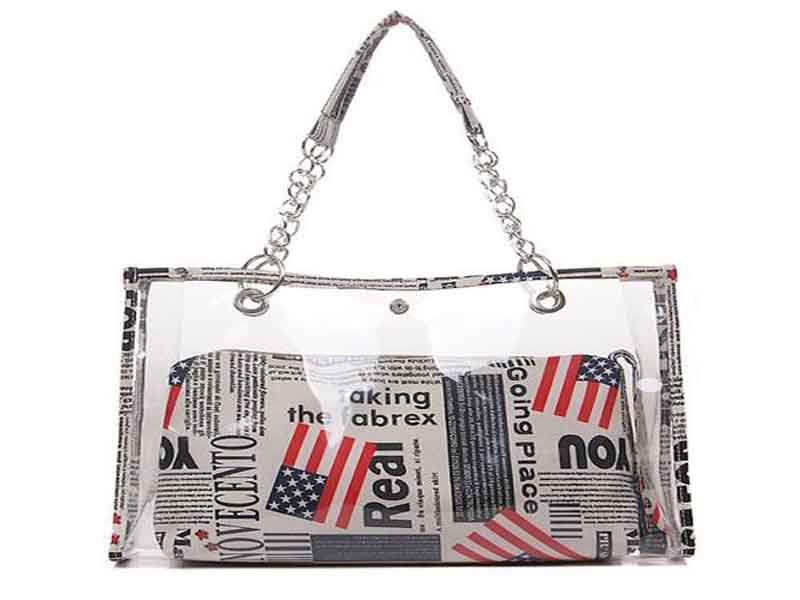
Waterproof transparent bags are most needed in markets where users want visibility and moisture protection at the same time. The strongest demand usually comes from beach and pool products, outdoor sports, travel accessories, cosmetics and beauty packaging, stadium and event bags, medical and hygiene storage, workplace safety programs, gym and swim products, family travel organizers, and promotional gift sets. Each market has a different version of the same basic problem: people want to find items quickly, keep them separated from water or spills, and carry them in a cleaner, more convenient way.
For brands, the market opportunity is not limited to one bag shape. A transparent waterproof pouch can be a cosmetic accessory, a toiletry organizer, a travel kit, a beach gift, a phone protection product, a stadium accessory, or a medical storage pouch. The product only becomes valuable when its material, structure, waterproof level, size, logo, and packaging match the intended user scenario. A beach tote should not be developed like a makeup pouch. A phone pouch should not be tested like a simple travel organizer. A medical clear pouch should not rely only on a fashion-style zipper. That market-specific thinking is what turns a generic clear bag into a sellable custom product.
Are They Good for Beach and Outdoor Use?
Waterproof transparent bags are very suitable for beach and outdoor use when the construction matches the level of water exposure. At the beach, users need bags that can handle sand, sunscreen, wet towels, swimsuits, water bottles, rain, poolside splashes, and messy packing after a long day outside. Clear bags add another benefit: users can quickly find sunglasses, keys, sunscreen, phone pouch, hotel card, or wallet without digging through a dark fabric bag.
For beach use, clear totes, clear wet pouches, transparent dry bags, waterproof phone pouches, and swimwear bags are all popular. A clear tote is great for general carrying, but if it has an open top, it should be marketed as water-resistant or easy to clean rather than fully waterproof. A roll-top transparent dry bag is better for stronger outdoor water protection. A small waterproof phone pouch is useful near pools, boats, water parks, paddleboards, and beach resorts.
| Beach or Outdoor Use | Best Bag Type | Water Protection Need | Key Design Focus |
|---|---|---|---|
| Poolside essentials | Clear zipper pouch | Splash resistance | Smooth zipper, wipe-clean film |
| Beach towel and sunscreen | Clear tote | Water-resistant carry | Strong handles, reinforced bottom |
| Phone near water | Waterproof phone pouch | Strong sealing | Press-lock closure, sealed edges |
| Kayaking or boating | Transparent dry bag | High water protection | Welded seams, roll-top closure |
| Wet swimwear | Clear wet pouch | Leak control | Sealed or reinforced seams |
| Camping small items | Transparent gear pouch | Rain and dirt protection | Durable film, secure closure |
The biggest mistake in beach product development is overclaiming. A clear tote may be perfect for wet towels and sand, but it is not a waterproof dry bag if water can enter through the top. A zipper pouch may contain small leaks, but it is not necessarily safe for full submersion. Customers use beach products in wet, messy, casual ways, so product claims must be clear and honest.
For brands selling beach and outdoor products, waterproof transparent bags can be developed as a product set. A larger clear tote can carry towels and bottles. A smaller pouch can hold cosmetics and keys. A phone pouch can protect electronics. A transparent dry bag can serve outdoor sports users. This bundle strategy increases product value because users often need more than one bag near water.
Do Stadiums and Events Use Them?
Stadiums and events use transparent bags mainly for visibility and security checks, while waterproof or water-resistant features add extra value for rain, spilled drinks, outdoor concerts, festivals, and crowded venues. Event clear bags are usually designed around transparency, size control, comfort, and branding. Waterproof protection is often secondary, but it still matters because users may stand in rain, sit on wet seats, walk through muddy festival grounds, or carry drinks near the bag.
For stadium and concert markets, clear totes, clear crossbody bags, clear pouches, and clear fanny packs are most common. These products are often water-resistant rather than fully waterproof. A clear event tote with standard stitching and zipper may protect against light rain and spills, but it should not be marketed as a dry bag. For outdoor festivals, stronger material, zipper closure, splash-resistant seams, and adjustable straps can improve user experience.
| Event Market | Best Bag Type | Water Feature | Brand Opportunity |
|---|---|---|---|
| Stadium games | Clear tote | Rain-friendly, wipe-clean | Team logo, trim color |
| Outdoor concerts | Clear crossbody | Splash-resistant | Printed strap, small logo |
| Music festivals | Clear fanny pack or pouch | Mud and splash resistance | Bright trim, hands-free design |
| School events | Clear tote or backpack | Easy-clean surface | School logo, color coding |
| Corporate events | Clear pouch or tote | Basic water resistance | Sponsor logo, gift packaging |
| Venue staff | Clear utility bag | Durable wipe-clean body | Staff label and department color |
Waterproof transparent bags are also useful as merchandise. A concertgoer may buy a clear crossbody because the venue requires transparent bags, but they will keep using it if it survives rain, spills, and travel. This means event bags should not be treated as disposable unless the program is clearly a low-cost giveaway.
For custom production, the safest event strategy is to separate “security clear bag” and “waterproof dry bag” claims. If the product is primarily for venue entry, focus on visibility, size, comfort, and light water resistance. If the product is for outdoor water sports, use dry bag construction and test accordingly.
Can Cosmetic Brands Use Clear Bags?
Cosmetic brands can use waterproof transparent bags very effectively because beauty products are visual, liquid-based, travel-friendly, and often sold in sets. Clear pouches let customers see product colors and packaging inside, while water-resistant construction helps contain makeup spills, skincare leaks, wet brushes, and bathroom moisture. A transparent cosmetic pouch can work as gift packaging, retail accessory, travel kit, influencer PR packaging, or private label beauty organizer.
For beauty and skincare brands, the appearance standard is usually higher than for outdoor or workplace bags. The clear material should look clean, not cloudy. The zipper should be smooth. The seams should be neat. Odor should be low. The logo should be tasteful. Packaging should protect the surface from scratches. A cheap-looking clear pouch can weaken the perceived value of the cosmetic products inside.
| Cosmetic Use | Best Bag Style | Design Priority | Custom Detail |
|---|---|---|---|
| Makeup pouch | Clear zipper pouch | Clarity and zipper smoothness | Small logo, colored zipper |
| Skincare travel kit | Gusseted toiletry pouch | Leak control and standing shape | High-clarity PVC or TPU |
| PR gift packaging | Premium clear pouch | Presentation | Hangtag, printed insert |
| Brush storage | Long clear pouch | Shape and easy cleaning | Reinforced zipper |
| Spa or hotel kit | Clear travel pouch | Hygiene and simplicity | White or neutral trim |
| Retail beauty set | Transparent bag set | Shelf appeal | Barcode, label, custom packaging |
Cosmetic clear bags do not always need full waterproof performance. Many need water-resistant, wipe-clean, or leak-control performance. A beauty pouch used in a bathroom should handle moisture and small spills. A toiletry bag should help separate liquids from clothing during travel. A fully waterproof claim is only needed if the product is specifically designed and tested for stronger water exposure.
Szoneier can support cosmetic brands with clear PVC, TPU, zipper selection, trim color, logo placement, pouch size, gift packaging, and private label details. Because transparent materials show every mark, sample review and packing protection are especially important for beauty-related projects.
Are Medical and Travel Uses Growing?
Medical and travel uses are strong growth areas for waterproof transparent bags because both markets value visibility, hygiene, organization, and moisture control. In travel, users need pouches for toiletries, cosmetics, medicine, electronics, wet swimwear, baby items, and family packing. In medical and healthcare settings, clear pouches help organize supplies, make contents visible, and support wipe-clean handling.
Travel demand is driven by convenience. A transparent pouch saves time because users can see what is inside. A water-resistant pouch protects luggage from shampoo leaks. A pouch set can separate skincare, medicine, cables, makeup, and wet items. For families, different sizes and trim colors make packing easier.
Medical and hygiene uses require more careful planning. Buyers may need smooth surfaces, low-odor material, simple seams, labeling, easy-clean design, and sometimes material documentation. A medical pouch may not need fashion trims, but it must look clean and be easy to inspect.
| Market | Main User Need | Best Product Direction |
|---|---|---|
| Travel accessories | Organization and leak separation | Clear pouch sets, toiletry bags |
| Family travel | Multi-user sorting | Different sizes and trim colors |
| Hotels and resorts | Guest amenities | Clear toiletry or spa pouches |
| Airlines and airports | Visibility and compact packing | Flat transparent pouches |
| Healthcare | Supply visibility | Smooth clear pouches |
| Medical kits | Item organization | Labeled transparent pouches |
| Gym and swim | Wet/dry separation | Water-resistant wet pouches |
| Baby-care travel | Liquid and item separation | Clear zipper organizers |
The travel and medical markets also reward repeatable specifications. Once a brand finds a pouch size, material thickness, and packaging format that works, it can reorder the same product with seasonal colors, new logos, or updated inserts. This makes private label customization valuable.
Market selection should come before product design. Many brands make the mistake of developing one transparent waterproof bag and then trying to sell it to every market. That rarely works well because each market has different expectations.
| Market | What Customers Care About Most | Product Claim to Use Carefully | Best Custom Focus |
|---|---|---|---|
| Beach | Splash, sand, wet towels | Fully waterproof | Strong handles, wipe-clean body |
| Outdoor sports | Real water exposure | Waterproof or submersible | Welded seams, roll-top, testing |
| Stadium events | Visibility and entry rules | Waterproof | Clear body, size, light water resistance |
| Cosmetics | Clarity and beauty presentation | Waterproof | Premium film, smooth zipper, packaging |
| Travel | Leak separation and organization | Leak-proof | Pouch size, gusset, zipper quality |
| Medical | Hygiene and visibility | Medical-grade | Smooth surface, labeling, documentation |
| Workplace | Inspection and durability | Compliance | Clear body, strong seams, logo control |
A good product line can also target multiple adjacent markets without forcing one product to do everything. For example, a clear toiletry pouch can serve travel and cosmetics. A transparent phone pouch can serve beach and outdoor users. A clear event tote can serve stadiums and festivals. A transparent dry bag can serve outdoor sports and resort retail.
| Product Line Strategy | Core Product | Add-On Product | Why It Works |
|---|---|---|---|
| Beach collection | Clear tote | Phone pouch and wet pouch | Covers full beach-day use |
| Travel collection | Toiletry pouch | Cable pouch and medicine pouch | Builds organizer set value |
| Beauty collection | Makeup pouch | Brush pouch and gift pouch | Improves retail presentation |
| Outdoor collection | Transparent dry bag | Small gear pouch | Targets real water exposure |
| Event collection | Clear stadium tote | Crossbody and pouch | Combines security and rain use |
| Medical/work kit | Clear pouch | Labeled clear organizer | Supports visibility and sorting |
For Szoneier, these markets are especially suitable because the company can adjust transparent material, Oxford trim, polyester or nylon straps, zipper type, logo method, packaging, and production details for each use case. A buyer can start with one product and later expand into a full waterproof transparent bag series.
How to Source Custom Waterproof Clear Bags?
To source custom waterproof clear bags successfully, buyers should first define the product’s real use: splash resistance, travel leak control, beach carry, cosmetic packaging, phone protection, outdoor dry storage, medical organization, stadium use, or retail gift packaging. Once the use case is clear, the buyer should prepare size, material preference, thickness, closure type, seam method, logo artwork, order quantity, packaging needs, claim language, and document requirements. A reliable manufacturer can then recommend the right material and construction before sampling.
The best sourcing process is not “find the cheapest clear bag.” It is “match product performance to customer expectation.” Waterproof transparent bags are easy to overpromise and underbuild. The supplier should understand clear PVC, TPU, EVA, welding, sewing, zippers, roll-top closures, print adhesion, packaging protection, and quality testing. A good factory helps buyers avoid risky claims, weak seams, poor clarity, strong odor, scratched surfaces, and wrong material choices.
What Should Buyers Prepare First?
Buyers should prepare a product brief that explains what the bag should protect, how much water exposure it will face, what items it will carry, what market it will sell into, and how the brand wants it packaged. A clear brief saves time because waterproof transparent bags have many possible structures. Without a use case, the factory cannot accurately recommend material, thickness, closure, seam method, or price level.
A strong brief should include reference photos, target size, bag type, material preference, waterproof level, logo file, trim color, quantity, packaging style, destination market, and expected delivery timeline. If the buyer does not know the exact material, Szoneier can help suggest options based on the product scenario.
| Information to Prepare | Example | Why It Matters |
|---|---|---|
| Product type | Pouch, tote, dry bag, phone pouch | Determines structure |
| Use scenario | Travel, beach, cosmetics, outdoor | Defines waterproof level |
| Water exposure | Splash, rain, leak control, submersion | Guides closure and seam method |
| Finished size | 8 x 5 x 3 inches, 10L, custom cm size | Controls capacity and cost |
| Material preference | PVC, TPU, EVA | Affects clarity, flexibility, price |
| Thickness target | 0.30 mm, 0.45 mm, 0.60 mm | Affects durability and feel |
| Closure | Zipper, press-lock, roll-top | Affects water protection |
| Logo file | AI, EPS, SVG, PDF | Supports accurate branding |
| Trim color | Black, white, custom Pantone | Supports brand identity |
| Quantity | 500, 1,000, 5,000 pcs | Affects quotation and production plan |
| Packaging | Polybag, hangtag, box, insert | Supports retail and instructions |
| Documents | Test report, material info, inspection report | Supports market needs |
For waterproof products, the buyer should also prepare claim language early. Will the product be sold as water-resistant, splash-resistant, leak-resistant, waterproof, or dry-bag-level? The factory can help match construction to the claim, but the claim must be realistic.
How Long Does Sampling Take?
Sampling time depends on product complexity, material availability, waterproof structure, closure type, logo process, packaging, and revision rounds. A simple clear cosmetic pouch with standard PVC and zipper can usually be sampled faster than a transparent dry bag with welded seams and roll-top closure. A phone pouch requiring sealing tests may need more careful sample review. Custom printed straps, special TPU film, unique tint colors, retail packaging, or multi-size sets can add time.
Sampling should not only check appearance. It should check whether the bag performs as expected. For waterproof transparent bags, the sample should be reviewed for clarity, odor, seam quality, closure function, zipper smoothness, logo adhesion, packing protection, and water resistance based on the intended claim.
| Product Type | Sampling Complexity | Main Time Driver |
|---|---|---|
| Clear cosmetic pouch | Low | Material, zipper, logo |
| Travel toiletry bag | Low to medium | Gusset, zipper, seam quality |
| Clear beach tote | Medium | Handle strength, size, trim |
| Waterproof phone pouch | Medium to high | Sealing and closure test |
| Transparent dry bag | Medium to high | Welding and roll-top structure |
| Clear pouch set | Medium | Multiple sizes and packaging |
| Premium TPU bag | Medium to high | Material sourcing and process control |
| Private label retail kit | High | Packaging, labels, barcode, inserts |
Szoneier supports fast sampling and free design assistance, which is useful for seasonal products such as summer beach bags, travel sets, festival merchandise, and retail gift programs. Buyers can speed up sampling by preparing logo files, target sizes, packaging needs, and water-performance expectations before inquiry.
What MOQ Is Common?
MOQ for waterproof transparent bags depends on bag type, material, thickness, closure, seam method, logo process, trim color, hardware, packaging, and production complexity. Standard clear pouches with simple logo customization can usually support lower MOQ than custom TPU dry bags, custom color transparent film, printed straps, special waterproof zippers, or retail box packaging. Szoneier supports low MOQ customization, which is helpful for new product testing, small brand launches, event programs, and private label trials.
MOQ is linked to material roll purchase, cutting efficiency, sealing setup, printing setup, labor arrangement, packaging purchase, and quality inspection. A simple PVC pouch may be easier to produce in smaller batches. A welded roll-top dry bag may require more setup and process control.
| Custom Level | MOQ Pressure | Best Use |
|---|---|---|
| Standard PVC pouch with logo | Lower | Travel, cosmetics, gifts |
| Standard clear tote | Lower to medium | Beach, stadium, events |
| Custom size pouch | Medium | Private label travel sets |
| TPU material | Medium to high | Premium products |
| Welded dry bag | Medium to high | Outdoor and beach products |
| Custom waterproof zipper | Higher | Premium waterproof pouches |
| Custom printed strap | Medium to high | Branded totes and crossbody bags |
| Retail packaging | Medium | Beauty, travel, gift sets |
| Multi-SKU collection | Higher | Established brands and distributors |
A smart launch plan is to start with one core style, then expand based on feedback. A beauty brand can begin with one clear cosmetic pouch, then add a toiletry bag and brush pouch. A beach brand can begin with a clear tote, then add a phone pouch and transparent dry bag. A travel brand can begin with a three-size pouch set, then add premium TPU versions.
Why Work With Szoneier?
Szoneier is a China-based factory with more than 18 years of experience in fabric R&D, finished product manufacturing, and custom product development. The company can customize products using cotton fabric, canvas fabric, polyester fabric, nylon fabric, neoprene fabric, jute fabric, linen fabric, Oxford fabric, and other material systems. For waterproof transparent bags, Szoneier can combine clear PVC, TPU, EVA, vinyl, webbing, Oxford trim, nylon straps, polyester binding, zippers, labels, printing, packaging, and quality inspection into a complete product solution.
Szoneier supports custom, private label, OEM, and ODM projects for overseas small and medium buyers as well as high-end brand clients. The company offers 100% quality assurance, free design support, low MOQ customization, fast sampling, free sample options, and short delivery planning. For waterproof clear bag programs, this means buyers can develop the right construction for travel, beach, cosmetics, outdoor, stadium, medical, workplace, and retail markets.
| Szoneier Capability | Value for Waterproof Transparent Bags |
|---|---|
| 18+ years manufacturing experience | Better control from sample to bulk |
| Fabric and material R&D | Strong support for clear film, trim, webbing, and finishing |
| OEM and ODM customization | Supports existing designs and new product concepts |
| Free design support | Helps refine size, structure, logo, and closure |
| Low MOQ customization | Reduces launch risk |
| Fast sampling | Supports seasonal and event-driven products |
| Free sample options | Helps verify quality before order |
| Private label support | Logo, labels, packaging, carton marks |
| Quality assurance | Supports bulk consistency |
| Short delivery planning | Helps meet retail and launch timelines |
Szoneier can also help buyers avoid common waterproof transparent bag mistakes, such as using a standard zipper for a strong waterproof claim, selecting material that is too thin, placing a large logo over the clear area, using weak handles on a beach tote, choosing dark tint when visibility matters, or skipping packaging protection for clear surfaces.
Sourcing waterproof transparent bags should start with performance truth. A product can be beautiful and still fail if the waterproof claim is wrong. A bag can be cheap and still become expensive if returns are high. A sample can look fine in photos and still leak, smell, crack, or scratch during real use. A professional sourcing process looks at the full system.
| Sourcing Mistake | What Can Go Wrong | Better Approach |
|---|---|---|
| Asking only for “waterproof clear bag” | Factory may quote wrong structure | Define water exposure first |
| Choosing only by price | Weak material or poor sealing | Compare construction and testing |
| Using standard zipper for waterproof claim | Water enters through zipper | Use accurate claim or upgraded closure |
| No sample water test | Leaks appear after launch | Test sample before bulk |
| Oversized logo | Reduces visibility and premium look | Use small logo or strap branding |
| Weak handles on clear tote | Bag tears with wet items | Reinforce handles and bottom |
| Poor packing | Scratched clear panels | Use protective packaging |
| No document planning | Retail or import delays | Clarify documents early |
A strong sourcing process should move through product brief, material recommendation, quotation, sample development, water-performance review, sample revision, final approval, bulk production, quality inspection, packaging, and shipment. Each step protects the buyer from a different risk.
| Sourcing Stage | Buyer Action | Szoneier Support |
|---|---|---|
| Use case review | Define travel, beach, cosmetics, outdoor, or event use | Recommend product direction |
| Specification | Share size, material, logo, quantity | Suggest thickness, closure, seam method |
| Quotation | Compare quality levels | Provide cost and lead time options |
| Sampling | Review physical sample | Make sample and adjust details |
| Performance test | Check water resistance, zipper, seam, odor | Improve weak points |
| Final approval | Confirm product standard | Lock bulk specification |
| Production | Place order | Material sourcing, cutting, sewing, welding, printing |
| Inspection | Confirm quality expectations | Check appearance, size, function, packing |
| Packaging | Confirm labels, inserts, cartons | Protect clear surfaces and support retail |
| Shipment | Arrange delivery | Support export coordination |
If your brand is planning custom waterproof transparent bags for travel, cosmetics, beach, pool, outdoor sports, stadium events, medical storage, workplace use, promotional gifts, or private label retail, Szoneier can help turn your idea into a production-ready product. You can customize clear pouches, waterproof toiletry bags, transparent dry bags, clear beach totes, phone pouches, wet/dry bags, cosmetic pouches, and retail-ready clear bag sets with your own size, material, thickness, closure, trim color, logo, packaging, and performance requirements.
Send Szoneier your reference design, target use, water exposure requirement, finished size, logo file, estimated quantity, material preference, packaging needs, and delivery timeline. The team can review your project, recommend suitable clear materials and construction, prepare samples, and support custom production with quality assurance, low MOQ options, fast sampling, free design support, and short lead time.